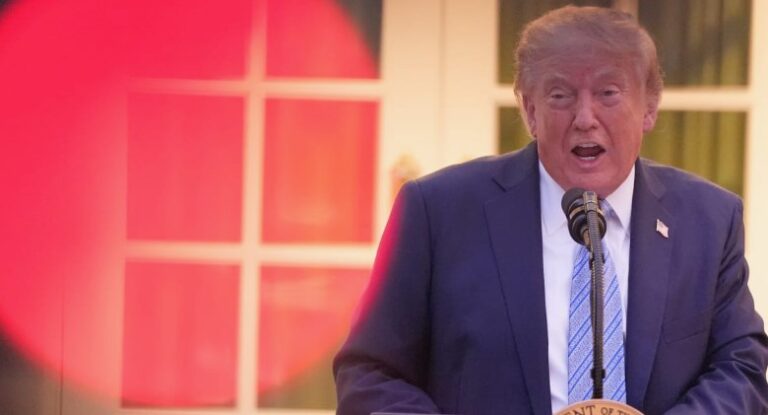
Trump threatens to ‘blow the entire nation’ in Iran – Tensions between the United States and Iran have reached another dangerous point after President Donald Trump said he was considering whether to take extreme military action against Iran if Tehran does not meet U.S. demands. In comments reported on September 20, Trump said he was in a “deciding mode” and described several possible paths forward, including reaching a deal, continuing economic pressure, or military action against the country. He also questioned when, or whether, he should “blow the entire nation up,” adding that Iran “better behave.” Trump threatens to ‘blow the entire nation’ in Iran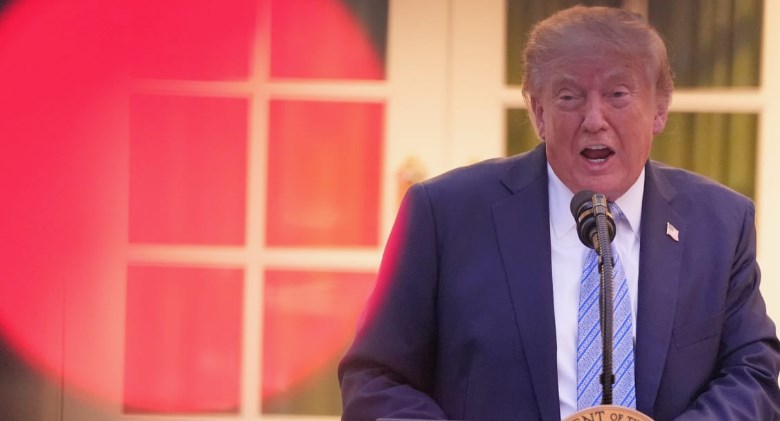
The remarks immediately drew attention because they came at a sensitive moment in the conflict. The United States and Iran remain involved in a prolonged confrontation, while diplomatic efforts have continued through intermediaries. Iranian officials have communicated conditions for ending the war, including an end to fighting, the release of frozen Iranian funds, and the lifting of a U.S. naval blockade. At the same time, Iranian military officials have warned that renewed American attacks could result in retaliation against U.S. forces and interests in the region.
Trump Says He Is Considering Three Possible Paths
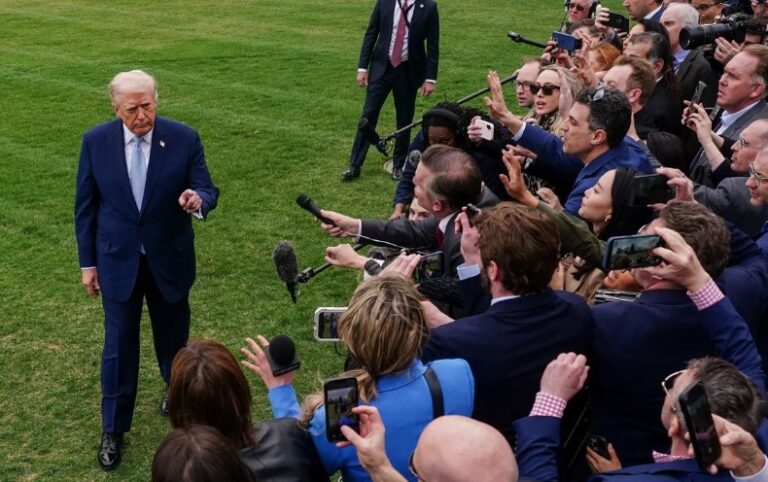
Trump’s latest comments suggest that the White House is weighing several very different approaches to the confrontation. According to Fox News correspondent Trey Yingst, who spoke with Trump by phone, the president described the choices as “wiping Iran out,” allowing the Iranian economy to deteriorate, or reaching a negotiated agreement. Trump also said that “very big things” could happen in the near future, although he did not publicly specify what action he might take or when.
The language used by the president is considerably more severe than the normal vocabulary associated with diplomatic negotiations. His reference to destroying the entire country has therefore become the central focus of international reporting. At the same time, the comments do not establish that the United States has decided to carry out such an action. Trump characterized himself as still weighing his options, meaning that the statement describes a threat or possibility rather than a confirmed military order.
That distinction matters as the situation develops. Governments and markets often react strongly to statements from U.S. leaders when military escalation is possible, but presidential rhetoric does not necessarily reveal the final decision of an administration. Any change in U.S. military policy would involve additional decisions by the administration and the military, while diplomatic channels remain active.
Iran Responds With Its Own Warning
Iran has responded to the latest American statements by warning that a new U.S. attack could trigger retaliation. Iranian military authorities said American allies and regional interests could also face consequences if Washington resumes major military operations. Iranian officials have continued to insist that Tehran has conditions that must be addressed before a broader settlement can be reached. Trump threatens to ‘blow the entire nation’ in Iran
One of the most important issues is the Strait of Hormuz, a crucial waterway for international energy shipments. The confrontation surrounding the strait has added an economic dimension to the military crisis. Any prolonged disruption could affect oil supplies, shipping costs, and energy prices well beyond the Middle East.
Iran has reportedly communicated its conditions through mediators, including Qatar. Iranian officials have said that an end to the war, the release of frozen funds and the lifting of the naval blockade are among the requirements for ending the confrontation. Tehran has also indicated that it remains prepared for further military conflict if negotiations fail.
Why Trump’s Statement Matters
The significance of Trump’s statement goes beyond the specific words he used. The United States and Iran are already engaged in a conflict that has produced casualties, military strikes and wider regional instability. A decision to intensify the fighting could therefore affect not only Washington and Tehran but also countries hosting U.S. military facilities and states connected to the broader regional conflict.
Iran’s geographical position also makes the situation especially complicated. The country sits close to several major U.S. partners and important energy routes. Iranian-aligned groups have previously been involved in attacks across the region, while the United States maintains military forces in several Middle Eastern countries.
Recent developments have also included attacks involving Iran-backed Houthi forces and Saudi Arabia. Reports indicate that Saudi targets have been attacked while regional governments have been preparing for the possibility of further escalation. These developments show how quickly a confrontation between Washington and Tehran can extend beyond the two countries themselves.
Diplomacy Has Not Disappeared
Despite the increasingly threatening language, diplomacy has not completely disappeared. Trump has indicated that he could be open to meeting Iranian President Masoud Pezeshkian, who is expected to attend the United Nations General Assembly in New York. The possibility of the two leaders being in the same city creates another potential channel for discussions, although there is no guarantee that a meeting will take place or produce an agreement.
Iran has also continued communicating through intermediaries. Qatar and other countries have played roles in transmitting messages between Washington and Tehran. Such indirect diplomacy can be particularly important when the two governments have limited direct communication or when public statements make formal negotiations more difficult. Trump threatens to ‘blow the entire nation’ in Iran
The United Nations gathering could consequently become an important diplomatic setting. Both Trump and Pezeshkian are expected to be in New York, bringing international attention to their respective positions. Any meeting, public statement or diplomatic initiative during the gathering could influence the direction of the crisis.
What Happens Next?
For now, the most important unanswered question is whether Trump’s latest warning will remain political rhetoric or become part of a new military strategy. His statement that he is still in “deciding mode” leaves several possibilities open, including continued economic pressure, renewed military operations or another attempt at negotiation.
Iran faces its own difficult choices. Its leaders have signaled that they are willing to negotiate under certain conditions but have also warned of retaliation if the United States launches another major attack. That combination of diplomatic demands and military warnings creates a narrow space for negotiations.
The coming days could therefore be critical. With the United Nations General Assembly approaching and both American and Iranian leaders expected to participate, there may be opportunities for diplomacy even as military tensions remain high. Trump threatens to ‘blow the entire nation’ in Iran
For ordinary people in the region, however, the consequences are much more immediate than presidential statements or diplomatic meetings. Further escalation could mean additional casualties, displacement, economic disruption and uncertainty. For people outside the region, the effects could appear through energy prices, shipping costs and broader geopolitical instability.
Trump’s “blow the entire nation up” comment has become the latest symbol of how sharply the U.S.-Iran confrontation has escalated. But the statement itself does not answer the central question of what Washington will ultimately do. The next steps—whether military, economic or diplomatic—will determine whether the current crisis moves toward another phase of fighting or creates an opportunity for negotiations.
About the Author