Judge temporarily blocks Trump ban on CNN, MS NOW, Politico
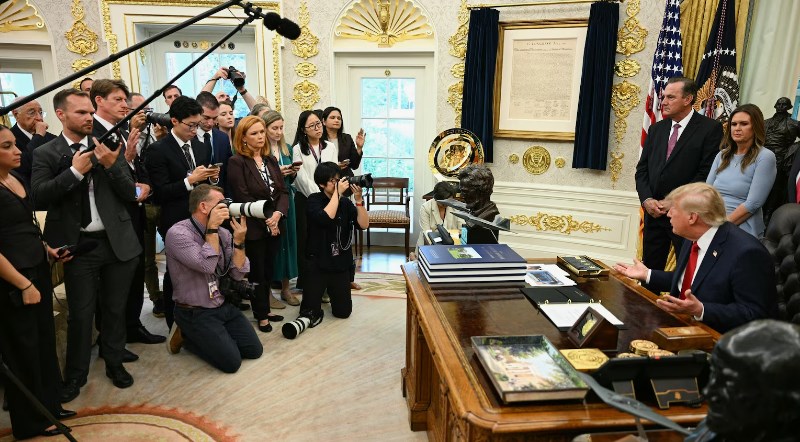
Judge temporarily blocks Trump ban on CNN, MS NOW, Politico – A federal judge has temporarily blocked the Trump administration from enforcing its ban on CNN, MS NOW and Politico reporters at the White House, creating a significant legal test over press access, due process and the relationship between the presidency and the news media.
U.S. District Judge Timothy Kelly ordered the administration to immediately restore the outlets’ White House press credentials. His temporary restraining order will remain in effect for 14 days while the broader lawsuit continues. Kelly said the three news organizations had met the legal threshold for temporary relief and were likely to succeed in arguing that their press passes were revoked without adequate due process.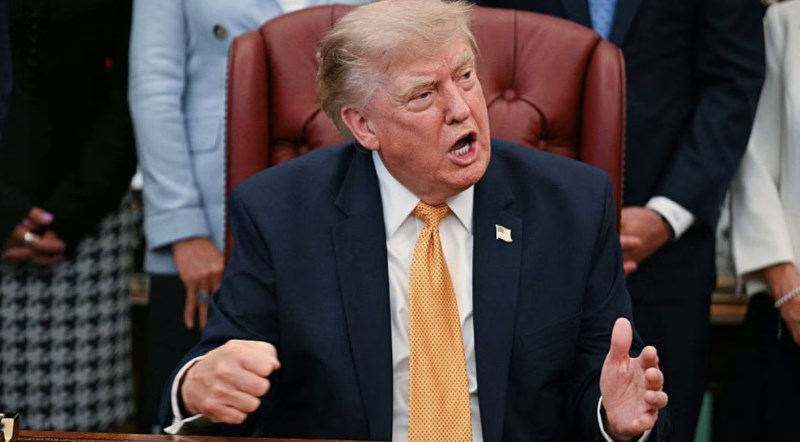
The ruling does not resolve the entire dispute. Instead, it temporarily restores access while the court considers the constitutional questions raised by the news organizations. Those questions include whether the administration violated the First Amendment and whether reporters were entitled to notice and an opportunity to challenge the decision before their credentials were taken away.
How the White House Ban Began
The dispute began on September 18, when President Donald Trump announced that CNN, MS NOW and Politico would no longer have access to the White House. Trump accused the organizations of producing what he described as false and excessively negative coverage. The administration subsequently deactivated or revoked press credentials held by reporters from the three outlets.
The decision quickly became a larger confrontation between the administration and news organizations covering the president. CNN, MS NOW and Politico argued that the government was punishing them because of the content of their journalism. They filed a joint lawsuit seeking immediate relief, saying the restrictions violated constitutional protections for freedom of the press and deprived them of due process.
The administration presented a different argument. Justice Department lawyers maintained that access to restricted areas of the White House is a privilege rather than an unconditional right. They argued that the president and administration have authority to determine which journalists can enter certain areas, particularly when security or operational concerns are involved.
White House officials also cited concerns about reporting they said involved national security information, sensitive material or inaccurate claims. Letters sent to the three organizations referenced several stories involving subjects including the war with Iran, security arrangements and planned construction at the White House. The administration argued that such reporting justified restrictions on access.
Why Judge Timothy Kelly Intervened
The central issue in Kelly’s ruling was not simply whether the White House has authority to control access. Instead, the judge focused heavily on how the administration removed the journalists’ credentials. During a hearing on September 23, Kelly questioned whether the journalists had received the kind of notice and opportunity to respond required under existing legal precedent. Earlier cases involving White House press access have established due-process protections when journalists’ credentials are revoked.
The judge ultimately concluded that the outlets were likely to demonstrate that those protections had not been followed. According to the ruling, the government did not provide sufficient factual support for its claim that removing the reporters’ hard passes was necessary to protect national security. Reuters reported that Kelly also pointed to Trump’s own public statements about the outlets’ reporting when assessing the government’s explanation for the ban.
Kelly also questioned whether the administration had established clear standards that journalists could understand before their access was revoked. AP reported that he described the White House’s stated standard concerning objectionable reporting as too vague to provide an adequate basis for the credential removals. That distinction is important. The judge was not issuing a final ruling on every constitutional claim raised by CNN, MS NOW and Politico. Rather, he determined that the plaintiffs had met the demanding standard for temporary court intervention while the case proceeds.
The First Amendment Question
The case has naturally drawn attention to the First Amendment because the dispute involves government access and the work of journalists covering the president. CNN, MS NOW and Politico argue that the ban amounted to retaliation for protected reporting. Their lawsuit says government officials cannot remove journalists from the White House simply because they dislike the journalists’ coverage or viewpoints.
The administration disputes that characterization. Its lawyers have emphasized the government’s authority over access to the White House complex and pointed to security and professional-conduct concerns. That disagreement is likely to remain central as the lawsuit develops. The court will have to consider how constitutional press protections interact with the government’s authority to manage access to restricted government facilities.
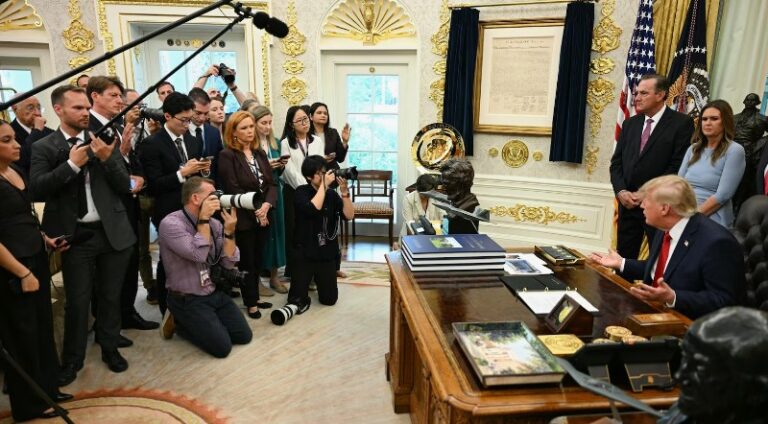
The case also highlights the practical importance of White House press credentials. Reporters with regular access can attend briefings, speak with officials, observe presidential events and report directly from the complex. Losing that access can therefore affect not only individual reporters but also the ability of news organizations to cover the administration firsthand.
A Broader Fight Over Presidential Press Access
The controversy has attracted attention from other media organizations as well. The White House Correspondents’ Association and dozens of news organizations filed a brief supporting the challenge, arguing that allowing the ban to stand could establish a broader precedent for restricting journalists based on their coverage.
The situation also affected the television press pool. CNN participates in a rotating system that supplies video and audio from events where physical space is limited. When CNN was scheduled for pool responsibilities after the ban, other networks declined to simply replace its coverage, highlighting how restrictions on one organization can affect the wider news-gathering system.
That practical dimension gives the legal dispute significance beyond the three organizations named in the lawsuit. The outcome could influence how future administrations handle press credentials and what procedures they must follow when attempting to remove journalists from presidential facilities.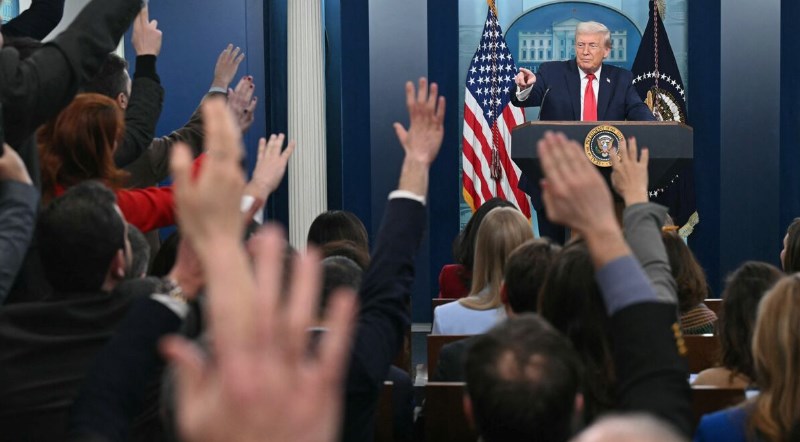
At the same time, the temporary order should not be mistaken for a final victory for either side. The judge has not conclusively determined every First Amendment question raised by the lawsuit. The order simply requires the administration to restore access while the litigation moves forward.
What Happens Next
For now, CNN, MS NOW and Politico reporters are entitled to have their White House access restored under Kelly’s order. The temporary restraining order lasts 14 days unless the court changes or extends it. The administration could continue defending its position as the case proceeds, while the news organizations are expected to press their constitutional arguments. The court may eventually have to examine in greater detail the reasons given for the ban, the procedures used to revoke the credentials and whether the restrictions were connected to protected journalistic activity.
The dispute therefore remains unresolved despite the immediate restoration of access. What makes the case particularly consequential is the collision of two competing principles: the government’s authority to control access to secure presidential facilities and the constitutional protections surrounding independent journalism. Judge Kelly’s temporary order places the emphasis, at least for now, on procedural safeguards and the need for the government to follow established legal requirements before removing journalists’ access.
For the Trump administration, the ruling means the ban announced last week cannot currently be enforced against CNN, MS NOW and Politico. For the three news organizations, it provides temporary access as their larger constitutional challenge moves through the courts.
The next stages of the lawsuit will determine whether that temporary restoration becomes part of a longer-term legal ruling or whether the administration eventually persuades the court that its restrictions were lawful. For now, the case remains an important and closely watched dispute over how far presidential authority extends when it intersects with the press and the public’s access to information about government.
About the Author