Congressional candidate Brad Lander detained by Israeli forces in West Bank – Every autumn, across the rolling hills of the West Bank, the olive harvest brings families, farmers, and international volunteers together. It is a tradition rooted in generations of agricultural stewardship, community bonding, and quiet resilience. But in a region shaped by long-standing conflict and geopolitical tension, even the simple act of gathering olives can quickly become a flashpoint.
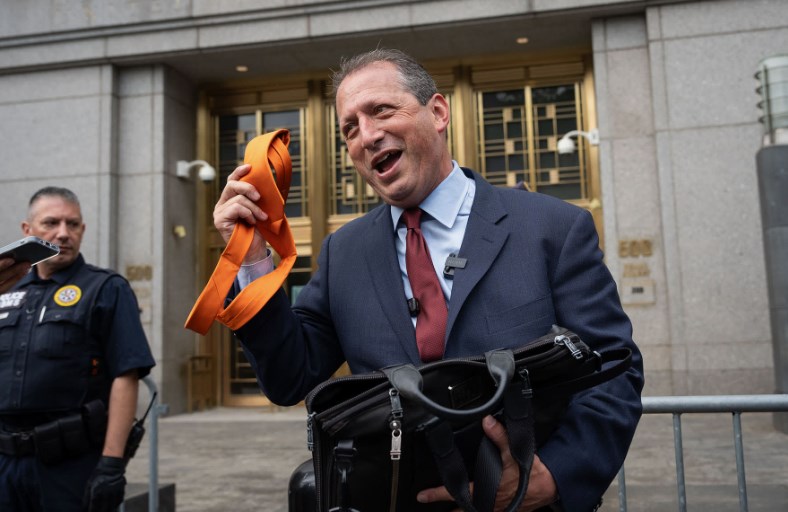
That reality hit home dramatically when Brad Lander—a prominent U.S. progressive political figure and candidate for the United States Congress—was briefly detained by Israeli military forces in an olive grove near Nahalin, a Palestinian village in the occupied West Bank.
Lander, who served as New York City Comptroller and is well known for his progressive Jewish activism, had traveled to the West Bank alongside a delegation of human rights advocates, rabbis, and international volunteers. Their mission was twofold: to provide a protective human presence for Palestinian farmers harvesting their crops and to bring visibility to the daily conditions faced by civilians under military rule. What began as a quiet day in the groves ended on a security bus headed for a police station, sending ripple effects through the U.S. political landscape and drawing renewed attention to the contested territories.
The Olive Harvest as a Frontline
To understand why a Congressional candidate found himself in military custody, one must understand the significance of the West Bank olive harvest. For Palestinian communities, olives are far more than a staple commodity—they are an anchor of economic livelihood and cultural identity. However, harvesting near Israeli settlements or military outposts routinely carries risks. Farmers frequently face bureaucratic access restrictions, friction with local settlers, or sudden military orders declaring agricultural land as “closed military zones”.
To mitigate these risks, civil society organizations, including groups like T’ruah and protect-the-harvest networks, coordinate international and Israeli volunteers to accompany farmers. The goal of this “protective presence” is simple: deter harassment, maintain calm, and ensure the harvest can be completed safely.
Lander joined one such effort. Speaking publicly before and during his trip, he described his identity as a liberal Zionist and an outspoken critic of Israeli government policy, arguing that standing up for Palestinian human rights aligns with core democratic and ethical values.
Inside the Encounter
According to Lander and witnesses on the ground, the morning began peacefully as volunteers worked alongside local farming families picking olives. However, Israeli military and police units arrived on the scene. Security personnel instructed the group to halt their activities, claiming the area was restricted. While Lander noted that everyone present complied immediately and without resistance, officers proceeded to detain dozens of individuals—including Lander, fellow American volunteers, Israeli activists, and local Palestinians.
Posting from a transport bus shortly after being taken into custody, Lander expressed his disbelief:
“I’ve been detained by the IDF, along with a group of rabbis and volunteers. We were simply harvesting olives in a grove near Nahalin in the West Bank. The occupation is a crime under international law. Harvesting olives isn’t a crime under any law I know.”
Lander was held for several hours for questioning before being released with a official warning. However, many of the fellow volunteers and local farmers detained alongside him remained in custody longer, prompting immediate calls from progressive leaders for their release. Congressional candidate Brad Lander detained by Israeli forces in West Bank
Political Waves Across the Atlantic
The incident immediately ignited fierce debate back home in the United States, illustrating the deep fault lines in American politics surrounding Middle East policy. For American progressive Democrats, the detention underscored the aggressive tactics often deployed by security forces in the West Bank. Prominent New York allies rallied to Lander’s defense, emphasizing that international solidarity should never be criminalized and demanding the immediate release of all remaining detainees. They framed the episode as a stark example of how routine civilian activities are disrupted by military enforcement. Congressional candidate Brad Lander detained by Israeli forces in West Bank
Conversely, Israeli diplomatic officials and conservative commentators viewed the visit through a very different lens. Official statements categorized the delegation’s presence as a calculated political stunt designed to generate media headlines and provoke confrontation in a sensitive border region. Israeli authorities maintained that security forces were enforcing lawful military boundaries intended to prevent friction between neighboring communities.
Humanizing a Global Conflict
Beyond the headlines and political soundbites, the incident highlights the deeply personal dimensions of international advocacy. Lander’s brief detention brings into sharp focus the complex reality lived by people on the ground every day—where simple, everyday work like gathering fruit from a tree is bound up in law, border control, and military jurisdiction.
Upon his release, Lander reiterated that his focus remained on the local farming communities rather than his own brief experience in custody. For him and the activists involved, the goal remains advocating for peace, human dignity, and an end to systemic violence in the region.
As political candidates in the U.S. navigate complex international debates, incidents like this serve as a powerful reminder: policy decisions made in Washington or Tel Aviv ultimately shape the daily lives of everyday people in small agricultural groves across the West Bank. Congressional candidate Brad Lander detained by Israeli forces in West Bank
About the Author