Trump approval rating falls to career low in new poll – President Donald Trump is facing another major political challenge after a new national poll showed his approval rating falling to the lowest level recorded during either of his presidential terms. With the November midterm elections approaching, the latest numbers suggest that growing frustration over the economy, rising gasoline prices, and the administration’s handling of major policy issues could create serious problems for Republicans hoping to maintain control of Congress. Trump approval rating falls to career low in new poll
A Reuters/Ipsos poll published on October 19, 2026, found that just 31% of Americans approved of Trump’s performance as president, marking a new low in the survey’s tracking. The figure represented a one-percentage-point decline from the previous poll conducted two weeks earlier. Meanwhile, 66% of respondents disapproved of his performance, highlighting the difficult political environment facing the White House.
The results arrive at a particularly sensitive moment for Trump and his party. Voters are preparing to choose their representatives in Congress on November 3, and the latest findings suggest Democrats may have an opportunity to make substantial gains. Although polling cannot predict election results with certainty, the numbers provide an important indication of how Americans are evaluating the president’s leadership.
Trump’s Approval Rating Reaches a New Low
Trump has experienced periods of declining public support throughout his political career, but the latest Reuters/Ipsos findings represent a particularly difficult moment. His 31% approval rating is the lowest recorded by the polling organization during either of his presidential terms.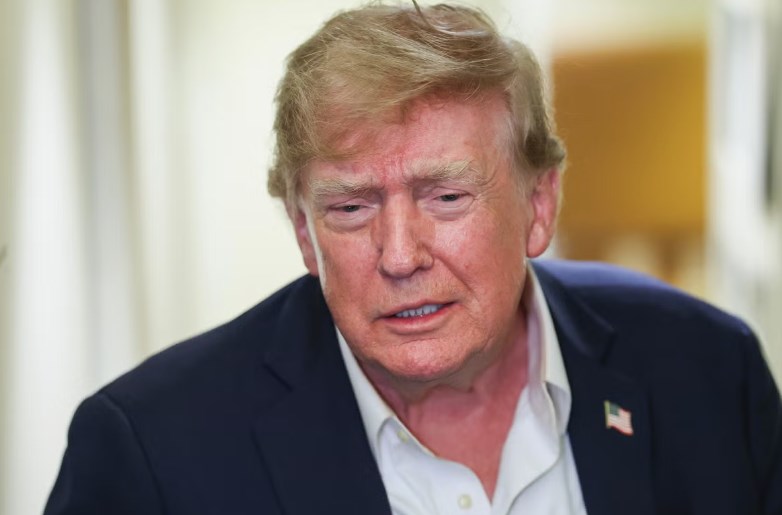
The decline is significant because approval ratings can influence how voters view an administration’s policies, leadership, and overall effectiveness. When a president’s popularity weakens, members of the president’s party may face greater difficulty persuading voters that they deserve another term in Congress. Candidates running in competitive districts can become especially vulnerable when national dissatisfaction begins affecting local campaigns.
The latest survey also suggests that Trump’s political difficulties extend beyond a small group of committed opponents. Disapproval reached 66%, indicating that dissatisfaction with his presidency is considerably more widespread than approval. Still, a national poll cannot explain every voter’s motivation, and opinions may differ substantially depending on political affiliation, geography, and personal circumstances. Trump approval rating falls to career low in new poll
Other recent surveys have also reported historically weak numbers for Trump, although their findings are not identical. A Washington Post-ABC News-Ipsos poll placed his approval rating at 33%, while an NBC News/SurveyMonkey survey reported 34%. Differences in polling methods, sample populations, and survey timing can produce different results, but several recent polls point toward a broader decline in public support.
Rising Prices Put Economic Promises Under Pressure
Economic concerns appear to be one of the most important factors contributing to Trump’s political difficulties. For many Americans, the cost of everyday necessities remains a central concern, particularly when it comes to gasoline, groceries, housing, and household bills.
Trump returned to the White House promising stronger economic performance and policies intended to benefit American workers and businesses. However, voters frequently judge an administration by whether they can actually feel improvements in their daily lives. Even when officials point to positive economic indicators, persistent financial pressure can make those achievements less convincing to households struggling to manage expenses.
The war with Iran has added another complication. According to Reuters, US military strikes on Iran in February contributed to a surge in gasoline prices, increasing the pressure on consumers already concerned about the cost of living. Fuel prices can affect more than motorists because transportation costs also influence the prices businesses pay to move products and deliver services.
For Republicans, this creates a difficult political situation. The party must persuade voters that its economic policies are working while many households remain concerned about affordability. If voters believe their financial circumstances have failed to improve, they may become less willing to support the president’s party, regardless of its other policy achievements.
Democrats Build a Significant Lead Ahead of November
The Reuters/Ipsos survey also delivered encouraging news for Democrats. When registered voters were asked which party they would support if congressional elections were held immediately, 47% chose Democrats, compared with 35% who selected Republicans. Trump approval rating falls to career low in new poll
That gives Democrats a 12-percentage-point advantage, the widest lead reported in the poll’s congressional preference measure during the current election cycle. The result suggests that dissatisfaction with Trump’s presidency could influence voting decisions beyond the presidential approval question itself.
Democrats have an opportunity to turn that dissatisfaction into a broader election message focused on household costs, government accountability, and the need for Congress to provide a check on the administration. However, a national preference survey does not automatically translate into seats. Congressional elections are decided through individual races, and local candidates, campaign organization, turnout, and district boundaries can all affect the final outcome.
The poll also found stronger Democratic support among women voters, with 50% favoring Democratic congressional candidates. That could matter in competitive districts where turnout among women and other groups helps determine the result.
Republicans, meanwhile, must find ways to motivate their supporters while convincing undecided voters that the party remains capable of addressing their economic concerns. Their challenge is particularly difficult because the president’s approval rating is now so low that his presence on the campaign trail could have mixed effects on candidates.
Growing Frustration With the Economy Raises Concerns
The latest approval figures are part of a wider pattern of dissatisfaction with Trump’s economic management. In the Reuters/Ipsos survey, 68% of Americans disapproved of his handling of the economy. The findings suggest that economic concerns are not simply a secondary issue for voters but a major source of frustration with the administration. Economic approval can be especially important because it affects how people assess government performance in practical terms. Voters may disagree over immigration, foreign policy, taxes, or social issues, but the price of filling a gas tank or buying groceries is difficult to ignore.
The survey also found that more registered voters trusted Democrats than Republicans to handle economic issues, with Democrats holding a 40% to 33% advantage. That is an important warning sign for the Republican Party, which traditionally seeks to persuade voters that it can deliver effective economic management. Nevertheless, these results should be interpreted carefully. Polling reflects public opinion at a particular moment, and economic conditions can change. A shift in fuel prices, a new policy announcement, or developments in the conflict with Iran could influence how voters evaluate the administration in the weeks ahead.
The challenge for Trump is to demonstrate that his policies can deliver tangible improvements before voters head to the polls. Reassurances from the White House may carry limited weight if households continue to experience financial pressure.
What the Poll Means for Trump’s Presidency
A low approval rating does not mean a president has lost the ability to govern, nor does it guarantee that the opposition will win an election. Trump retains a political base that strongly supports his leadership, and Republicans will continue campaigning on issues that appeal to their voters. However, the latest survey indicates that the president is entering the midterm election period under significant pressure. A 31% approval rating, widespread disapproval of his economic performance, and a substantial Democratic lead in the congressional preference question together present a serious challenge for the Republican Party.
If Democrats make significant gains in November, they could gain greater influence over congressional investigations, legislative priorities, spending decisions, and the future direction of Trump’s agenda. A change in congressional control would not automatically end his ability to implement policies, but it could make passing legislation more difficult and increase political scrutiny of his administration. For Republicans, the immediate priority is to persuade voters that their candidates can address concerns about affordability and provide effective leadership. For Democrats, the opportunity lies in convincing dissatisfied voters that changing congressional representation would produce meaningful results.
Ultimately, the latest poll offers a snapshot of an increasingly difficult political environment for Trump. His approval rating has reached a new low in Reuters/Ipsos tracking, while economic concerns are weighing heavily on public opinion. With Election Day approaching, the central question is whether the administration can rebuild confidence before voters make their decisions. The polling results do not settle the outcome, but they make one thing clear: Trump and his fellow Republicans face a difficult campaign in which the economy, gasoline prices, and public confidence could play decisive roles.
About the Author