Four European countries sign free trade agreement – In an important step toward strengthening international trade, Vietnam and four European countries have signed a free trade agreement aimed at creating new business opportunities and improving economic cooperation. The agreement was signed in Hanoi, Vietnam, on October 18, 2026, between Vietnam and the four members of the European Free Trade Association (EFTA): Switzerland, Norway, Iceland, and Liechtenstein.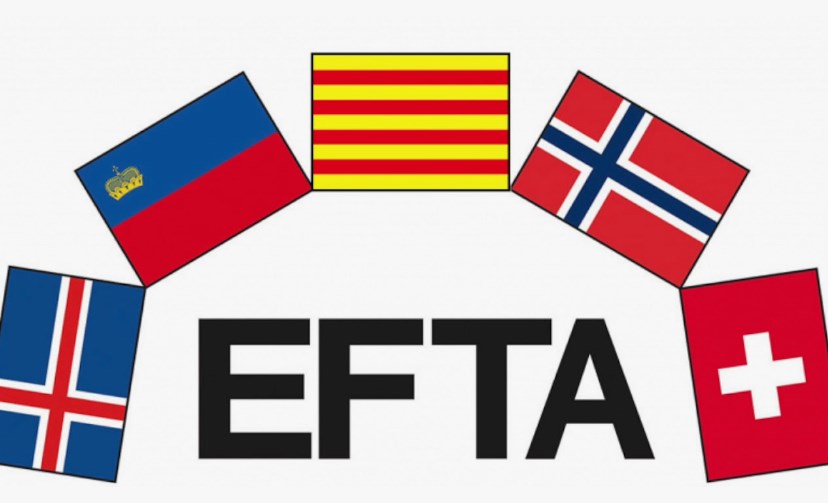
The agreement comes at a time when the global economy is facing uncertainty due to changing trade policies, higher tariffs, and growing competition between major economies. By working more closely together, Vietnam and the four European countries hope to expand their markets, attract investment, and reduce their dependence on a limited number of trading partners. For both sides, the deal represents more than a business arrangement. It reflects a shared effort to build stronger economic relationships and create more opportunities in an increasingly unpredictable global market.
What Is the Free Trade Agreement About?
A free trade agreement, commonly known as an FTA, is an arrangement between countries that reduces or removes certain barriers to trade. These barriers often include customs duties, which are taxes charged on goods imported from another country. When these costs are reduced, businesses can sell their products in foreign markets more easily. Consumers may also benefit from a wider range of products and, in some cases, more competitive prices.
Under the Vietnam-EFTA agreement, both sides aim to improve access to their markets by reducing or eliminating customs duties on various products. The agreement also covers services, investment, intellectual property rights, government procurement, and sustainable development.
This broad approach means the deal is not limited to buying and selling physical goods. It also establishes rules intended to support business cooperation, protect certain commercial rights, and make trade more predictable. However, the agreement’s practical benefits will depend on its implementation and the timetable for its provisions to take effect. Signing the agreement does not automatically mean every tariff disappears immediately.
Why Is Vietnam Interested in the Deal?
Vietnam has developed into an important manufacturing and export centre in Southeast Asia. Its businesses produce a wide range of goods, including clothing, footwear, machinery, and other manufactured products for international markets.
Despite this progress, relying heavily on a small number of export destinations can create risks. If a major trading partner raises tariffs or changes its import policies, Vietnamese businesses may face higher costs and difficulties selling their products.
The new agreement offers Vietnam another opportunity to diversify its trading relationships. By improving access to Switzerland, Norway, Iceland, and Liechtenstein, Vietnamese companies may be able to reach more customers and explore markets with different consumer needs.
The deal could also encourage Vietnam to move beyond producing goods at lower costs. Closer cooperation with European businesses may create opportunities to gain access to advanced technology, specialised knowledge, and improved production methods. Over time, these developments could help Vietnamese companies improve product quality and compete more effectively in international markets.
Opportunities for the Four European Countries
The agreement also creates opportunities for the four European countries. Switzerland, Norway, Iceland, and Liechtenstein have developed expertise in different industries, including machinery, pharmaceuticals, seafood, and specialised manufacturing.
Lower trade barriers could make it easier for companies from these countries to sell their products in Vietnam. As Vietnam’s economy grows and demand for industrial equipment, technology, and other products increases, European businesses may find new customers and commercial partners. For example, machinery producers could explore opportunities to supply Vietnamese factories, while pharmaceutical companies could benefit from improved access to the Vietnamese market, subject to applicable regulations.
Seafood is another important area of trade between the two sides. Norway and Iceland have established fishing industries, while Vietnam has a significant seafood-processing and export sector. Stronger trade relations could create additional opportunities for businesses in these industries. The agreement may also encourage investment and partnerships between companies. Rather than simply exporting products, businesses could explore longer-term cooperation involving technology, production, and services.
A Long Journey to Reach an Agreement
The signing of the deal represents the end of a lengthy negotiating process. Vietnam and EFTA officially began negotiations in 2012, but discussions were suspended in 2018 after progress stalled. Negotiations resumed in September 2025 and were concluded in July 2026. The agreement was eventually signed in Hanoi in October 2026, marking an important milestone in the relationship between Vietnam and the four European countries.
The long timeline shows that reaching a trade agreement can be complicated. Countries must negotiate different economic interests, discuss regulations, and agree on how businesses from each side will be treated. Each country also needs to consider how the agreement might affect its domestic industries, workers, and consumers. The successful conclusion of these negotiations suggests that both sides see enough potential benefits in closer cooperation to move forward despite the challenges.
Global Trade Uncertainty Makes the Deal More Important
The agreement comes as governments and businesses respond to changes in international trade policies, including tariffs imposed by the United States. Such measures can make exports more expensive and create uncertainty for companies that depend on international markets.
For Vietnam, expanding trade relationships is one way to reduce the risks associated with depending too heavily on a single market. For the European countries, closer ties with Vietnam provide another route to strengthen commercial relationships in Asia.
This does not mean the agreement will remove every trade-related challenge. Businesses will still need to deal with differences in regulations, transportation costs, consumer expectations, and competition. Nevertheless, a broader network of trading partners can give countries more choices when economic conditions change. It can also help businesses develop new supply chains and reach customers in different regions. The agreement therefore reflects a wider trend in which countries seek to strengthen economic partnerships and make their trade relationships more diverse.
What Does the Agreement Mean for Businesses and Consumers?
The agreement could bring practical benefits to businesses on both sides, although the results will not appear overnight. For Vietnamese exporters, improved access to European markets may create opportunities to sell more clothing, footwear, machinery, and other products. European companies, meanwhile, may find it easier to introduce industrial equipment, seafood, pharmaceutical products, and specialised goods to Vietnam.
Small and medium-sized businesses could also benefit if lower trade costs and clearer rules make international expansion more manageable. Consumers may eventually gain access to a wider selection of imported products. Increased competition can sometimes encourage businesses to improve quality and offer more competitive prices, although actual savings will depend on market conditions and how much of the tariff reduction is passed on to buyers.
At the same time, businesses will need to understand the agreement’s rules, meet product standards, and manage the costs of entering new markets. Companies that prepare carefully will be better positioned to take advantage of the opportunities.
Conclusion
The free trade agreement between Vietnam and Switzerland, Norway, Iceland, and Liechtenstein marks an important development in international economic cooperation. By reducing trade barriers and creating a clearer framework for business relationships, the agreement has the potential to open new markets, encourage investment, and strengthen connections between Southeast Asia and Europe. For Vietnam, the deal offers another way to diversify exports and improve its position in global supply chains. For the four European countries, it creates opportunities to expand commercial ties with a growing Asian economy.
However, the agreement’s success will depend on more than the signing ceremony. Businesses must be able to use its provisions effectively, governments must implement their commitments, and both sides must continue working together. Ultimately, the deal demonstrates why international cooperation remains important in a changing global economy. Although challenges remain, stronger trade relationships could help businesses grow, create new opportunities, and build a more connected economic future for Vietnam and its European partners.
About the Author