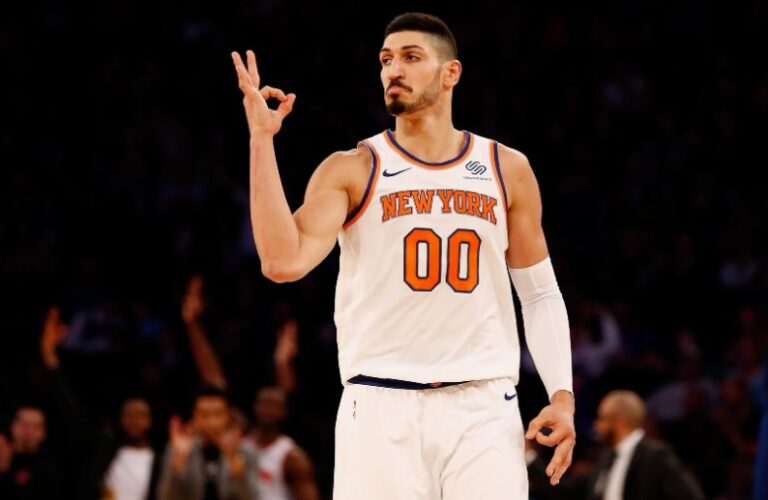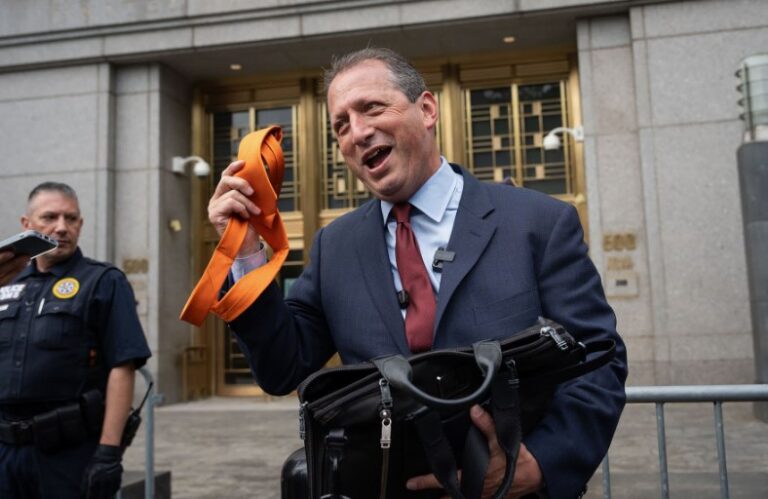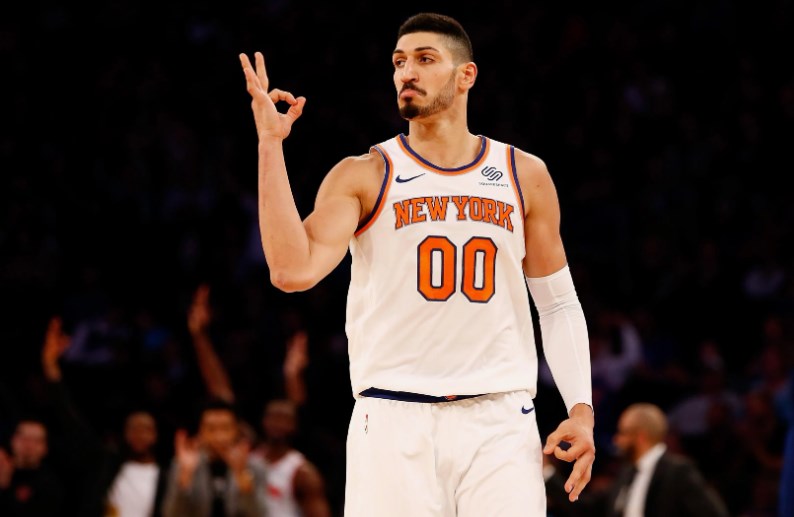
Enes Kanter Freedom not allowed in for Game 3 of WNBA Finals after refusing suite – When sports, politics, and modern social debates collide, the sideline often becomes as loud as the court itself. That clash was on full display during Game 3 of the WNBA Finals at State Farm Arena in Atlanta, where former NBA player Enes Kanter Freedom was turned away after refusing to sit in a private suite designated for him by arena management and team officials.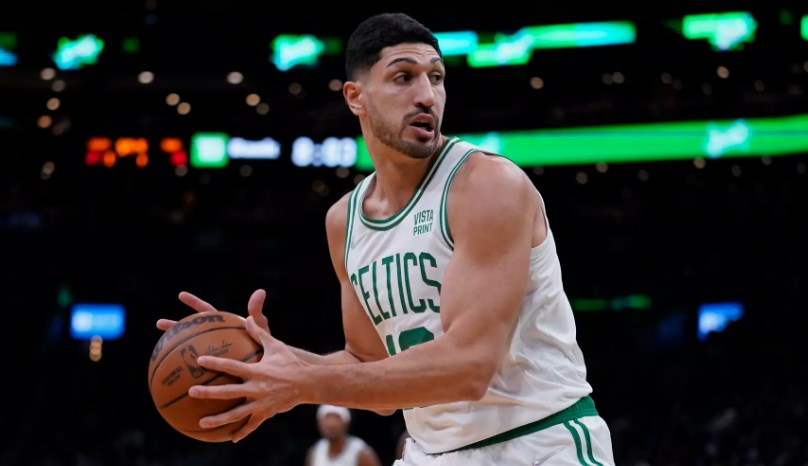
The standoff highlights the growing tension between public activism, arena security protocols, and high-profile sporting events. What began as a fan purchasing standard tickets ended in a videoed confrontation at the entry turnstiles, leaving both sides offering sharply contrasting accounts of what happened and why.
The Spark: Standard Ticket vs. Assigned Suite
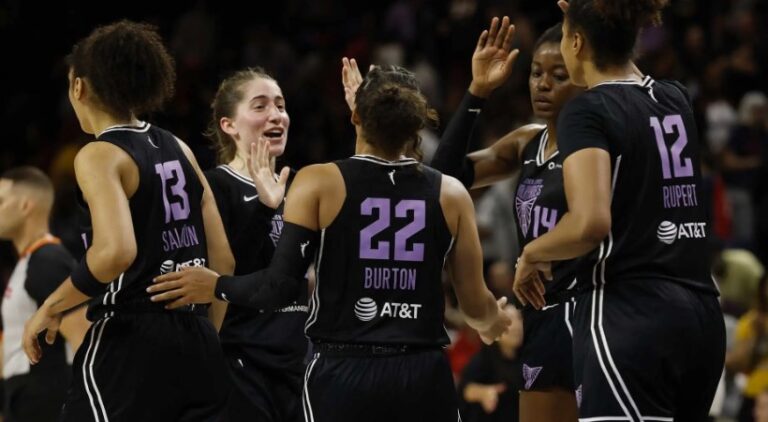
The incident unfolded prior to and during Game 3 between the Atlanta Dream and the Golden State Valkyries. Freedom, who has increasingly pivoted into political commentary and vocal activism regarding gender policies in sports, stated that he purchased standard seating tickets to attend the championship game. However, upon arrival at the entry gate, venue staff informed Freedom that his admission was contingent on watching the game from a designated private suite. Enes Kanter Freedom not allowed in for Game 3 of WNBA Finals after refusing suite
According to official statements released by State Farm Arena and team representatives, the suite arrangement—complete with designated security personnel—was established as a protective measure. Given Freedom’s recent public commentary and previous disruptive incidents at other league games, arena officials cited safety and fan experience concerns for both Freedom and surrounding attendees as the primary reason for relocating him away from general seating.
“I purchased tickets, right? Just because I purchased tickets, I would like to sit in my seat. That’s all I want.”
Staff members reiterated the arena’s policy, explaining that entry was conditional on agreeing to the suite relocation. When Freedom declined the alternative seating, law enforcement officers present informed him that he could not remain on the venue property and would need to leave.
Escalation on Social Media
Unsurprisingly, the encounter quickly spilled over into the digital realm. Freedom posted video clips to social media during halftime, alleging he was improperly thrown out of a second consecutive WNBA game while claiming he was simply attending to support female athletes. His posts framed the incident as a suppression of free expression and an overreach by league authorities. “Let that sink in, AMERICA!” he wrote in a post accompanying the gate footage.
Conversely, arena representatives and local law enforcement maintained that Freedom was never outright banned from attending; rather, he was offered upgraded accommodations with heightened security at no extra charge to ensure safety. Officials emphasized that when a patron rejects a venue’s conditional safety accommodations, property managers retain the legal right to deny entry.
The Broader Backdrop: Activism vs. Game Operations
This confrontation in Atlanta does not exist in a vacuum. Freedom, who last played in the NBA in 2022, has spent recent years building a prominent conservative media persona focused on geopolitical issues, human rights activism, and more recently, opposition to transgender participation in women’s sports.
For sports venues and leagues like the WNBA, managing high-profile figures with contentious public agendas presents a tricky operational challenge. While professional sports arenas are places of public gathering, they remain privately controlled venues tasked with maintaining order, preventing fan altercations, and ensuring that security protocols are strictly followed—especially during marquee events like a championship final.
When an individual’s presence is deemed a potential lightning rod for disruption, arena security often utilizes suites or segregated seating to balance safety with access. But as Game 3 demonstrated, when a patron views those safety measures as an attempt to isolate or silence them, the resolution rarely comes quietly. Enes Kanter Freedom not allowed in for Game 3 of WNBA Finals after refusing suite
While the video clips generated immediate reaction across online commentary channels, the action on the court moved forward. The Atlanta Dream ultimately delivered a dominant Game 3 performance, securing a 97-71 victory over the Valkyries behind a standout performance from star Angel Reese to take a 2-1 series lead.
Yet, the incident at the turnstiles remains a clear snapshot of modern culture: a world where sports arenas are not just venues for athletic competition, but stage settings for broader ideological battles over access, safety, and public space. Enes Kanter Freedom not allowed in for Game 3 of WNBA Finals after refusing suite
About the Author