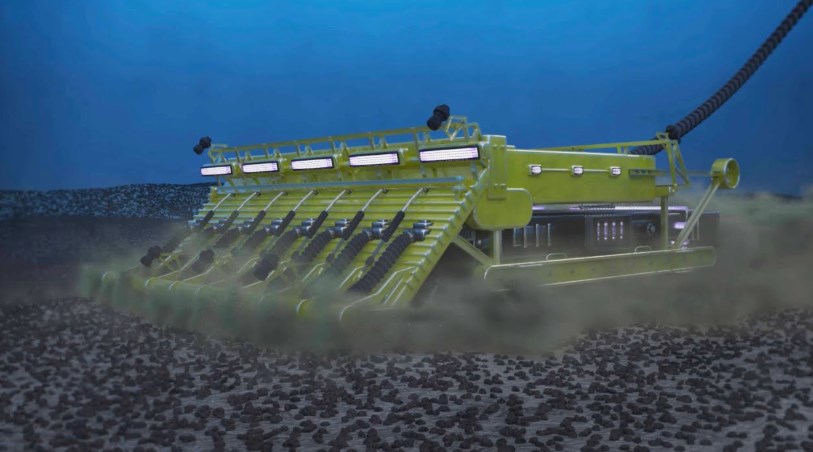
Trump auctioning nearly 100 million acres of seafloor for mining – The Trump administration is pushing ahead with an ambitious plan to expand deep-sea mining, opening vast stretches of the Pacific Ocean to companies seeking valuable minerals beneath the waves. The initiative reflects President Donald Trump’s broader effort to strengthen America’s access to critical resources used in electronics, electric vehicles, energy infrastructure, and military equipment. However, the plan is also raising serious questions about the environmental consequences of industrial activity in some of the least explored parts of the planet. Trump auctioning nearly 100 million acres of seafloor for mining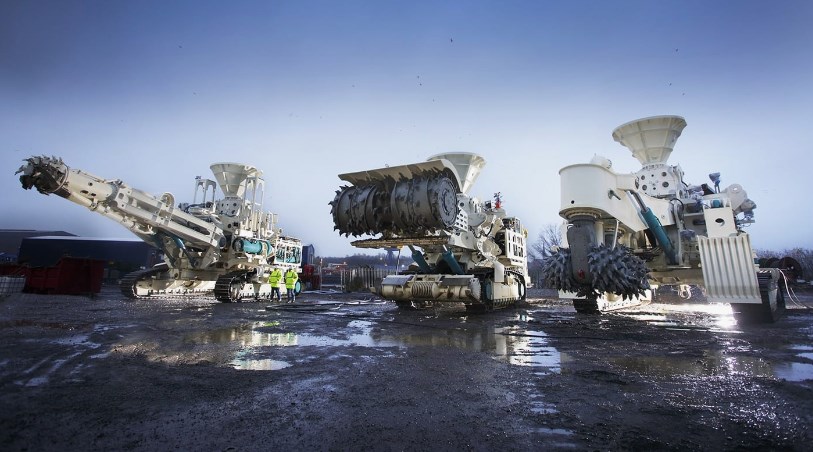
One of the most significant developments came in October 2026, when the administration finalized plans for its first federal deep-sea mining lease sale near American Samoa. The auction, scheduled for November 19, will cover approximately 31.5 million acres of seabed. Separate proposals involving other Pacific territories and Alaska could expand the overall footprint of the administration’s offshore mineral exploration strategy considerably. These projects are part of a broader push that has brought nearly 100 million acres, and potentially much more, into discussions about future seabed development.
For the administration, the objective is straightforward: reduce America’s dependence on foreign mineral supplies and establish a stronger domestic position in a rapidly changing global economy. For environmental organizations and Pacific communities, however, the prospect of industrial mining in deep waters presents risks that scientists are still working to understand.
Why Trump Wants to Open the Seafloor to Mining
Critical minerals have become increasingly important to modern technology. Copper is essential for electrical systems, while nickel, cobalt, and manganese are used in various battery technologies and industrial applications. These materials also support manufacturing, communications infrastructure, and certain defense systems.
The United States currently depends on international supply chains for many minerals and the processing needed to turn raw materials into usable products. China occupies a particularly influential position in several critical mineral supply chains. The Trump administration argues that this dependence creates economic and national security vulnerabilities, especially if geopolitical tensions disrupt access to important resources. Trump auctioning nearly 100 million acres of seafloor for mining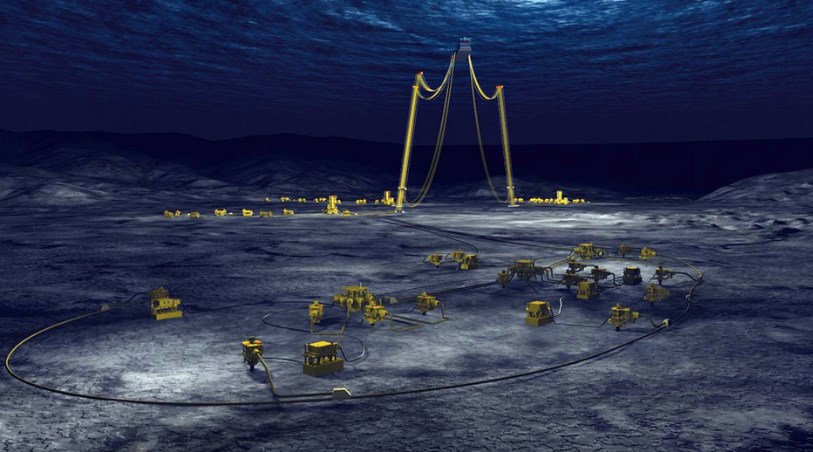
In April 2025, Trump signed an executive order directing federal agencies to accelerate the development of offshore critical mineral resources. The policy called for faster reviews of exploration and commercial recovery permits, improved seabed mapping, and greater investment in domestic processing capabilities.
The administration’s latest leasing efforts put that policy into practice. By allowing companies to investigate potential mineral deposits, officials hope to determine whether the seafloor can become a commercially useful source of raw materials. Yet exploration and actual mining are very different stages of development. Identifying a promising deposit does not automatically mean that extracting it will be profitable, technically feasible, or environmentally acceptable.
The American Samoa Auction and Its Enormous Scale
The finalized American Samoa lease sale represents a major step in the government’s offshore mining strategy. According to reporting by S&P Global, the November 19 auction will offer two areas covering a combined 31.5 million acres on the American Samoa Outer Continental Shelf.
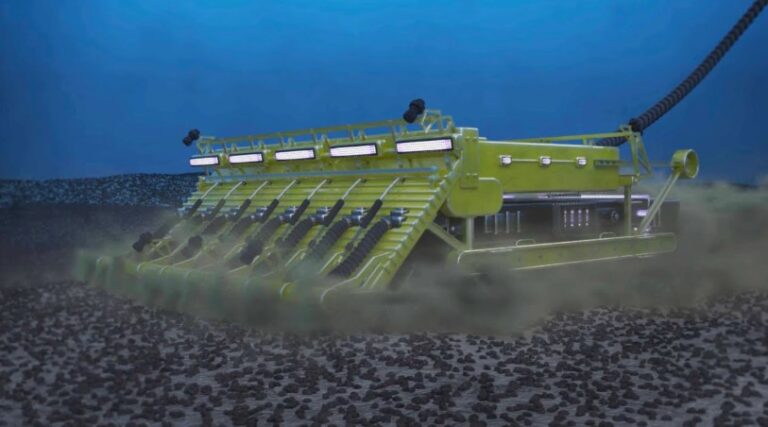
These leases are intended to support exploration for deposits such as polymetallic nodules and ferromanganese crusts. Depending on their composition, these formations can contain valuable metals, including nickel, cobalt, manganese, and other industrial materials.
The scale is striking. Tens of millions of acres provide companies with enormous areas in which to investigate geological conditions and identify potentially recoverable resources. The government argues that large lease areas offer flexibility because operators can avoid unsuitable locations and concentrate their activities where conditions appear more promising. Trump auctioning nearly 100 million acres of seafloor for mining
However, the leases do not amount to immediate approval for unrestricted commercial mining. Exploration can involve geological surveys, biological sampling, and oceanographic measurements. Any subsequent commercial recovery would require additional planning and regulatory approval.
Other proposed leasing areas in the Pacific, including waters near the Northern Mariana Islands and Guam, demonstrate that the American Samoa initiative is not an isolated project. Alaska has also been included in the administration’s wider offshore mineral planning. These separate initiatives help explain why discussions of the overall acreage involved can reach figures much larger than the area covered by the first confirmed auction.
Environmental Concerns Beneath the Surface
The biggest controversy surrounding deep-sea mining involves what could happen to ocean ecosystems once industrial operations begin. The deep ocean is home to organisms adapted to extreme pressure, low temperatures, and limited sunlight. Many species remain poorly understood, and scientists have incomplete information about how some deep-sea ecosystems function.
Mining operations could disturb the seafloor, destroy habitats, and generate sediment plumes that spread beyond the immediate extraction site. Depending on the equipment and techniques used, activities could also introduce noise, artificial lighting, and other disturbances into environments that have evolved under relatively stable conditions.
Sediment released during mining may settle over organisms that depend on the seabed for food and shelter. Other species could be affected by changes in water conditions or disruptions to the ecological relationships that sustain deep-ocean communities.
Environmental groups are especially concerned about the proposed American Samoa leases because the area lies near Rose Atoll, a protected marine environment. The Natural Resources Defense Council criticized the administration’s decision, arguing that the proposed sale could expose vulnerable habitats to unacceptable risks.
The problem is not simply that mining might cause damage. It is also that scientists cannot yet predict every consequence with confidence. Deep-sea ecosystems can recover slowly, and some habitats may be difficult or impossible to restore if they are extensively damaged.
Pacific Communities Raise Questions About the Plan
The debate extends beyond environmental science. Pacific communities have strong cultural, economic, and social connections to the ocean, which supports fishing, tourism, transportation, and traditional ways of life.
For residents of American Samoa and other Pacific territories, the potential consequences of deep-sea mining are not limited to distant underwater habitats. Changes in marine ecosystems could affect fisheries and the livelihoods of people who depend on healthy ocean environments. Communities are also concerned about whether their views will receive sufficient consideration before decisions are made about waters surrounding their homes.
Some local leaders and environmental advocates have questioned whether the administration is moving too quickly, given the limited scientific understanding of the possible long-term effects. They argue that comprehensive research and meaningful consultation should come before commercial exploitation.
The administration, meanwhile, maintains that offshore mineral development can support national interests and that the leasing process provides room for environmental and technical exclusions. The central disagreement concerns whether those safeguards will be strong enough to prevent lasting harm.
A Wider International Dispute Over Deep-Sea Mining
The United States is also pursuing its plans amid an international debate over how deep-sea mining should be governed. More than 40 countries have supported calls for a moratorium or ban on the practice, reflecting concerns about scientific uncertainty and the potential for irreversible environmental damage.
The International Seabed Authority, a United Nations-affiliated organization based in Jamaica, oversees mineral-related activities in international seabed areas beyond national jurisdiction. Governments have spent years negotiating rules for commercial mining in those waters.
The United States has taken a different approach by advancing a domestic permitting framework for seabed resources, including areas beyond its national jurisdiction. This has raised questions about international law, the authority of existing institutions, and how competing countries might respond.
The dispute could become more significant if commercial operations move forward before international rules are widely accepted. Mining companies may face uncertainty about the legal status of their activities, while other governments could view unilateral development as undermining efforts to establish common standards.
What Happens Next?
The November 19 American Samoa auction will be an important test of the administration’s strategy. Interest from mining companies could indicate whether the industry believes seabed resources can eventually be developed on a commercially viable scale. However, winning a lease would not guarantee that a company could immediately begin extracting minerals for sale.
Operators would still need to demonstrate that their plans are technically workable, economically sustainable, and compliant with applicable requirements. Processing the recovered materials presents another challenge because mining is only one part of the supply chain. Companies must also find ways to transport, refine, and sell their resources at competitive prices.
Ultimately, Trump’s deep-sea mining initiative highlights the difficult balance between securing valuable resources and protecting the natural environment. Supporters see an opportunity to diversify mineral supplies, strengthen American manufacturing, and reduce dependence on overseas processing. Critics warn that the economic benefits remain uncertain while the environmental risks could last for generations.
The first auction will not settle that debate. Instead, it will mark another step in a much larger policy experiment involving ocean science, industrial development, national security, and international cooperation.
As the United States moves forward, the central question will be whether the promise of valuable underwater minerals justifies the risks of disturbing ecosystems that remain largely unexplored. The answer will depend not only on the resources companies discover, but also on the safeguards governments establish before deep-sea mining becomes a permanent part of the global economy.
About the Author