CNN MS NOW and Politico sue Trump over White House ban – A new legal battle between the Trump administration and the American news media is unfolding in Washington, D.C., after CNN, MS NOW and Politico sued President Donald Trump and members of his administration over their exclusion from the White House.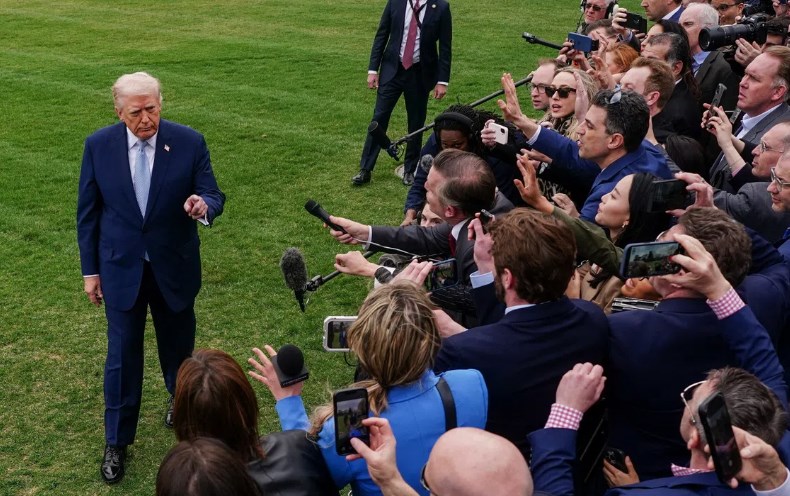
The three news organizations filed their lawsuit on Monday, September 21, arguing that the administration violated their constitutional rights by revoking journalists’ access after objecting to their reporting. They are asking a federal court to intervene quickly and restore their access to the White House while the broader legal dispute continues.
The dispute is about more than whether three news organizations can walk through the gates of the White House. At its heart is a much bigger question: how much control should a president have over which journalists are allowed to cover the presidency? For the reporters affected, the consequences are immediate. For the public, the case raises questions about how independent journalism should operate when the government and the media are openly at odds.
How the White House Ban Began
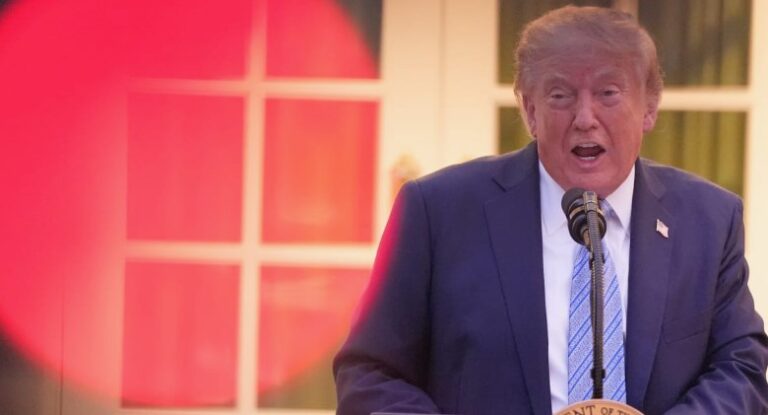
The confrontation escalated on Friday, September 18, when Trump announced that CNN, MS NOW and Politico would be barred from the White House. Trump described the organizations as sources of what he called “fake news” and criticized their coverage of his administration. He did not identify one particular report that triggered the decision, instead describing what he viewed as a broader pattern of negative coverage.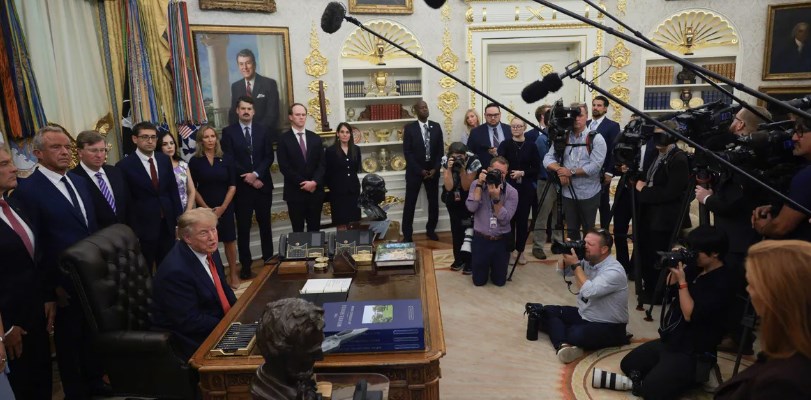
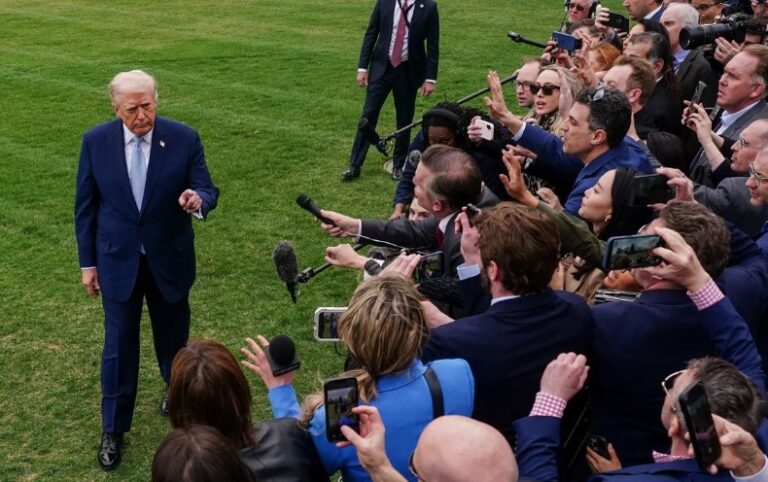
By Saturday, journalists from the three organizations were being denied entry to the White House grounds. Their press credentials were disabled or confiscated, preventing them from performing the normal reporting duties they had previously carried out there.
The sudden change was significant because White House reporters routinely work under established credentialing arrangements. The journalists involved were not simply trying to enter a public building as ordinary visitors. They were assigned to cover the president and his administration as part of their professional responsibilities.
Trump defended the decision publicly, arguing that the White House should not be required to provide access to organizations he believes publish false or unfair stories. On Monday, he again characterized the move as a response to what he called “FAKE NEWS,” while saying that he values the free press.
The three news organizations see the situation very differently.
Why CNN, MS NOW and Politico Went to Court
CNN, MS NOW and Politico say the White House did not simply change an administrative policy. They argue that the administration punished them because officials disliked the content and viewpoint of their reporting.
In their joint statement, the organizations said their journalists’ credentials were revoked without notice or a process that would allow them to challenge the decision. They argued that allowing such an action to stand could create a precedent in which government officials decide which news organizations deserve access based on whether their coverage is favorable.
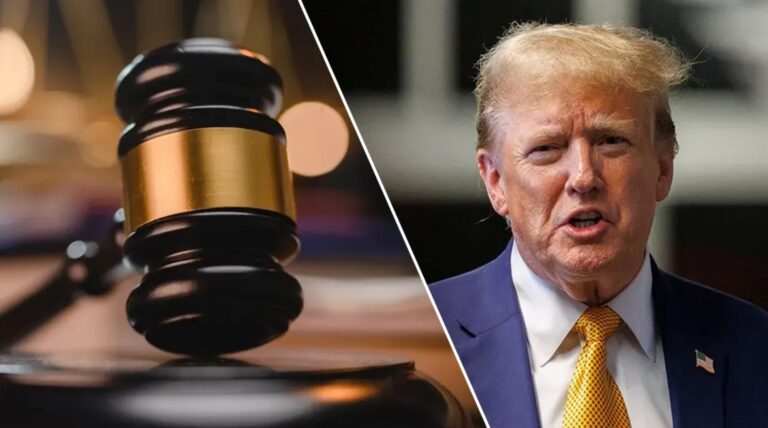
Their lawsuit therefore invokes the First Amendment, which protects freedom of speech and freedom of the press. The organizations also raise due-process concerns under the Fifth Amendment.
Their argument is not that journalists automatically have an unrestricted constitutional right to enter every government facility. Instead, they contend that once press access has been granted, the government cannot withdraw that access simply because officials dislike the reporting.
The outlets are asking the court for a temporary restraining order that would restore access while the case proceeds. The request reflects the practical urgency of the dispute: presidential events continue every day, and reporters can lose important opportunities to observe and question government officials if they are excluded for an extended period.
Why the First Amendment Is Central to the Case
The First Amendment is likely to be at the center of the legal arguments because the dispute involves the government’s relationship with journalists. The media organizations characterize the White House action as retaliation for protected reporting. Their lawyers argue that government officials should not be able to punish journalists because they dislike the way those journalists cover them. CNN MS NOW and Politico sue Trump over White House ban
That issue has appeared in previous disputes involving the Trump administration. During Trump’s first presidency, CNN correspondent Jim Acosta temporarily lost his White House press credentials after a confrontation with the president. A federal judge ordered the credential restored.
There was also a more recent dispute involving The Associated Press. The news organization challenged restrictions imposed by the Trump administration after it declined to adopt the administration’s preferred terminology for the Gulf of Mexico. That case likewise raised questions about whether government officials can restrict access because of an organization’s editorial position.
Those earlier cases do not automatically determine the outcome of the current lawsuit. However, they provide legal history that both sides are likely to examine as the court considers the dispute.
The Impact Goes Beyond Three Newsrooms
One reason this lawsuit has attracted attention across the media industry is that the consequences could extend beyond CNN, MS NOW and Politico. The White House Correspondents’ Association has criticized the restrictions and argued that the ability of journalists to scrutinize elected officials should not depend on whether those officials approve of the coverage. The association has warned that a rule used against one organization could potentially be applied to others in the future.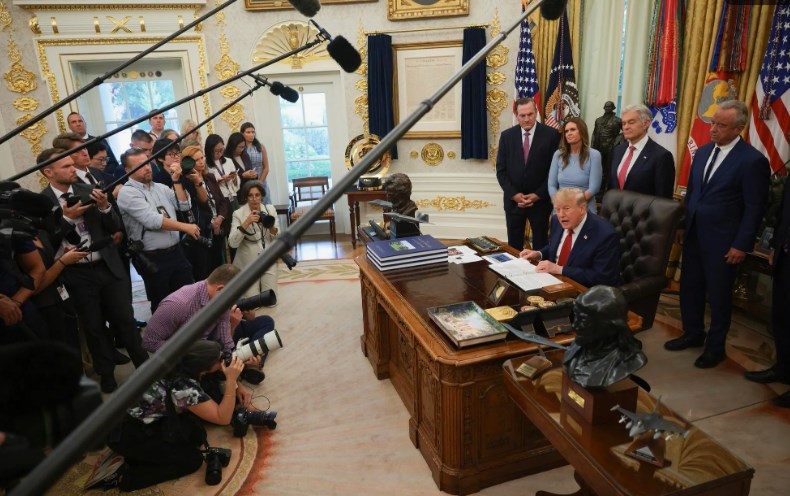
The controversy has also affected the traditional White House television pool. CNN is one of five major television networks that participate in the pool providing video coverage of presidential events. The arrangement allows networks to share resources and distribute footage from events where it would be impractical for every organization to have its own camera crew. CNN MS NOW and Politico sue Trump over White House ban
CNN had been scheduled to provide pool coverage related to Trump’s trip to New York for the United Nations General Assembly. Following the White House action, the normal pool arrangement was disrupted, and the other major networks indicated that they would not simply replace CNN’s scheduled assignment with another network. That development illustrates how a dispute involving one news organization’s access can affect the broader media system.
What Happens Next?
The next major step will be in federal court in Washington, D.C., where the judge will consider the news organizations’ request for immediate relief.
The outlets want their journalists’ access restored while the constitutional questions are litigated. The administration, meanwhile, is expected to defend the president’s authority to determine access to White House grounds and challenge the media organizations’ interpretation of the First and Fifth Amendments.
The court’s eventual decisions could help clarify the boundaries between presidential control over White House operations and constitutional protections for journalists.
For the reporters involved, however, this is not an abstract constitutional debate. They still have a job to do. The White House remains one of the most important places in the country for gathering information about presidential decisions, policies and activities.
For the public, the issue is equally practical. People depend on journalists to report what government officials say and do, while journalists depend on access to gather that information directly.
That tension has always existed between presidents and the press. Presidents frequently criticize unfavorable coverage, and news organizations regularly challenge government officials. What makes this dispute particularly consequential is the question of whether dissatisfaction with reporting can become a reason to remove a journalist’s access to the institution they are assigned to cover.
The lawsuit filed by CNN, MS NOW and Politico will now put that question before the courts.
Whatever the eventual ruling, the case is likely to become another important chapter in the continuing legal and political struggle over the relationship between the White House and the American press. It is a reminder that press freedom is not simply about what journalists are allowed to publish. It can also involve the practical ability to gather information, enter places where government officials conduct public business and report those events to the people outside the room.
For now, the reporters from the three organizations remain outside the White House gates, while their employers make their case inside a federal courtroom. The outcome will determine more than their immediate access. It could also help define how presidents and journalists interact in an era when the relationship between the government and the news media has become increasingly contentious. CNN MS NOW and Politico sue Trump over White House ban
About the Author