6 things Gemini Intelligence is about to do across your Android devices
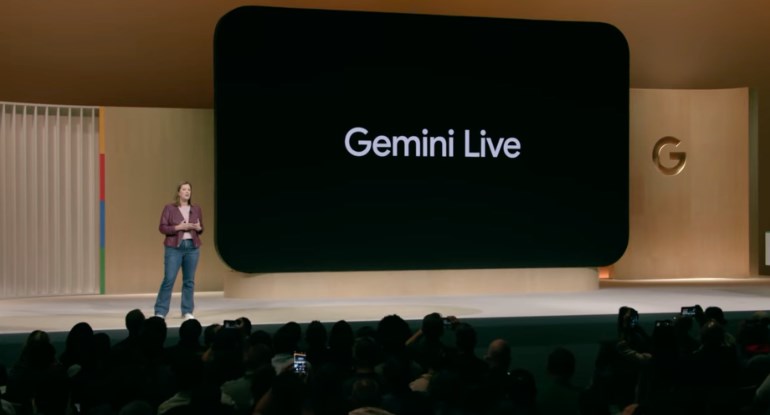
6 things Gemini Intelligence is about to do across your Android devices – Google’s AI ambitions are no longer limited to search bars and chatbots. With Gemini Intelligence becoming deeply woven into the Android ecosystem, the company is preparing a future where your phone, smartwatch, earbuds, tablet, car, and even TV work together more naturally than ever before. Instead of treating devices as separate gadgets, Gemini aims to connect them into one intelligent experience that understands context, predicts needs, and helps users complete tasks faster.
The biggest shift is that Android devices are becoming proactive rather than reactive. In the past, users had to open apps, type commands, or manually organize information. Gemini Intelligence changes that by turning Android into a smarter assistant that can listen, summarize, remember, and act across devices in real time. Here are six major things Gemini Intelligence is about to do across Android devices — and why it could completely change how people interact with technology.
1. Gemini Will Understand Context Across Multiple Devices
One of the most important upgrades coming to Android is cross-device awareness. Gemini Intelligence is designed to remember what you’re doing and continue helping you regardless of which device you pick up. Imagine searching for vacation ideas on your Android tablet during lunch. Later, when you get into your car, Android Auto could automatically continue the conversation, suggesting routes, hotels, or saved destinations without requiring you to repeat anything. When you arrive home, your Android TV may recommend related travel videos or destination guides.
This kind of continuity sounds simple, but it represents a major leap forward for AI assistants. Current digital assistants still behave like isolated tools. Gemini wants to act more like a personal companion that follows your workflow naturally. Google is also focusing heavily on memory and personalization. Gemini may eventually remember your preferences, routines, favorite apps, communication habits, and recurring tasks. That means your devices could become better at predicting what you need before you ask. For Android users, this could dramatically reduce friction between devices and create a smoother digital experience overall. 6 things Gemini Intelligence is about to do across your Android devices
2. Gemini Will Turn Android Phones Into Real-Time Personal Assistants
Smartphones are expected to become the center of Gemini Intelligence. Google wants Android phones to handle much more than simple voice commands. Instead of saying, “Set a timer,” users may soon ask complex conversational requests like:
“Find the restaurant Sarah mentioned last week, text her if she’s free Friday, and add the reservation to my calendar.” Gemini is being built to manage multi-step actions automatically. Rather than opening separate apps for messaging, maps, calendar, and search, the AI can potentially coordinate everything behind the scenes. Another major upgrade is live screen understanding. Gemini can analyze what’s currently displayed on your phone and provide assistance instantly.
For example, if you’re reading a long article, Gemini could summarize it in seconds. If you’re viewing a recipe, it may automatically generate a shopping list. If you’re watching a YouTube video, it could answer questions about the content without interrupting playback.This moves Android away from app-centered computing and toward intent-centered computing, where users focus on goals instead of navigating software manually.
3. Gemini Will Make Smartwatches More Useful Than Ever
Wearables have often struggled to move beyond fitness tracking and notifications. Gemini Intelligence could finally change that. Future Android smartwatches may become true AI companions capable of handling conversations, reminders, translations, and health-related insights directly from your wrist. Because smartwatches are always accessible, Gemini could deliver fast contextual help throughout the day. During workouts, it may provide real-time coaching. During meetings, it could quietly summarize missed messages. While traveling, it might translate conversations instantly or surface useful local information. 6 things Gemini Intelligence is about to do across your Android devices
Voice interaction will likely become much more natural as well. Instead of rigid commands, users may speak conversationally and receive intelligent responses that adapt to context. Battery efficiency remains a challenge for wearable AI, but Google appears focused on using a mix of on-device processing and cloud computing to balance performance and power usage. If successful, Gemini could finally make smartwatches feel genuinely smart rather than simply acting as phone accessories.
4. Gemini Will Create Smarter Audio Experiences With Earbuds
Wireless earbuds are also expected to become significantly more intelligent through Gemini integration. Currently, most earbuds only support basic voice commands, music controls, and notifications. Gemini could transform them into always-available AI assistants capable of understanding conversations and delivering real-time information privately. One of the most exciting possibilities is live translation. Users may eventually hear translated speech directly through earbuds during conversations with people speaking different languages. Google has experimented with similar features before, but Gemini’s more advanced language understanding could make the experience smoother and more natural.
Gemini may also help users manage daily tasks hands-free. For instance, while cooking or driving, users could ask detailed questions, send messages, organize reminders, or receive contextual updates without touching a screen. Noise management may become smarter too. Earbuds could automatically adjust transparency and noise cancellation settings depending on location or activity. In a busy airport, Gemini might prioritize announcements. During conversations, it may reduce background distractions automatically. These changes could make earbuds feel less like accessories and more like discreet AI companions.
5. Gemini Will Transform Android Tablets and Productivity
Android tablets are expected to benefit heavily from Gemini’s productivity-focused features. For years, tablets existed in an awkward middle ground between phones and laptops. Gemini may finally give them a stronger identity by turning them into AI-powered creative and work devices. Users could brainstorm ideas with Gemini while writing documents, generate summaries during research sessions, or receive AI assistance while editing photos and videos. Multitasking may also improve dramatically, with Gemini helping organize apps and workflows based on user behavior.
For students, Gemini could explain difficult concepts, summarize textbooks, create study guides, and answer questions in real time. Professionals may use it to analyze spreadsheets, prepare presentations, or automate repetitive tasks. The integration of stylus input and AI is especially promising. Handwritten notes could instantly become organized summaries or searchable documents. Drawings might transform into polished graphics or editable designs. Rather than replacing productivity apps, Gemini appears designed to sit above them as an intelligent layer that simplifies how people work. 6 things Gemini Intelligence is about to do across your Android devices
6. Gemini Will Push Android Toward a More Personalized Future
Perhaps the most important change is personalization. Gemini Intelligence is being designed to adapt to individual users over time. Instead of offering generic suggestions, Android devices may begin tailoring experiences based on habits, schedules, interests, and routines. For example, your phone might recognize that you usually check traffic before work and automatically surface commute updates each morning. Your tablet could prepare reading materials before meetings. Your smartwatch may remind you to hydrate after workouts. Your TV might recommend content based on recent searches and conversations across devices.
This level of personalization could make technology feel significantly more intuitive. However, it also raises important questions about privacy and data security. Google will need to convince users that deeply personalized AI can remain safe and trustworthy. Features like on-device AI processing and privacy controls will likely play a major role in public acceptance. Despite those concerns, the direction is clear: Android is evolving from a collection of apps into an intelligent ecosystem powered by Gemini.
The Bigger Picture
Gemini Intelligence is not just another virtual assistant upgrade. It represents Google’s attempt to redefine how people interact with technology across every Android device they own. The goal is simple but ambitious: eliminate friction between humans and computers.
Instead of constantly switching between apps, menus, and devices, users may soon interact with Android more naturally through conversation, context, and intelligent automation. If Google succeeds, Gemini could become one of the most significant transformations in Android history — changing smartphones, wearables, tablets, earbuds, cars, and home devices into parts of one connected AI experience. The future of Android may no longer revolve around apps alone. It may revolve around intelligence itself. 6 things Gemini Intelligence is about to do across your Android devices
About the Author