The Strait of Hormuz is a narrow maritime chokepoint connecting the Persian Gulf to the Gulf of Oman and the Arabian Sea. Roughly a fifth of the world’s oil passes through this corridor, making it one of the most strategically vital shipping lanes on Earth. Any disruption there can instantly shake global energy markets, raise shipping insurance costs, and trigger international panic.
Iran understands this leverage better than anyone
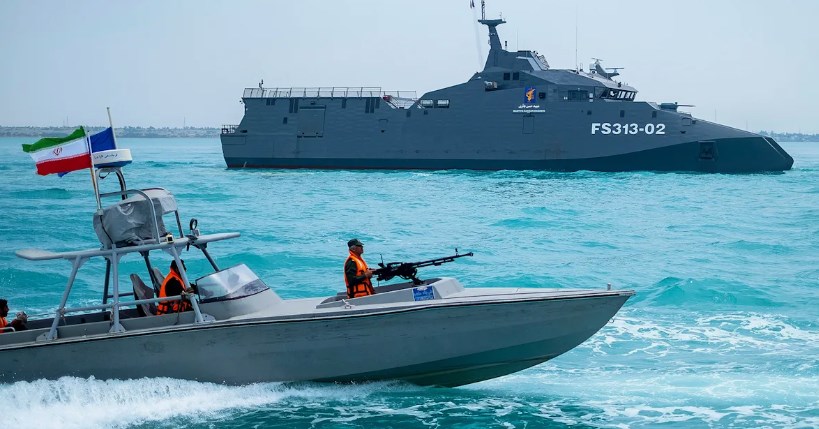
Rather than trying to match the United States ship-for-ship, Tehran has spent years building an asymmetric naval strategy designed to make the Strait too dangerous for normal traffic. At the heart of that strategy is the so-called “mosquito fleet” — hundreds, possibly thousands, of small high-speed attack boats capable of overwhelming much larger vessels through swarm tactics.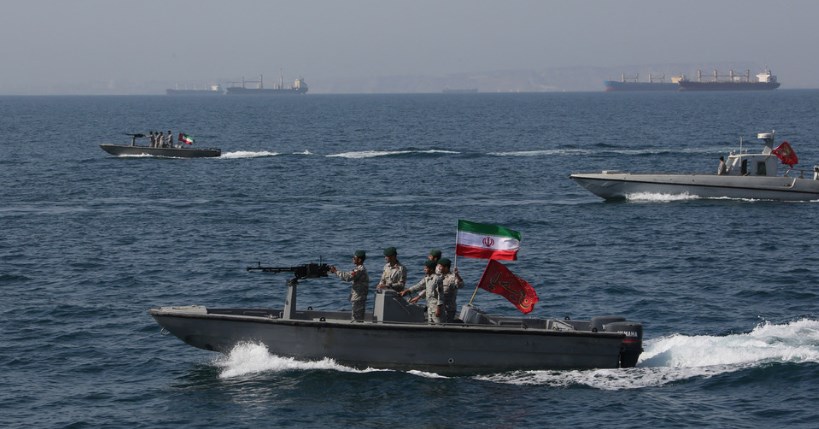
These boats are cheap, agile, and heavily armed for their size. Some carry machine guns and rocket launchers, while others are equipped with anti-ship missiles, naval mines, drones, or even explosives intended for suicide attacks. Many can move at extremely high speeds, darting across the water far faster than traditional warships can react. Individually, one mosquito boat is not much of a threat to a destroyer or tanker. But Iran rarely intends to use them individually.
The real danger comes from swarming tactics
Military experts describe scenarios where dozens of small boats suddenly emerge from hidden coastal bases, caves, or underground tunnels and converge on commercial ships or naval vessels simultaneously. The goal is not necessarily to sink a warship outright, but to create chaos, force hesitation, and make safe navigation impossible. It is a classic example of asymmetric warfare: using low-cost, unconventional tactics to counter a technologically superior enemy.
For years, many Western observers dismissed these small boats as more nuisance than genuine threat. But recent confrontations in the Strait of Hormuz have changed that perception dramatically. Reports indicate that Iran’s swarm tactics have already disrupted shipping traffic, intimidated commercial operators, and complicated U.S. naval operations in the region. Even after heavy strikes reportedly damaged much of Iran’s conventional navy, the mosquito fleet remained largely intact. That resilience has become a major concern for military planners.
Part of the problem is geography
The Strait of Hormuz is extremely narrow in places, only about 21 nautical miles wide. Large tankers have limited room to maneuver, making them vulnerable to fast-moving attackers. Iran’s coastline also gives the IRGC numerous hiding spots and launch points along cliffs, coves, and coastal facilities. This terrain favors small attack craft over giant warships. Iran Is Using Tiny Mosquito Boats to Shut Down the Strait of Hormuz
A U.S. aircraft carrier may possess overwhelming firepower, but it cannot easily chase dozens of tiny boats weaving through shallow coastal waters at high speed. By the time radar systems identify one threat, several others may already be approaching from different directions. Analysts say that is precisely why Iran continues investing heavily in these tactics. The strategy is less about winning a traditional naval battle and more about denying access. Iran does not necessarily need to destroy enemy fleets to achieve its goals. It only needs to convince commercial shipping companies, insurers, and governments that passing through the Strait is too risky. In many ways, fear itself becomes a weapon.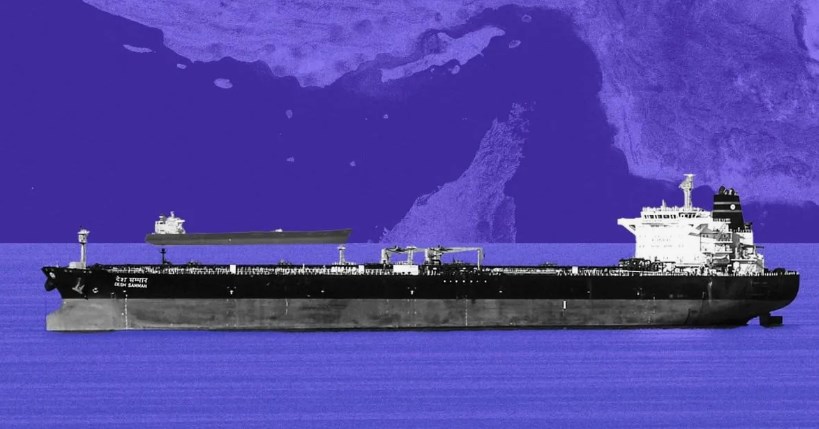
Shipping companies are notoriously risk-averse. Even a small chance of attack can send insurance premiums skyrocketing or force vessels to reroute entirely. Some experts note that economic disruption alone can make the Strait effectively unusable, even without a full military blockade. Iran appears increasingly confident in this approach.
Recent statements from Iranian officials suggest Tehran is redefining the Strait of Hormuz not as a narrow passage but as a much broader operational zone extending deep into surrounding waters. That shift signals a broader doctrine: Iran wants adversaries to believe its reach extends far beyond the immediate chokepoint. At the same time, the mosquito fleet is evolving technologically. Reports and analysts suggest Iran has experimented with unmanned explosive boats disguised as fishing vessels, adding another layer of unpredictability to maritime operations. Iran Is Using Tiny Mosquito Boats to Shut Down the Strait of Hormuz
This mirrors trends seen in modern drone warfare on land. Cheap, expendable systems are increasingly capable of threatening expensive military hardware. In naval warfare, Iran appears determined to apply the same logic. The economic implications are enormous. The Strait of Hormuz is essential not only for Middle Eastern oil exports but also for global energy stability. Any sustained disruption can affect fuel prices worldwide, impact inflation, and create ripple effects across international markets.
That is why even limited confrontations in the region attract global attention. The United States and its allies still possess overwhelming naval superiority overall, but experts warn that controlling the Strait against endless swarms of small attack craft would require enormous resources and constant vigilance. Destroying a few speedboats is relatively easy. Eliminating an entire decentralized network of hidden launch sites, underground tunnels, drones, mines, and mobile attack craft is much harder. And Iran knows it.
For Tehran, the mosquito fleet represents a cost-effective way to project power without maintaining a massive blue-water navy. A tiny speedboat armed with rockets may cost a fraction of a guided missile destroyer, yet it can still force that destroyer to react defensively. That imbalance is central to Iran’s strategy.
Instead of competing directly with global naval superpowers, Tehran is attempting to make the Strait of Hormuz a permanently unstable environment where even the strongest fleets cannot guarantee safety. In modern warfare, disruption can matter just as much as destruction. And in the narrow waters of the Strait of Hormuz, Iran’s tiny mosquito boats may be proving exactly that. Iran Is Using Tiny Mosquito Boats to Shut Down the Strait of Hormuz