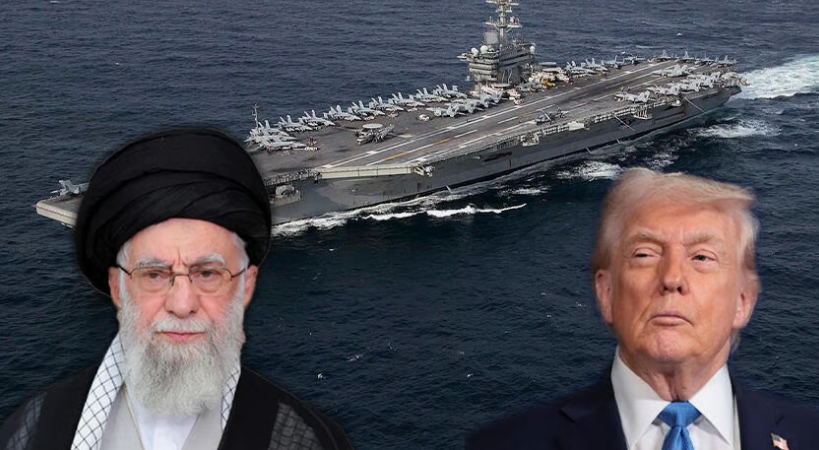
US will strike Iranian ships that near blockade, Trump says – Tensions in the Middle East have risen sharply following Donald Trump’s warnings that the US could take military action against Iranian warships if they come too close to imposing or backing a maritime blockade. The words have prompted global worry, increasing concerns about the possibility of escalation in one of the world’s most strategically important waterways.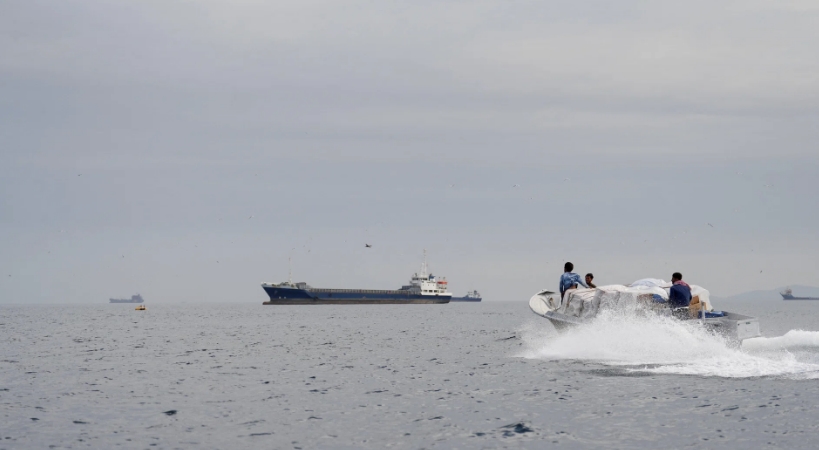
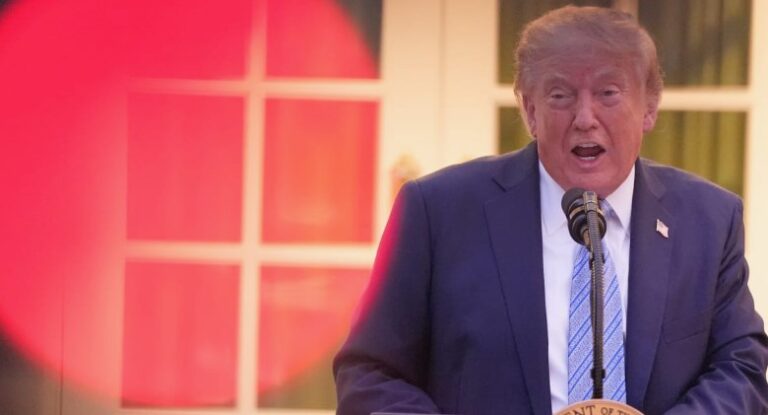
During a public address, Trump expressed a firm position toward Iran, underlining that any attempt to disrupt international transportation lanes would not be accepted. His warning comes amid growing concerns that Iran may use its geopolitical position to restrict transit through the Strait of Hormuz, a tiny route through which a large amount of the world’s oil supply flows.
A strategic flashpoint
The Strait of Hormuz has long been regarded as one of the most critical chokepoints in world trade. Every day, over one-fifth of the world’s petroleum flows through this tiny length of water, making it critical to global energy markets. Any disruption in this region has direct consequences, ranging from higher oil prices to greater economic instability.
Iran has repeatedly hinted at its ability to shut or restrict access to the strait, particularly during times of heightened conflict with the US. Trump’s recent words appear to be a direct response to heightened rhetoric from Tehran implying that such steps could be reconsidered. Trump has effectively drawn a red line by warning that US forces will strike Iranian ships approaching a blockade posture, which could have serious military and diplomatic ramifications.
Military Posturing and Deterrence
The United States maintains a significant naval presence in the region, which is mostly coordinated by the United States Navy and its Fifth Fleet, based in Bahrain. This force is responsible for preserving freedom of navigation and protecting commercial shipping channels. Trump’s remarks imply that US naval commanders have been granted, or may be given, greater latitude to engage Iranian boats deemed threatening. While no immediate action has been detected, the rhetoric has raised alert levels throughout the region.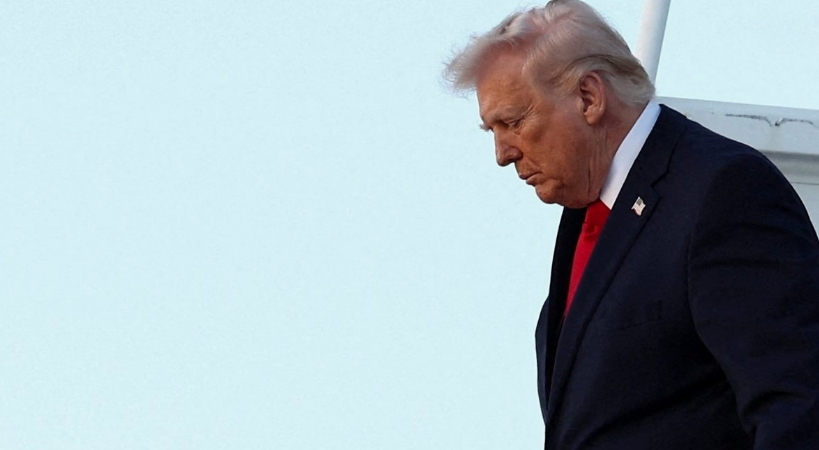
Iran, for its part, relies heavily on the Islamic Revolutionary Guard Corps, specifically its naval wing, to patrol the Persian Gulf. These forces are noted for their employment of swift attack boats and innovative tactics, which have resulted in tense standoffs with US ships. Such close interactions raise the possibility of miscalculation. A single incident, whether planned or accidental, has the potential to snowball into a larger encounter.
Diplomatic Fallout
Trump’s warning has elicited diverse reactions from the international community. Some US allies see the declaration as a necessary display of strength designed to prevent Iran from taking extreme action. Others, however, worry that such language may exacerbate an already combustible situation. Countries that rely significantly on oil imports, particularly in Asia and Europe, are closely watching events. Any disruption in the Strait of Hormuz could drive up oil prices, affecting economies far beyond the Middle East. US will strike Iranian ships that near blockade
Meanwhile, diplomatic contacts remain active, albeit strained. Efforts to restore or modify accords connected to Iran’s nuclear program have repeatedly failed. Tehran may view Trump’s latest words as a sign of rising animosity, complicating those conversations even further.
Economic implications
Markets reacted cautiously to the news, with oil prices indicating volatility following Trump’s statement. Even the prospect of a blockade—or military action to avoid one—can cause significant changes in energy prices. Shipping companies are also on edge. Insurance costs for vessels passing through the region could climb, and some operators may explore rerouting shipments, but options are limited and frequently more expensive. The broader economic impact may be enormous. Higher energy prices typically reverberate through global supply networks, influencing everything from transportation costs to consumer goods.
A History of Tension
This is not the first time the US and Iran have found themselves on the verge of a sea conflict. In recent years, oil tankers have been seized, drones have been shot down, and naval boats have come close to colliding. Trump has previously taken a tough position against Iran, most notably during his presidency, when he pulled theUS out of the nuclear accord and placed a series of economic sanctions on Tehran. These activities contributed to a period of increased tension, during which both sides took a number of retaliatory steps. The current scenario appears to resemble that previous era, with rhetoric once again taking center stage. US will strike Iranian ships that near blockade
Risk of Escalation
Perhaps the most alarming aspect of Trump’s statement is the possibility of escalation. Military analysts fear that even modest strikes on Iranian vessels might spark a larger battle, involving regional actors and potentially disrupting global trade. Iran has a number of retaliation options, including striking US assets in the region and using ally groups in neighboring nations. Such activities could swiftly escalate into a larger conflict, with unforeseen results. At the same time, the United States has stated unequivocally its commitment to keeping open maritime channels. This strikes a careful balance, preventing hostility without encouraging it.
What comes next?
For now, the situation is tense but stable. No imminent military action has been reported, and both sides appear to be cautiously planning their next steps. Observers will remain vigilant for any signs of escalation, notably in the Strait of Hormuz. Naval activity, diplomatic remarks, and market reactions will all be indicative of how the crisis is developing. Trump’s remarks have obviously elevated the stakes, but they may also serve as a deterrence, indicating that the United States is willing to act if required. US will strike Iranian ships that near blockade
Final Thoughts
Donald Trump’s statement highlights the fragile nature of stability in the Persian Gulf. With so much of the world’s energy supply traveling through a single, narrow river, even the prospect of disruption has far-reaching repercussions. As tensions between the US and Iran remain high, smart diplomacy and controlled action are more important than ever. The upcoming weeks may determine if this current phase leads to confrontation or restraint.
One thing is certain: the world will be paying careful attention as events unfold in one of the planet’s most vital areas.
About the Author