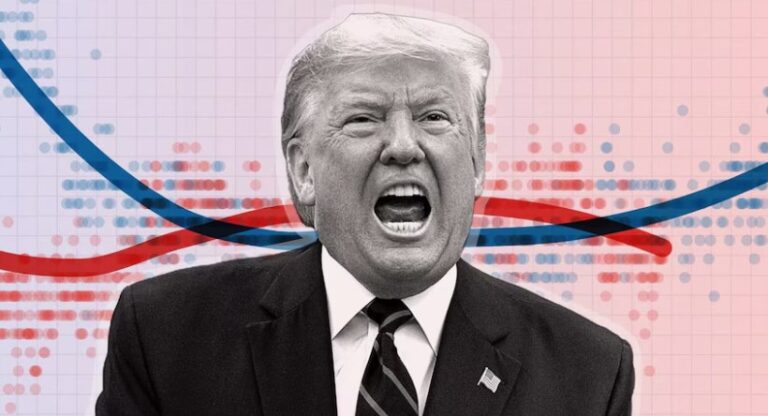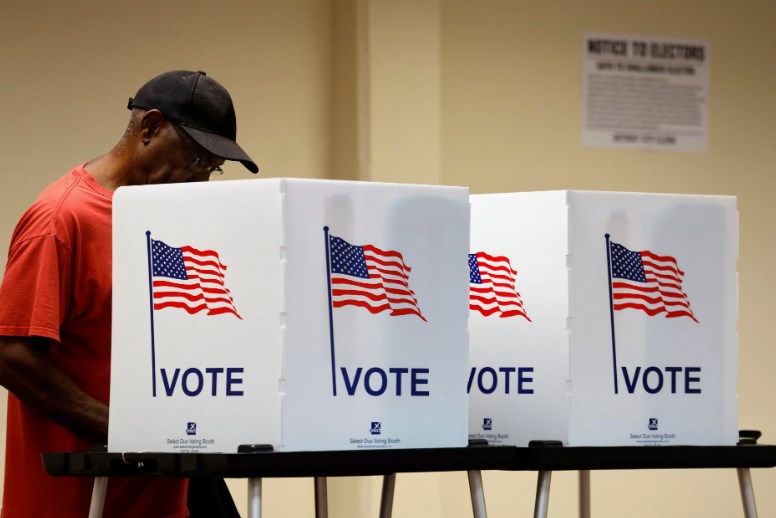
US voters in Belgium weigh in on midterm elections seen as referendum on Trump – As Americans headed to the polls for the 2026 midterm elections, the political atmosphere was tense both inside and outside the United States. With control of Congress hanging in the balance, voters were preparing to make decisions that could significantly influence the remainder of President Donald Trump’s second term. While millions of Americans were casting ballots at home, US citizens living thousands of miles away in Belgium were also following the election closely and making their voices heard.
The midterm elections were widely viewed as a referendum on Trump’s leadership, his administration’s controversial decisions, and the direction in which the country was heading. Republicans currently controlled both the House of Representatives and the Senate, but growing dissatisfaction with the president had created an opportunity for Democrats to regain political power.
For Americans living in Belgium, the election carried particular importance. Some viewed voting as a responsibility to protect American democracy, while others were concerned about healthcare, political stability, and the country’s international reputation. Their perspectives reflected the concerns of a divided electorate facing an important political moment.
Robin De Wouters, chair of Democrats Abroad in Belgium, described the situation as a critical moment for the United States. Speaking to The Brussels Times, he warned that the future of American democracy was at stake, arguing that Trump’s administration had challenged several important aspects of American society and government.
His comments highlighted why many Americans living overseas were paying close attention to an election that could determine the balance of power in Washington.
1. Americans Living Abroad Believe Their Votes Still Matter
For Americans living outside the United States, participating in national elections can sometimes feel less significant than voting in person at home. Distance, different time zones, and complicated voting procedures can make the process challenging. However, US citizens abroad have repeatedly demonstrated that their ballots can influence closely contested elections.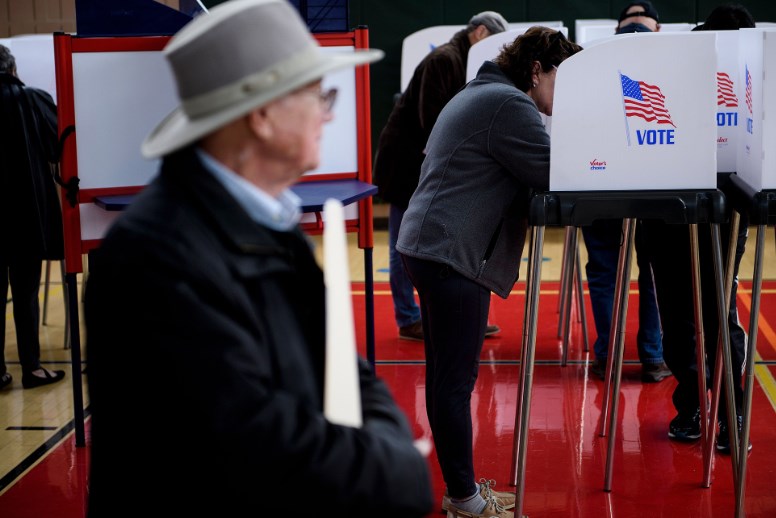
De Wouters pointed to the 2020 presidential election as an example. Approximately 900,000 Americans living overseas participated in that election, and their votes helped shape the outcome in several important states. Arizona and Georgia were particularly notable. Both states were won by Democratic candidate Joe Biden, but the margins of victory were smaller than the number of overseas ballots counted in each state. Arizona recorded 18,435 overseas ballots, while Georgia counted 18,475.
Biden’s winning margins were 10,457 votes in Arizona and 11,779 in Georgia. According to De Wouters, these figures demonstrate how Americans living abroad can contribute to determining election outcomes, especially in states where the competition is extremely close. That history encouraged Democrats Abroad in Belgium to motivate eligible American citizens to participate in the 2026 midterms. Even if overseas voters represent a relatively small portion of the electorate, their participation can become important when congressional races are decided by narrow margins.
The message was simple: living outside America does not mean giving up the right to influence its political future. For many expatriates, voting is also a way to remain connected to the country and express their opinions about its leadership.
2. Democrats Were Optimistic About Taking Control of Congress
As election day approached, polling suggested that Democrats had a strong opportunity to regain control of the House of Representatives. However, the Senate presented a considerably more difficult challenge. De Wouters believed that a Democratic victory in the House was highly likely. Based on the political projections available before voting, he anticipated that Democrats could gain between 15 and 30 seats. Such a result would represent a significant change in Washington’s political balance. If Democrats controlled the House, they would have greater authority to investigate the administration, challenge legislation, and scrutinize decisions made by the president and his officials.
The Senate race was less straightforward. Democrats needed to gain four additional seats to secure control of the chamber, making the competition more difficult than the battle for the House. Nevertheless, De Wouters believed that winning even one chamber would represent a meaningful victory. A Democratic-controlled House could create a stronger institutional check on Trump’s administration, making it harder for the president to advance his agenda without facing congressional opposition.
For Democrats Abroad in Belgium, the election was therefore about more than winning political seats. It was an opportunity to restore a degree of balance within the federal government and increase oversight of presidential decisions. However, the organization was careful not to become overly confident. Previous American elections had demonstrated that polling predictions could be inaccurate, and unexpected developments could still influence the final outcome.
3. Voters Remained Cautious Despite Encouraging Polls
Although Democrats had reasons to feel optimistic, not everyone was convinced that the polling accurately reflected what would happen on election day. De Wouters acknowledged that previous elections had produced disappointing surprises for Democratic supporters. Polling organizations had sometimes underestimated Republican support, creating uncertainty about whether the party could translate favorable numbers into actual victories. Bianca Baumler, an American citizen and European Union public diplomacy consultant, shared similar concerns. She explained that she did not want to experience the same disappointment she had felt during previous elections when Trump emerged victorious.
Her cautious attitude reflected the feelings of many Americans who were closely watching the political situation from abroad. Even when polls suggested a favorable outcome, there was no guarantee that voters would behave exactly as predicted. Baumler nevertheless believed that the 2026 election offered a better political outlook than the previous two years. She saw the possibility of Democratic gains as an encouraging development, although she remained realistic about what those results could actually accomplish.
Her perspective also highlighted an important difference between Americans living in the United States and those who had moved overseas. While expatriates may be concerned about democracy and America’s international reputation, people living inside the country must deal directly with the consequences of government policies. That difference became particularly clear when Baumler discussed healthcare, one of the issues influencing American political debates.
4. Healthcare and Trump’s Leadership Were Major Concerns
For Baumler, the election was about more than political competition between Republicans and Democrats. She was particularly concerned about the millions of Americans who were experiencing difficulties accessing healthcare.
She pointed out that the possibility of people losing their health coverage was deeply troubling. From a European perspective, where healthcare systems generally provide broader access to medical services, the American situation can be difficult to understand.
Healthcare has long been a major political issue in the United States, with disagreements over insurance coverage, government spending, affordability, and access to medical treatment. For many voters, these concerns have a direct impact on household finances and everyday life.
Baumler believed that Democratic victories in one or both chambers of Congress could make it considerably more difficult for Trump to continue implementing his policies without opposition.
However, she also recognized that the election would not immediately change everything. Even if Democrats regained control of Congress, Trump would remain president, meaning his administration would continue directing the country’s executive policies.
This distinction was particularly important for European observers. A change in congressional control could influence American domestic politics, but it would not automatically transform the country’s international relationships or reverse decisions already made by the White House.
Still, Baumler believed a Democratic victory would carry considerable symbolic importance. It would demonstrate that Trump’s actions did not necessarily enjoy majority support among American voters.
5. The Election Also Matters for America’s International Reputation
The 2026 midterms were being watched closely in Europe because American political decisions frequently have consequences beyond the country’s borders. For European governments, Washington remains an important partner in security, diplomacy, trade, and international cooperation. Changes in American political leadership can influence relationships with NATO allies, European institutions, and other countries around the world.
Americans living in Belgium therefore had another reason to follow the election. They understood that the results could affect how the United States was perceived internationally and how its government approached important global issues. Nevertheless, Baumler explained that the immediate consequences for policymakers in Brussels might be limited. Regardless of whether Democrats won one or both chambers, Trump would remain in the White House. That means European leaders would still need to work with the same American administration, even if its ability to pass legislation became more restricted.
The election could nevertheless influence international perceptions of American politics. A strong Democratic performance would indicate that voters were willing to challenge the president’s direction, potentially offering reassurance to international partners concerned about the administration’s decisions. At the same time, it would not erase the political divisions that have shaped the United States in recent years. US voters in Belgium weigh in on midterm elections seen as referendum on Trump
6. Americans Abroad Prepared to Watch the Results Together
As election day approached, Americans in Belgium were preparing to follow the results despite the time difference between Europe and the United States. De Wouters explained that people hoping to stay awake for the results should not expect everything to become clear immediately. Unlike presidential elections, where state-by-state results often receive extensive attention throughout election night, congressional races can take longer to resolve.
Approximately 40 million Americans had already cast their ballots by the end of early voting in most states the previous Friday. However, several important contests were expected to remain uncertain until additional votes were counted. Democrats Abroad in Belgium also planned events in Brussels and Ghent for Wednesday, November 4, giving American expatriates an opportunity to follow the results together. US voters in Belgium weigh in on midterm elections seen as referendum on Trump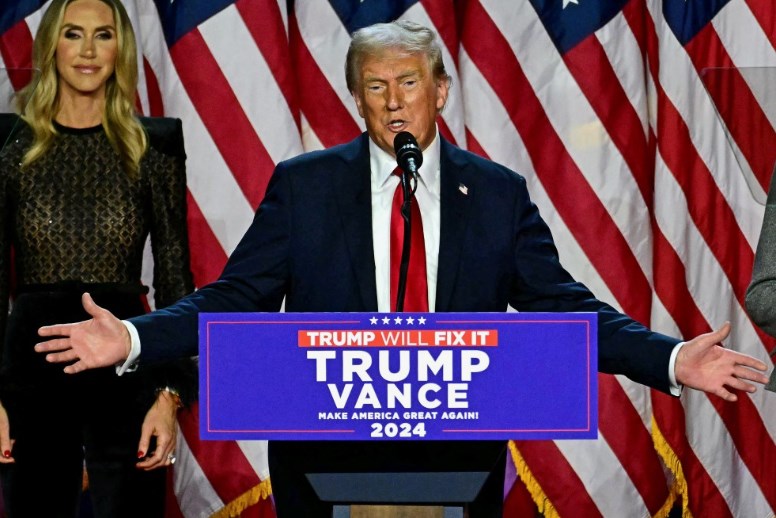
De Wouters expressed hope that the gatherings would become celebrations of Democratic success, although he joked that people would be drinking regardless of the outcome. The events reflected how American political life continues to connect citizens even when they live far from home. For many expatriates, election night is not simply about watching television coverage. It is an opportunity to discuss the country’s future and share concerns with people who understand their experiences.
Conclusion
The 2026 US midterm elections represented an important moment for Americans living in Belgium and millions of voters across the United States. With control of Congress at stake, the results had the potential to reshape Trump’s remaining years in office and influence the direction of American politics.
For Robin De Wouters and Bianca Baumler, the election was about democracy, accountability, healthcare, and the country’s international standing. Although their perspectives were not identical, both recognized that the outcome could have significant consequences.
Their comments also highlighted an important point: American citizenship does not lose its meaning simply because someone moves overseas. Through absentee voting and political engagement, expatriates can continue participating in decisions that affect their homeland.
Ultimately, the midterms were more than a contest between two political parties. They were an opportunity for Americans to express how they felt about Trump’s presidency and decide how much political power his administration should retain. For those watching from Belgium, the stakes were just as meaningful, even if the polling stations were thousands of miles away.
About the Author