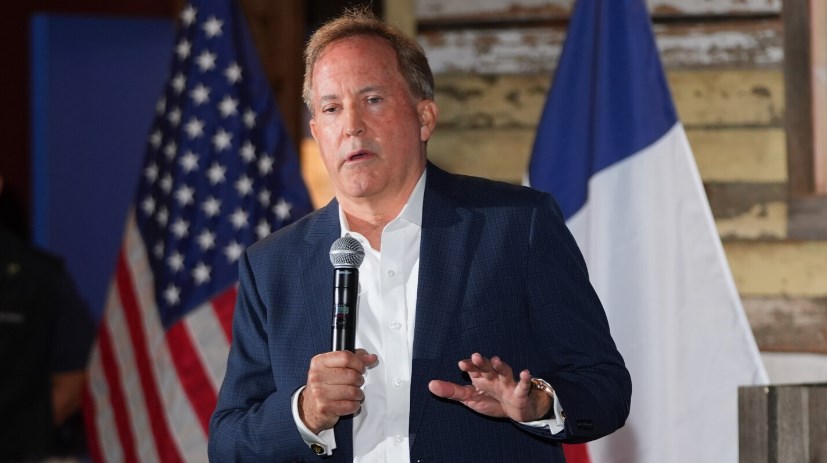
Ken Paxton could cost Republicans $100 million – Republicans have spent enormous amounts of money trying to protect their political position in Texas, but their investment in Ken Paxton has turned into a costly setback. The Republican attorney general entered the 2026 U.S. Senate race with strong support from Donald Trump and influential conservative donors. However, his campaign ultimately failed to defeat Democrat James Talarico, leaving Republicans facing difficult questions about their candidate selection, campaign strategy, and spending priorities.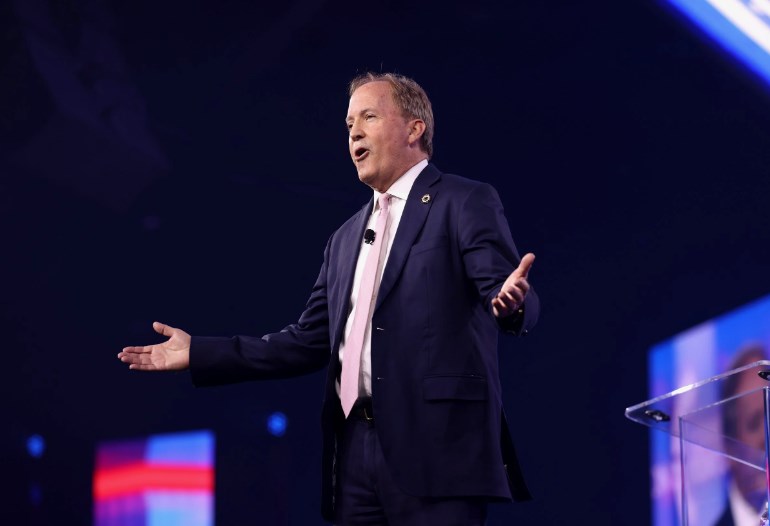
What initially appeared to be a race Republicans should have been able to defend became one of the most expensive political contests in American history. The Senate Leadership Fund, a major Republican-aligned political organization, committed approximately $100 million to advertising supporting Paxton. Additional conservative groups and wealthy donors poured hundreds of millions of dollars into the contest.
The financial commitment was enormous, particularly because Texas has traditionally been considered a Republican stronghold. Republicans had not lost a U.S. Senate election in the state in decades, making the possibility of a Democratic victory difficult for party leaders to accept. But the election delivered a different outcome. Talarico defeated Paxton, giving Democrats a historic victory in Texas and demonstrating that enormous campaign spending does not necessarily translate into electoral success.
Why Republicans Were Worried About Ken Paxton
Ken Paxton entered the Republican Senate primary as a prominent conservative figure with considerable name recognition and strong connections to Trump’s political movement. His reputation among conservative voters helped him defeat longtime Republican Senator John Cornyn in the party’s nomination contest. However, Republican leaders had reservations about whether Paxton could compete effectively in a general election.
His political and legal controversies had become major campaign issues. Paxton faced a securities-fraud indictment, an impeachment trial in the Texas Legislature, and a federal corruption investigation that ultimately ended without charges. Although he maintained support among many conservative voters, these controversies created concerns about his ability to attract independents and moderate Republicans.
Senate Republican leaders had previously supported Cornyn because they believed he would be a safer candidate for the general election. They also worried that a Paxton nomination would require substantial financial resources that could otherwise be used in competitive Senate races elsewhere. Those concerns eventually became a major part of the 2026 election story. Republicans found themselves investing heavily in a race they had originally hoped would not require such an extraordinary financial commitment.
The $100 Million Republican Advertising Commitment
The scale of Republican spending became particularly clear in September, when the Senate Leadership Fund announced a major expansion of its advertising operation supporting Paxton. The organization increased its planned Texas advertising investment to approximately $100 million. This included an additional $30 million commitment through an affiliated entity known as Texas PAC. The decision reflected growing concern among Republican strategists about Paxton’s position against Talarico.
According to reporting by The Texas Tribune, Republican leaders had previously estimated that supporting Paxton could require between $200 million and $250 million to protect the Senate seat. The $100 million commitment was therefore only part of a much larger financial operation surrounding the race. Other conservative organizations also invested heavily. MAGA Inc., the political organization connected to Trump’s movement, contributed advertising support, while billionaire Elon Musk became one of the most significant financial backers of the Republican effort.
Musk’s contributions helped provide Republican groups with additional resources to compete against Talarico’s advertising campaign. The spending eventually reached extraordinary levels, making Texas one of the most expensive political battlegrounds of the entire election cycle.
Elon Musk’s Money Helped Fuel the Republican Rescue Mission
One of the most remarkable parts of the Paxton campaign was the involvement of Elon Musk. The billionaire businessman became a major financial supporter of Republican organizations attempting to keep the Texas Senate seat in GOP hands. Campaign finance disclosures reported by The Texas Tribune showed that Musk contributed approximately $158 million to the Senate Leadership Fund during the campaign’s critical period.
Those contributions helped Republican-aligned groups dramatically increase their advertising activity. After months of allowing Talarico to dominate television and digital advertising, Republican organizations launched an aggressive campaign to change the political conversation. Their advertisements promoted Paxton’s conservative record while attacking Talarico’s political positions.
Some advertisements focused on cultural issues, portraying the Democratic candidate as too liberal for Texas. Others attempted to connect him with positions that Republican strategists believed could create concerns among conservative and independent voters. However, the advertising strategy faced a difficult challenge. Talarico had already built substantial name recognition and developed a campaign message centered on affordability, economic concerns, and political accountability. Ken Paxton could cost Republicans $100 million
Despite the enormous financial support behind Paxton, the Republican campaign could not overcome the Democratic candidate’s momentum. The result raised another important question about modern political campaigns: how much influence can wealthy donors and outside spending groups actually have when voters have already formed strong opinions about the candidates?
James Talarico Turned the Expensive Race Into a Democratic Victory
James Talarico’s campaign followed a different approach from the Republican strategy. Rather than making the election exclusively about national political divisions, the Democratic candidate emphasized issues that affected ordinary Texans. Affordability, economic opportunity, healthcare, and concerns about political corruption became central themes of his campaign.
Talarico also demonstrated impressive fundraising capabilities. His campaign raised approximately $145 million from individual donors, significantly exceeding Paxton’s reported $22 million in direct campaign fundraising. That financial advantage helped him establish a strong presence before Republican outside groups dramatically increased their spending.
The contrast between the two campaigns became increasingly visible. Republican organizations spent heavily on advertisements supporting Paxton and criticizing Talarico, while the Democratic candidate attempted to maintain a message focused on everyday economic concerns. The strategy ultimately delivered an important breakthrough. On November 3, 2026, Talarico defeated Paxton in the Texas Senate election, ending a 38-year period without a Democratic U.S. senator from the state.
His victory represented a major political development for Democrats and created serious consequences for Republican efforts to maintain their Senate majority. The result also demonstrated that Texas voters could not simply be viewed through the lens of traditional Republican political advantages.
Why the $100 Million Matters Beyond Texas
The Republican financial commitment to Paxton was significant not only because of its size but also because of the broader political resources involved. Political organizations have limited amounts of money, even when supported by wealthy donors. Every major financial commitment requires decisions about where resources should be directed. Before Paxton secured the Republican nomination, party strategists had hoped to avoid spending enormous sums defending Texas. They believed Cornyn would offer a more financially efficient path to protecting the seat.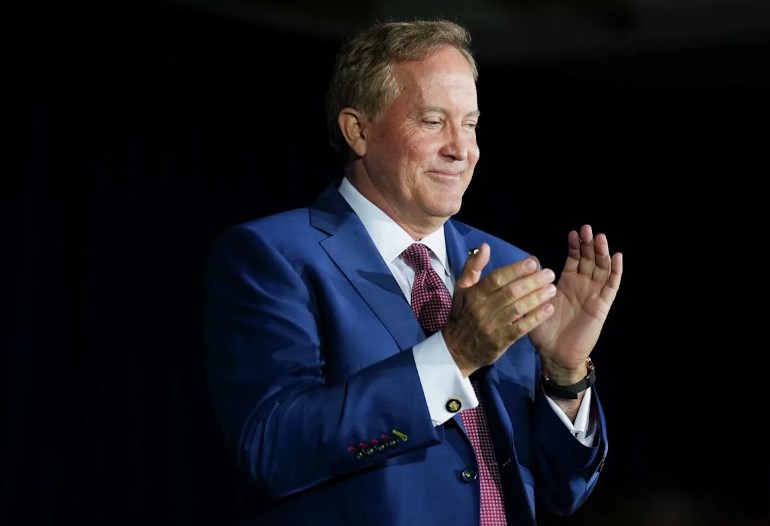
Instead, Paxton’s nomination created a much more expensive contest. The approximately $100 million advertising commitment from the Senate Leadership Fund illustrates how seriously Republican leaders viewed the threat. Additional spending from other conservative organizations pushed the overall financial commitment much higher. According to KSAT reporting based on AdImpact data, total advertising spending connected to the Paxton-Talarico contest reached approximately $573.2 million across the primary and general election campaigns.
That figure placed the contest among the most expensive nonpresidential political races in American history. For Republicans, the final outcome makes the spending particularly difficult to explain to supporters. Despite investing enormous resources, the party lost a Senate seat in a state it had long considered reliably Republican. Ken Paxton could cost Republicans $100 million
What Paxton’s Defeat Means for the Republican Party
The defeat creates difficult questions for Republican leadership, particularly regarding candidate selection and the influence of Trump’s political endorsements. Paxton received strong support from Trump, whose involvement helped shape the Republican primary. However, the general election demonstrated that winning a party nomination and appealing to a broader electorate are two very different challenges.
Republican leaders must now consider whether their approach to selecting candidates needs to change. A candidate who generates enthusiasm among the party’s most committed supporters may still struggle to attract independent voters. The results could also influence future decisions about campaign spending. Republican strategists may become more cautious about committing enormous sums to defend candidates whose political controversies create additional challenges.
For Democrats, Talarico’s victory offers an opportunity to strengthen their position in a state that has long been central to Republican electoral strategy. It also gives the party a significant example of how economic messaging, fundraising, and voter outreach can combine to produce an unexpected result. Ultimately, Ken Paxton’s Senate campaign became much more than an expensive political contest. It exposed disagreements within Republican leadership, highlighted the growing influence of wealthy political donors, and demonstrated the limits of advertising spending.
The approximately $100 million commitment from Republican Senate leadership was intended to help protect a valuable seat. Instead, Paxton’s defeat turned that investment into a central talking point about the financial and political consequences of the 2026 midterms. For Republicans, the lesson is difficult but important: money can purchase advertising, expand campaign operations, and generate attention, but it cannot guarantee that voters will support a particular candidate. Texas has delivered a historic result, and the financial consequences of the Paxton campaign will likely remain part of the Republican Party’s political debate long after the election. Ken Paxton could cost Republicans $100 million
About the Author