A midterm election defeat too overwhelming for Trump to challenge? – The 2026 US midterm elections have delivered a political shock to Washington. Democrats have secured control of both the House of Representatives and the Senate, turning what was expected to be a difficult election for Republicans into a sweeping defeat for President Donald Trump and his party. The results represent more than a temporary setback. They raise serious questions about Trump’s political influence, the direction of the Republican Party, and how much power the president will retain during the final two years of his term.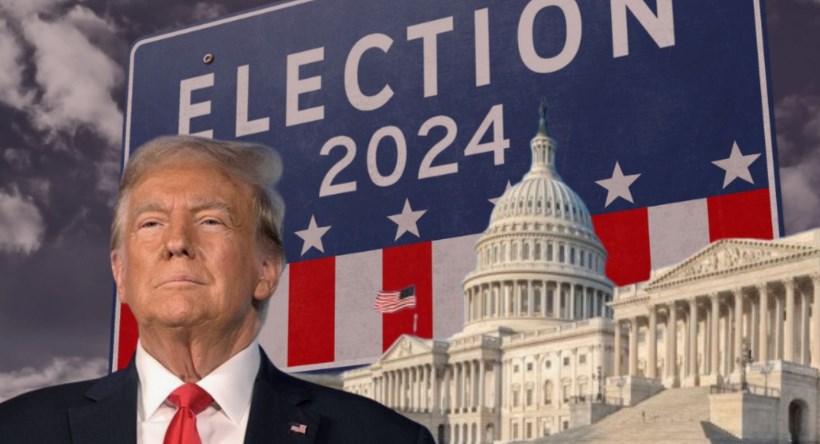
For a president who has made political strength and electoral victories central to his public image, the outcome is particularly damaging. Republicans entered the election hoping to maintain their congressional advantages and protect Trump’s legislative priorities. Instead, Democrats made significant gains, including in states that had strongly supported Trump in 2024. With both chambers now under Democratic control, the question is no longer simply whether Trump can recover politically. It is whether the scale of the defeat leaves him with any realistic way to challenge the result or prevent its consequences.
A Historic Setback for Trump and Republicans
The scale of the Democratic victory makes the 2026 midterms an unusually difficult election for the Republican Party to explain away. Democrats captured control of the Senate while gaining at least 30 seats in the House, according to Reuters reporting on the election. Their victories in traditionally Republican territory demonstrated that dissatisfaction with the administration had reached beyond the usual Democratic strongholds. The results also gave Democrats control of both chambers for the first time during Trump’s second presidency.
Several factors contributed to the Republican collapse. Economic concerns were especially important, with voters expressing frustration over the cost of living, energy prices, and the broader effects of the administration’s policies. The US-Iran war also became a significant political issue, particularly as its consequences contributed to concerns about household expenses. For many voters, the election provided an opportunity to express dissatisfaction with the direction of the country without waiting for the next presidential contest.
The outcome was also a warning about the limits of Trump’s influence over Republican candidates. His endorsements and campaigning did not guarantee victories, even in races where Republican candidates might previously have expected strong support. A Guardian analysis reported that numerous Trump-backed candidates lost, including several prominent contests. That result could encourage Republicans to reconsider how closely they want to associate themselves with the president when planning future campaigns.
Why Challenging the Results May Be Difficult
Trump has a history of questioning election outcomes when the results do not go his way. That history naturally raises questions about whether he might attempt to challenge the 2026 midterm results. However, a political defeat and a legally contestable election are two different things. A candidate or political party can criticize the outcome, question particular procedures, or request recounts where permitted. But overturning certified results requires specific legal grounds and credible evidence of problems significant enough to affect the outcome. A midterm election defeat too overwhelming for Trump to challenge?
The size and breadth of the Democratic victories could make a sweeping challenge especially difficult. Democrats did not win just one closely contested race. They gained ground across multiple states and congressional districts, producing a change in control in both chambers. Any legal challenge would need to address the evidence and procedures in individual contests rather than rely on general claims that the overall result was unfair.
There is also an important distinction between challenging election administration and refusing to accept an unfavorable political message. A campaign may raise legitimate questions about ballot counting, voter eligibility, or local procedures. Those concerns should be examined through established legal channels. But broad accusations without supporting evidence are unlikely to change the outcome. The more decisive the results become through certification and official reviews, the harder it will be to make a credible case for reversing them.
Democrats Now Have the Power to Investigate the Administration
The biggest immediate consequence of the election is the change in Congress. With Democrats controlling both chambers, Trump will face a much more difficult legislative environment. Republican lawmakers can no longer rely on unified control of Congress to move the president’s agenda forward. Democratic leaders will have the opportunity to block proposals, demand changes to legislation, and use congressional committees to scrutinize the administration.
Oversight could become one of the central political battles of the next two years. Democratic lawmakers have already signaled that they intend to investigate administration policies and decisions. Possible areas of attention include the handling of the Iran conflict, federal spending, government appointments, and questions surrounding the president’s conduct in office. Investigations could generate hearings, document requests, and public testimony that keep the administration under pressure.
However, congressional control does not mean Democrats can automatically enact every policy they support. Trump remains president and retains the power to veto legislation. Overriding a presidential veto requires a two-thirds majority in both chambers, a much higher threshold than a normal legislative vote. This means the new Congress could produce considerable political conflict even when neither side has enough support to achieve everything it wants.
The result is likely to be a period of negotiation, confrontation, and possible government deadlock. Democrats can use their majorities to challenge Trump’s agenda, but they will also have to demonstrate that they can govern effectively rather than simply oppose the president.
The Republican Party Faces a Difficult Choice
The election has also created a serious dilemma for Republicans. Trump remains the most influential figure in the party, but the midterm results have raised questions about whether his political approach is helping or hurting Republican candidates. Some lawmakers may continue to defend him, arguing that the party should remain united and avoid giving Democrats additional opportunities to divide the Republican base.
Others may decide that the results demand a different strategy. Republican candidates in competitive states and districts could become more cautious about embracing Trump’s most controversial positions. They may instead focus on economic concerns, local issues, and policies that appeal to voters who have become dissatisfied with the administration. A midterm election defeat too overwhelming for Trump to challenge?
This debate could become increasingly important as Republicans begin considering the 2028 presidential election. Potential candidates will need to decide whether they should seek Trump’s endorsement, distance themselves from his record, or attempt to build a political identity that combines his supporters with voters who want a change in direction.
The defeats of Trump-backed candidates may also weaken the argument that his endorsement is essential for Republican success. If candidates lose despite receiving his support, party leaders may become more willing to question his political judgment. At the same time, Trump still has a loyal following, meaning any attempt to move away from him could create divisions within the party.
Can Trump Recover Before the 2028 Election?
A major midterm defeat does not automatically end a president’s political influence. Trump still has two years remaining in office, and his administration will continue to control the executive branch. He can use that period to focus on policies that appeal to voters, attempt to improve economic conditions, and argue that Democrats are responsible for congressional obstruction.
The administration’s ability to respond to economic concerns will be particularly important. If household costs remain a major source of frustration, Republican leaders may struggle to convince voters that the party has learned from the election. On the other hand, improvements in employment, prices, or energy costs could give Trump an opportunity to rebuild some public support.
Democrats will face their own challenges. Taking control of Congress brings responsibility as well as political power. Voters who supported Democratic candidates because they were unhappy with Trump will expect the new majority to produce meaningful results. If Democrats become consumed by partisan disputes or fail to address everyday economic concerns, their political advantage could weaken before 2028. The next two years will therefore test both parties. Trump will need to govern with a Congress controlled by his opponents, while Democrats must prove they can turn an electoral victory into effective leadership.
A Defeat That Cannot Easily Be Erased
The 2026 midterm results represent a major turning point in Trump’s second presidency. Democrats have taken control of both chambers, won important races in Republican-leaning states, and demonstrated that dissatisfaction with the administration extends beyond traditional Democratic areas. The outcome is a clear political warning that cannot be dismissed simply as an ordinary midterm setback.
Could Trump challenge the results? He can criticize individual races, support legal reviews where legitimate grounds exist, and continue making his political case to voters. But a nationwide effort to overturn a broad set of Democratic victories would face substantial legal and practical obstacles without convincing evidence of widespread irregularities.
More importantly, challenging the outcome would not solve the problems that contributed to the Republican defeat. Voters expressed concerns about the economy, the cost of living, and the administration’s handling of major national issues. Those concerns will remain central to American politics regardless of how Trump responds.
For now, the president faces a difficult reality: Democrats have secured the congressional power to challenge his agenda, investigate his administration, and shape the political debate leading up to 2028. The election cannot simply be undone. Trump’s most realistic path forward is to respond to the reasons voters turned against his party and convince Americans that his remaining time in office can deliver better results. A midterm election defeat too overwhelming for Trump to challenge?
About the Author