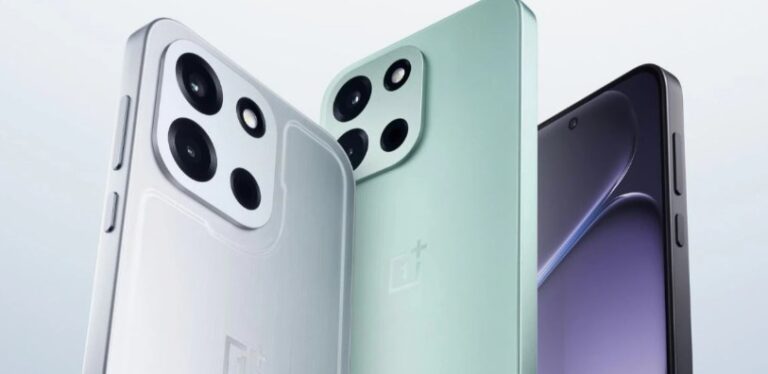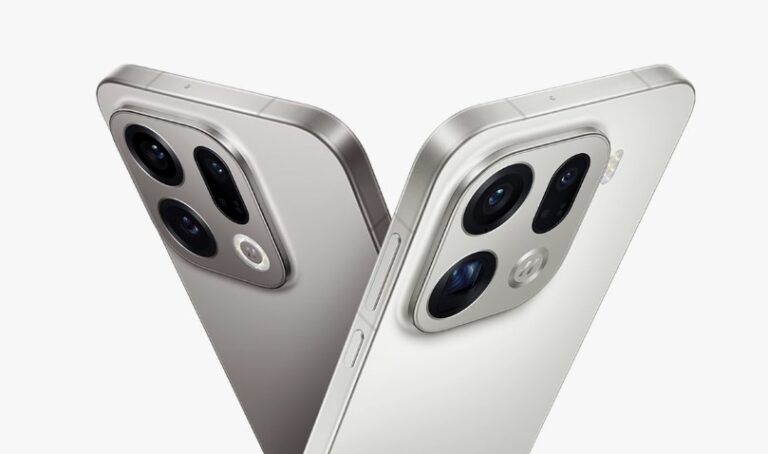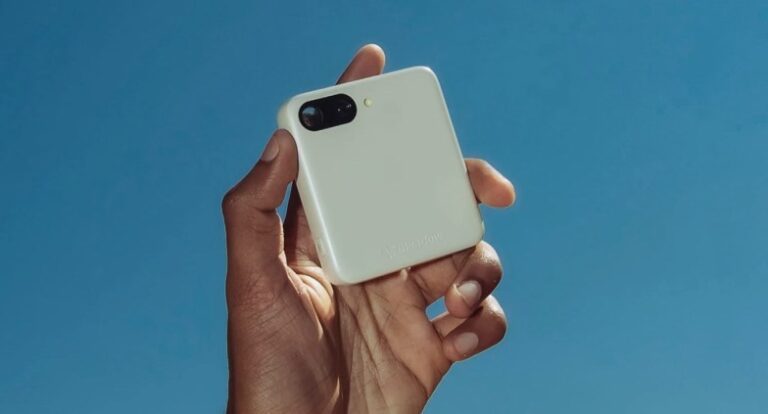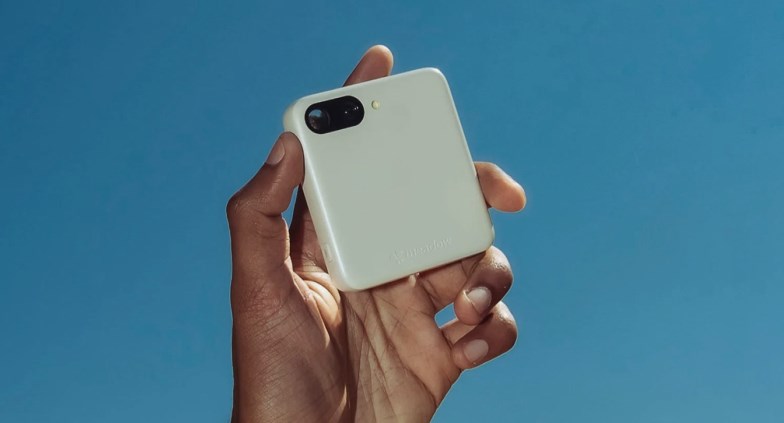
‘This tiny Android phone brings back two features we thought were gone for good – Smartphones have become increasingly powerful over the years, but that progress has also come with a few compromises. Modern Android phones offer enormous displays, impressive cameras, faster processors, and batteries designed to last throughout the day. However, manufacturers have gradually removed some features that once made smartphones more convenient and enjoyable to use. Physical keyboards, compact designs, headphone jacks, and removable storage have become increasingly uncommon, leaving many users wishing for a simpler alternative.
Now, a tiny Android phone is attracting attention by bringing back two features that many people thought had disappeared for good. Instead of following the industry’s obsession with larger displays and minimalist hardware, this unusual device takes a different approach. It focuses on portability and practical features that can make everyday smartphone use more comfortable.
The device represents an interesting alternative for people who are tired of carrying oversized phones. While its compact dimensions naturally involve some compromises, its return to older smartphone conveniences could make it appealing to a surprisingly large audience. The idea also raises an important question: have smartphone manufacturers abandoned certain features too quickly? As consumers increasingly look for devices that offer something different, a small Android phone with familiar hardware could remind the industry that innovation does not always mean removing everything that came before.
1. A Compact Android Phone in an Industry Obsessed With Bigger Displays
One of the biggest changes in the smartphone market over the past decade has been the steady increase in screen sizes. Phones that once featured displays measuring around four inches have gradually been replaced by devices with screens measuring six inches or more. Although larger displays are excellent for watching videos, playing games, and multitasking, they are not necessarily ideal for everyone. Some users prefer smartphones that can comfortably fit inside a pocket and remain easy to operate with one hand.
This tiny Android phone takes advantage of that preference by offering a considerably smaller design than most modern devices. Its compact construction makes it easier to carry around, particularly for people who dislike bulky smartphones that take up too much space. A smaller body can also make everyday interactions more convenient. Answering calls, checking notifications, and quickly responding to messages can feel more manageable when the entire device fits comfortably in one hand.
However, compact smartphones naturally come with certain limitations. A smaller display provides less room for typing, reading, and watching content. People who regularly play demanding mobile games or spend hours streaming videos may still prefer traditional flagship phones. Nevertheless, the device offers an interesting reminder that smartphone design does not have to follow a single direction. There is still room for smaller products that prioritize convenience over screen size.
2. Bringing Back the Headphone Jack
One of the most recognizable features disappearing from modern smartphones is the traditional 3.5mm headphone jack. Several years ago, nearly every Android phone included this familiar connection, allowing users to plug in wired headphones without needing adapters or additional accessories. Today, the situation is very different. Many manufacturers have removed the headphone jack to create slimmer designs, improve internal space management, or encourage consumers to use wireless audio products. ‘This tiny Android phone brings back two features we thought were gone for good
However, not everyone is happy with that decision. Wireless headphones are convenient, but they require regular charging and introduce another battery-powered accessory that users must remember to carry. A traditional headphone jack solves several of these problems. Users can connect their favorite wired headphones immediately without worrying about battery levels, Bluetooth pairing, or connection interruptions.
It is also an attractive option for people who already own expensive wired headphones. Instead of purchasing new wireless equipment, they can continue using accessories they have trusted for years. For travelers, students, and people who frequently listen to music, having a built-in headphone jack can make a meaningful difference. Wired headphones are particularly useful when charging wireless accessories is inconvenient. The return of this feature also highlights how consumer preferences can differ from manufacturers’ expectations. Although wireless audio has become increasingly popular, there remains a market for simple wired connections.
3. Expandable Storage Makes a Welcome Return
Another feature that has gradually disappeared from many premium smartphones is expandable storage. MicroSD card slots were once common across Android devices, allowing users to increase available storage without purchasing a more expensive configuration. Unfortunately, manufacturers have increasingly moved toward fixed internal storage. While faster internal memory offers excellent performance, buyers must carefully consider their storage requirements before purchasing a phone.
A compact Android device that brings back expandable storage offers a practical alternative. Instead of relying entirely on the storage capacity built into the phone, users can potentially add a compatible microSD card when they need additional space. This is particularly useful for people who take plenty of photographs, download music, save offline videos, or keep large collections of documents on their devices.
Expandable storage can also help reduce the pressure to purchase expensive high-capacity models. Someone who initially needs only a modest amount of storage can increase capacity later rather than paying more upfront.There are, of course, limitations. MicroSD cards do not always match the speed of modern internal storage, and application installation support depends on the phone’s software and configuration. Still, the flexibility is valuable. For users who remember the convenience of adding a memory card whenever storage became limited, its return could be one of the device’s most attractive features.
4. Android Software Keeps the Experience Familiar
Hardware might be the biggest attraction, but software remains an important part of any smartphone experience. A compact Android phone needs to provide more than unusual physical features if it wants to become a practical everyday device. Android offers considerable flexibility, including access to millions of applications, customization options, notification controls, and multitasking features. Users can personalize their home screens, install their preferred applications, and organize their devices according to their needs.
On a smaller display, software optimization becomes particularly important. Applications need to remain readable, buttons should be easy to access, and menus should not feel unnecessarily crowded. A well-optimized Android interface can help compensate for the physical limitations of a tiny screen. Users can still communicate through messaging applications, browse websites, check emails, and access social media without carrying a larger device.
However, buyers should pay attention to the phone’s Android version and software update policy. A device can have interesting hardware features but become less appealing if its manufacturer provides limited security updates or fails to maintain application compatibility. Performance also matters. Compact smartphones sometimes use entry-level or midrange processors to control costs and power consumption. These chips can handle everyday tasks, but users should not automatically expect flagship-level gaming or multitasking performance. The best experience will depend on finding a balance between software optimization, processor capability, and the device’s physical design.
5. The Trade-Offs of Choosing a Tiny Smartphone
Although a small Android phone with familiar features sounds appealing, buyers should understand that compactness comes with compromises. Battery capacity is one of the biggest concerns. Smaller devices have less physical space for large batteries, meaning they may struggle to match the endurance of modern smartphones with capacities exceeding 5,000mAh. The display can also become a limitation during extended use. Reading lengthy articles, editing documents, watching movies, and navigating complicated applications are generally more comfortable on larger screens.
Camera performance is another area worth considering. A smaller body can limit the space available for advanced camera hardware, although software processing and sensor quality can still produce respectable results. Performance should also be evaluated carefully. If the phone is designed primarily for basic communication and everyday tasks, its hardware may be perfectly adequate. However, people who regularly edit videos, play demanding games, or run several applications simultaneously may find it restrictive.
Software support, repairability, network compatibility, and charging speed are additional factors buyers should investigate before making a decision. Ultimately, the device should be viewed as an alternative to conventional smartphones rather than a direct replacement for every flagship model.
6. Why Smartphone Manufacturers Should Pay Attention
The popularity of unusual compact smartphones could encourage manufacturers to reconsider some of their design decisions. For years, the industry has largely focused on making devices thinner, faster, and more visually impressive. That approach has produced remarkable improvements, but it has also reduced the variety of available hardware features. Consumers who want headphone jacks, expandable storage, physical controls, or genuinely compact dimensions often have fewer options than they did in the past.
A device that restores these conveniences demonstrates that older features are not necessarily outdated. Sometimes they disappear because manufacturers prioritize particular design trends rather than because consumers no longer need them. There is also an opportunity for companies to target people who want a secondary smartphone. A tiny Android phone could work well as a travel device, a backup communication tool, or a simpler alternative for people who want to spend less time using large screens.
Its success will ultimately depend on pricing, performance, reliability, and software support. Nostalgia alone cannot make a smartphone competitive, especially in a market where consumers expect modern connectivity and dependable battery life. ‘This tiny Android phone brings back two features we thought were gone for good
Conclusion
This tiny Android phone offers an interesting reminder that smartphone innovation does not always require removing familiar features. By bringing back conveniences such as the traditional headphone jack and expandable storage, it challenges the idea that every modern smartphone needs to follow the same design philosophy. Its compact dimensions also provide an appealing alternative for people who miss smaller devices that are comfortable to carry and operate with one hand. ‘This tiny Android phone brings back two features we thought were gone for good
Of course, buyers will still need to consider limitations involving battery life, display size, performance, and software support. A tiny phone cannot automatically replace a full-sized flagship, particularly for users who depend on advanced cameras and demanding applications. Nevertheless, the device highlights an important opportunity for the Android market. Consumers have different priorities, and not everyone wants the biggest screen or the most expensive specifications. Sometimes, what makes a smartphone exciting is not what manufacturers add, but what they bring back. For people who miss the practical features of older Android devices, this tiny phone could represent a refreshing change.
About the Author