US says it Is time to put its footprint back on Greenland
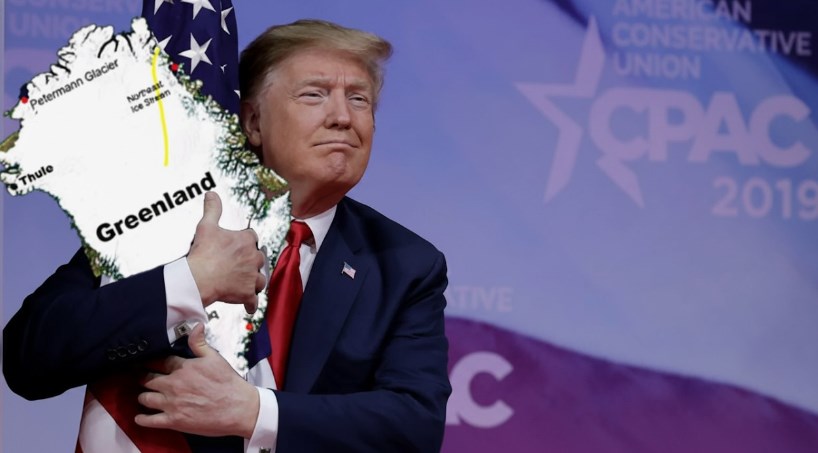
US says it Is time to put its footprint back on Greenland – The debate over Greenland’s strategic importance is once again taking center stage in American foreign policy. What was once seen as a remote Arctic territory with a tiny population is now being viewed by Washington as one of the most important geopolitical locations in the world. As global competition intensifies between the United States, China, and Russia, American officials are signaling that it may be time for the US to strengthen its presence in Greenland once again.
This renewed focus is not entirely new. Greenland has long occupied a unique place in US military and diplomatic strategy. During World War II and throughout the Cold War, the Arctic island served as a critical outpost for monitoring Soviet military movements and protecting North American security. Now, decades later, rising tensions in the Arctic are pushing Greenland back into the spotlight. American policymakers increasingly believe that the region’s importance goes far beyond defense. Greenland sits on valuable mineral reserves, emerging shipping lanes, and strategic military routes that could shape the balance of power in the coming decades. For the US, re-establishing a larger footprint there is becoming less about symbolism and more about national security, economics, and global influence.
Greenland, an autonomous territory within the Kingdom of Denmark, is geographically enormous despite its relatively small population. Covered mostly by ice, it occupies a vital position between North America and Europe. Its location gives it enormous strategic value for monitoring Arctic activity and controlling air and sea routes across the northern hemisphere. The Arctic itself is changing rapidly. Climate change is melting ice at unprecedented rates, opening previously inaccessible waterways and exposing untapped natural resources beneath the surface. Countries around the world are increasingly eyeing the Arctic for future economic opportunities. This includes rare earth minerals, oil, gas, and new trade routes that could significantly shorten shipping times between continents.
For the United States, these developments raise urgent concerns. Officials fear that if Washington does not strengthen its presence in Greenland, rival powers may step in to fill the gap. China has already shown growing interest in Arctic investments and infrastructure projects, while Russia continues expanding its military capabilities across the Arctic region. American leaders see Greenland as a key part of maintaining influence in the far north. Some officials argue that the US reduced its Arctic engagement for too long after the Cold War ended, leaving strategic openings that competitors are now eager to exploit. US says it Is time to put its footprint back on Greenland 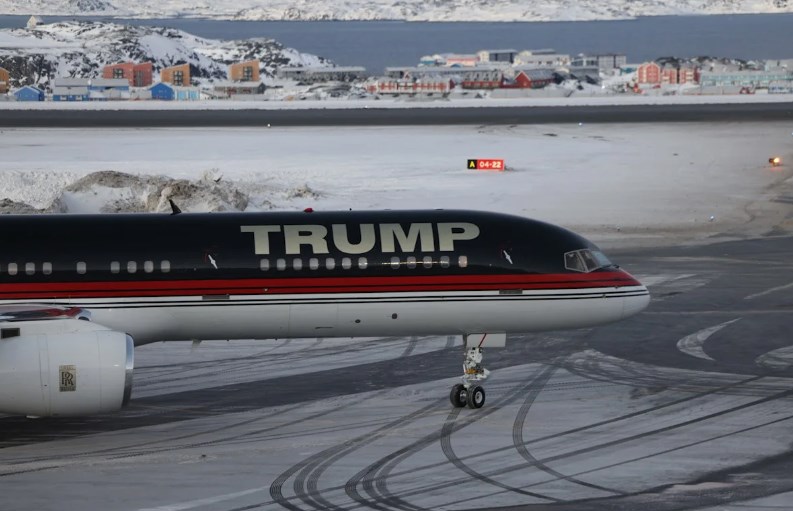
The most visible symbol of America’s historical presence in Greenland remains the Pituffik Space Base, formerly known as Thule Air Base. Located in northwest Greenland, the installation has been central to US missile warning systems and space surveillance operations for decades. It remains one of the northernmost American military installations in the world. However, many experts believe the current level of engagement may no longer be enough. With Arctic competition intensifying, calls are growing in Washington for expanded partnerships, infrastructure investments, and deeper cooperation with Greenlandic authorities.
The conversation surrounding Greenland became internationally famous in 2019 when then-President Donald Trump floated the idea of purchasing Greenland from Denmark. The proposal shocked many observers and was quickly rejected by both Danish and Greenlandic leaders. While the idea itself was widely criticized and even mocked, it unexpectedly highlighted Greenland’s growing geopolitical significance. Since then, the broader strategic logic behind America’s interest in Greenland has only strengthened. Even though buying Greenland is not a realistic option, US policymakers across party lines increasingly agree that the Arctic can no longer be treated as a secondary priority.
Beyond military concerns, Greenland’s vast natural resources are attracting major attention. The island is believed to contain large deposits of rare earth elements and critical minerals used in batteries, electronics, renewable energy technologies, and advanced defense systems. These resources are becoming increasingly valuable as countries race to secure supply chains for the industries of the future. China currently dominates much of the global rare earth market, and Western governments are looking for alternatives to reduce dependence on Beijing. Greenland’s mineral wealth could potentially play a major role in that effort.
Yet extracting those resources comes with challenges. Greenland’s harsh climate, limited infrastructure, and environmental sensitivities make large-scale mining projects difficult and controversial. Many Greenlanders are cautious about rapid industrial development, especially if it threatens the environment or traditional ways of life. Greenland’s leaders are also navigating a delicate balance between welcoming foreign investment and preserving political autonomy. While some residents support stronger economic ties with the United States, others fear becoming caught in a geopolitical tug-of-war between major powers.
For Denmark, Greenland remains a strategically important territory that carries both political and economic implications. Copenhagen has worked to strengthen Arctic cooperation with Washington while also supporting Greenland’s growing self-governance ambitions. At the same time, Greenland itself is increasingly asserting its own voice in international affairs. Local leaders want greater control over how foreign powers engage with the island and how its resources are developed. This means that any expanded American role will likely depend on careful diplomacy and long-term partnerships rather than unilateral decisions. US says it Is time to put its footprint back on Greenland
The Arctic is no longer viewed as a frozen frontier far removed from global politics. Instead, it is becoming one of the world’s most contested strategic regions. Nations are investing heavily in Arctic infrastructure, military capabilities, and scientific research as they prepare for a future shaped by changing climate conditions and shifting economic opportunities. For the United States, Greenland represents a crucial piece of that future. American officials believe a stronger presence there could help secure military advantages, protect emerging trade routes, strengthen alliances, and counter the growing influence of adversaries.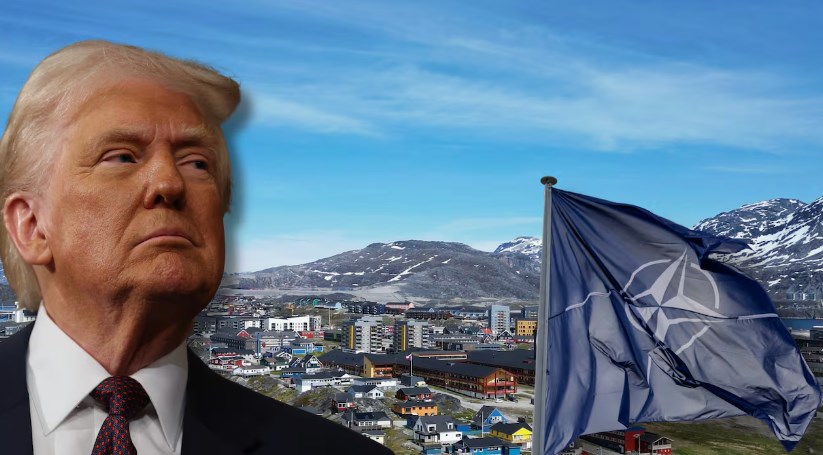
Still, rebuilding a larger footprint in Greenland will not happen overnight. It requires investments in infrastructure, diplomacy, environmental protections, and cooperation with both Denmark and Greenlandic authorities. Success will depend not only on strategic ambition but also on trust and mutual respect. What is clear, however, is that Greenland is no longer a distant afterthought in global affairs. The island has become a symbol of how climate change, geopolitics, and economic competition are reshaping the world map. As the Arctic grows more accessible and more contested, the United States appears determined to ensure it does not lose its place in one of the planet’s most important emerging frontiers. US says it Is time to put its footprint back on Greenland
About the Author