The Best Home Security System Is Modular – In today’s connected world, protecting your home is no longer just about locking the front door before bed. Families now face a growing range of concerns, from package theft and break-ins to smart device vulnerabilities and emergency situations. As technology continues to evolve, homeowners are discovering that the best home security system is not necessarily the most expensive or the most complicated.
Instead, the ideal system is modular — flexible enough to grow, adapt, and change according to individual needs. A modular home security system offers a smarter and more practical approach to home protection. Rather than forcing homeowners into one oversized package filled with unnecessary devices, modular systems allow people to build security step by step. This creates a personalized experience that balances safety, convenience, and affordability. The Best Home Security System Is Modular
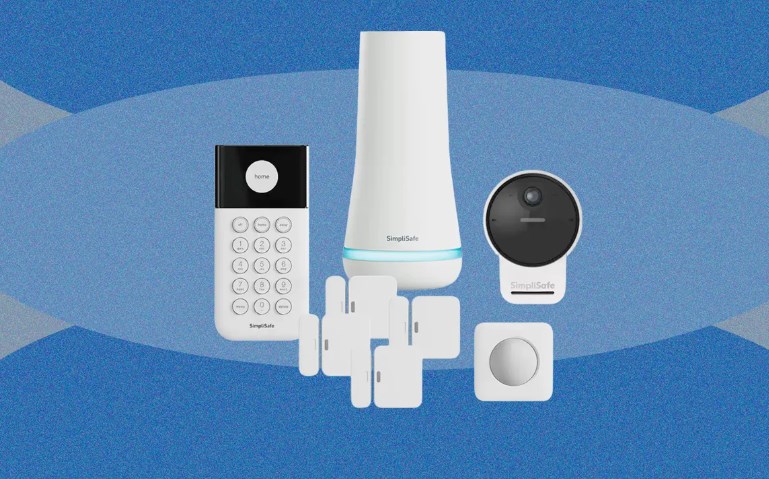
For many people, traditional home security systems used to feel intimidating. Installation often required drilling holes into walls, signing long-term contracts, and paying large upfront fees. Once installed, the system was difficult to upgrade or customize. Homeowners had little choice but to accept whatever package was offered. Modular systems completely changed that experience. Instead of buying a rigid, all-in-one setup, homeowners can now start with basic essentials like a smart hub, a door sensor, or a video doorbell. Over time, they can add more devices such as indoor cameras, outdoor floodlights, smoke detectors, glass-break sensors, or smart locks. This flexibility makes modern home security far more accessible for both homeowners and renters.
One of the biggest reasons modular systems are becoming so popular is affordability. Not everyone can spend thousands of dollars on a full professional security installation. A modular setup allows people to invest gradually. A family might begin with front-door monitoring and expand later as their budget allows. This approach also prevents waste. In traditional security bundles, users often paid for equipment they never actually used. Some homes may not need six indoor cameras or multiple motion detectors. With a modular system, every device serves a purpose chosen by the homeowner.
Another major advantage is adaptability. Every home is different. A small apartment in the city has very different security needs compared to a large suburban house or a rural property. A modular system can be tailored to fit each environment perfectly. For example, apartment dwellers may prioritize a smart doorbell camera and entry sensors. Families with large backyards may prefer outdoor surveillance cameras and motion-activated lights. Pet owners might need pet-friendly motion sensors that avoid false alarms. Parents may want indoor cameras to check on children after school, while frequent travelers may prioritize remote monitoring and automation.
A modular setup gives users control over how much security they want and where they want it. Technology integration is another reason modular systems stand out. Modern smart homes are becoming more connected every year. Many modular security platforms work seamlessly with voice assistants, smartphones, and home automation devices. Homeowners can lock doors remotely, receive real-time alerts, view live camera feeds, or automate lighting schedules directly from their phones. The Best Home Security System Is Modular
This convenience adds another layer of protection. If a homeowner receives a motion alert while away from home, they can instantly check the camera feed and respond if necessary. Some systems even allow two-way communication through doorbell cameras, helping homeowners interact with delivery drivers or deter suspicious visitors. The rise of package theft has also increased interest in modular security systems. Porch piracy has become a common issue in many neighborhoods, especially during holiday seasons. Video doorbells and smart cameras provide a simple but effective way to monitor deliveries and discourage thieves. Recorded footage can also help authorities identify suspects if incidents occur. Beyond crime prevention, modular systems also support home safety.
Many people focus only on intruders when discussing security, but emergencies such as fires, gas leaks, and water damage can be just as dangerous. Modular platforms often allow users to add smoke detectors, carbon monoxide sensors, flood sensors, and temperature monitors. This creates a more complete safety network inside the home. For example, a water leak sensor placed near a washing machine or under a sink can send an immediate alert before major damage occurs. Smoke alarms connected to a smart system can notify homeowners even when they are away, potentially saving lives and property. Ease of installation is another major selling point.
Many modular systems are designed for simple DIY installation. Wireless sensors, battery-powered devices, and mobile app setup mean homeowners often do not need professional technicians. This reduces costs while making the process less stressful. Renters especially benefit from this flexibility because many modular systems can move with them. Instead of leaving behind expensive installed equipment, users can simply pack their devices and reinstall them in a new home.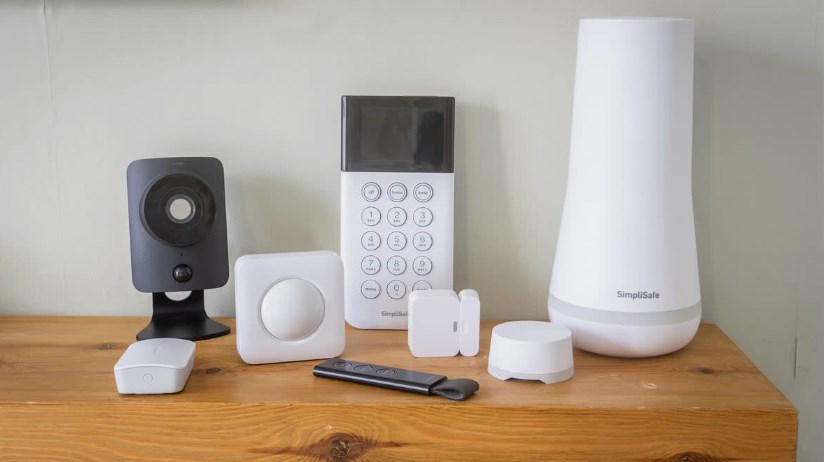
Privacy, however, remains an important topic in the smart security industry. As more devices connect to the internet, concerns about hacking and data protection continue to grow. Choosing trusted brands with strong encryption, regular software updates, and transparent privacy policies is essential. Homeowners should also take basic cybersecurity precautions. Using strong passwords, enabling two-factor authentication, and updating devices regularly can significantly reduce security risks. A smart home should never become an easy target for cybercriminals. Another strength of modular systems is future-proofing. The Best Home Security System Is Modular
Technology evolves quickly. Cameras improve, sensors become smarter, and artificial intelligence continues to enhance threat detection. With modular systems, homeowners are not locked into outdated hardware forever. They can upgrade individual devices without replacing the entire system. This flexibility is especially valuable as AI-powered features become more common. Some advanced cameras can now distinguish between people, pets, vehicles, and packages, reducing unnecessary alerts. Facial recognition and smart activity zones are also improving the accuracy of modern security systems.
Professional monitoring is another option many modular systems offer. While some users prefer self-monitoring through mobile apps, others want the reassurance of a professional security team that can contact emergency services during an incident. Modular platforms often let homeowners choose between these options without forcing long-term commitments. This freedom gives users more control over monthly costs and service levels. Ultimately, the growing popularity of modular home security reflects a broader shift in consumer expectations. People no longer want one-size-fits-all technology. They want systems that adapt to their lifestyles, budgets, and priorities.
The best home security system today is not defined by how many devices it includes or how expensive it is. What matters most is flexibility, reliability, and personalization. A modular approach empowers homeowners to create protection that fits their unique situation instead of paying for unnecessary complexity. As homes become smarter and more connected, modular security systems are likely to become the standard rather than the exception. They combine convenience, scalability, and peace of mind in a way traditional systems never could. For modern homeowners, security is no longer just about alarms and locks. It is about building a connected environment that protects not only property, but also the people and memories inside the home. The Best Home Security System Is Modular
About the Author