This Stellantis-JLR deal could make luxury cars easier to buy in the US – The global auto industry is no stranger to unexpected partnerships, but the latest agreement between Stellantis and Jaguar Land Rover could have a major impact on American car buyers—especially those dreaming of owning a luxury vehicle without the usual sky-high price tag. At first glance, the collaboration may sound like just another corporate arrangement between giant automakers. But beneath the surface, this deal represents something much bigger. It could reshape how luxury cars are manufactured, distributed, and ultimately sold in the United States. More importantly, it may finally make premium vehicles more affordable and accessible to a wider group of buyers.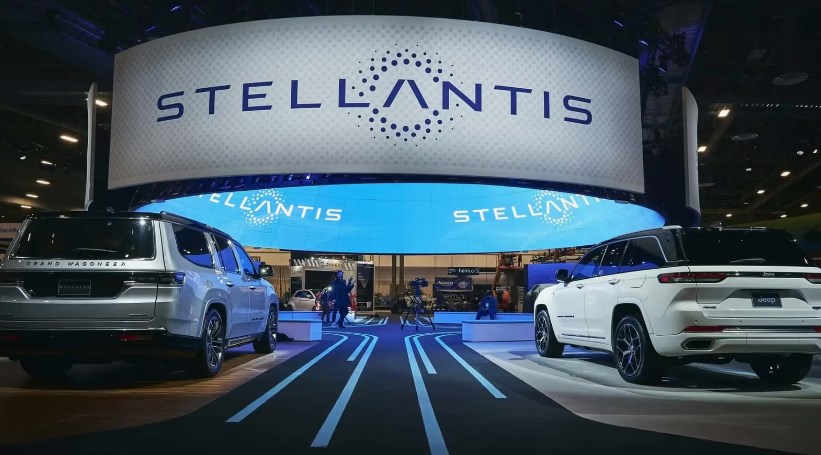
For years, luxury brands have operated in a world largely separate from mainstream carmakers. High-end vehicles often come with expensive import costs, limited production, pricey technology packages, and complicated supply chains. As a result, owning a luxury SUV or sedan has remained out of reach for many middle-class consumers. That reality may soon begin to change. The partnership between Stellantis and Jaguar Land Rover, commonly known as JLR, is centered around shared platforms, technology development, electric vehicle systems, and manufacturing efficiencies. In simple terms, the companies are looking for ways to reduce costs by working together instead of independently building every component from scratch. This Stellantis-JLR deal could make luxury cars easier to buy in the US
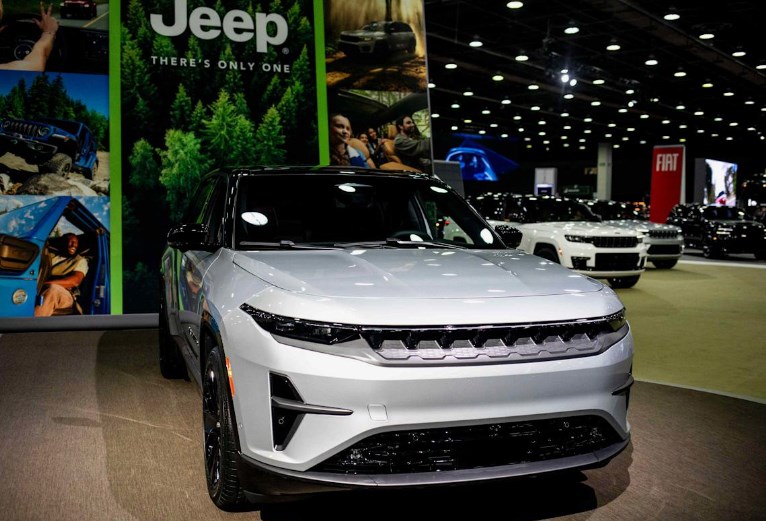
For consumers, cost-cutting at the manufacturing level can eventually translate into lower prices at dealerships. Stellantis already controls a massive portfolio of brands, including Jeep, Dodge, Ram Trucks, Chrysler, Peugeot, and Maserati. Meanwhile, Jaguar Land Rover oversees two iconic British luxury brands: Jaguar and Land Rover. Both companies are currently navigating one of the most expensive transitions in automotive history: the shift toward electric vehicles. Building EVs is incredibly costly. Automakers must invest billions into battery research, software systems, charging infrastructure compatibility, and new production facilities. Rather than absorbing all those costs alone, companies increasingly see partnerships as the smartest path forward.
That is where this agreement becomes especially important. By sharing technologies and production strategies, Stellantis and JLR may significantly reduce the overall expense of developing future vehicles. Lower development costs could mean cheaper production, and cheaper production often creates room for more competitive pricing. For American buyers, this could lead to luxury SUVs and sedans becoming more attainable over the next several years. One area where the partnership could make an immediate difference is electric luxury vehicles. EV prices remain a major obstacle for many consumers. Premium electric SUVs from luxury brands frequently cost well above $70,000 or even $100,000.
But shared EV architecture could help reduce those figures. Instead of Jaguar Land Rover independently engineering every battery system and software platform, it may be able to use portions of Stellantis technology. This saves time, lowers expenses, and allows both companies to scale production faster. The result could be more entry-level luxury EVs designed specifically for broader markets like the United States. That matters because demand for luxury vehicles in America remains strong, even amid economic uncertainty. Buyers increasingly want premium features such as advanced driver-assistance systems, large infotainment displays, high-end interiors, and electrified performance. However, many shoppers are unwilling—or unable—to pay six-figure prices.
Automakers know this. Luxury brands are now under pressure to offer vehicles that feel premium without becoming financially unreachable. Partnerships like this one could help bridge that gap. Another major factor is manufacturing efficiency. Supply chain disruptions over the past several years exposed major weaknesses across the global auto industry. Shortages of semiconductors, batteries, and critical parts delayed production and drove vehicle prices higher. By collaborating more closely, Stellantis and JLR may be able to streamline sourcing and reduce logistical complications.
That could help stabilize inventory levels in the U.S. market. One reason luxury cars have become so expensive recently is simple scarcity. Dealers have had fewer vehicles available, allowing prices to remain elevated. If this partnership improves production capacity and inventory flow, consumers may finally see more competitive pricing and better availability. There is also the possibility that manufacturing could expand closer to North America in the future. Automakers are increasingly trying to localize production to avoid tariffs, shipping delays, and currency fluctuations. If Stellantis and JLR decide to increase shared production efforts in North America, it could further lower costs tied to importing luxury vehicles into the United States. This Stellantis-JLR deal could make luxury cars easier to buy in the US
American consumers may not notice these behind-the-scenes industrial decisions immediately, but they will notice if monthly payments become more manageable. Financing plays a huge role in luxury car sales today. Many buyers lease or finance vehicles rather than purchasing them outright. Even small reductions in manufacturing costs can make a meaningful difference in monthly affordability. For example, shaving several thousand dollars off the production cost of an electric luxury SUV could significantly reduce lease payments. That makes premium vehicles accessible to buyers who previously viewed them as unrealistic purchases.
The timing of this partnership is also important. The luxury car market is becoming increasingly crowded, especially in the EV segment. Traditional automakers are facing growing competition from companies like Tesla as well as emerging Chinese automakers expanding globally. To stay competitive, established brands need to innovate quickly while keeping costs under control. That challenge is especially difficult for smaller luxury brands like Jaguar, which has struggled in recent years with declining sales and an aging lineup. Collaborating with a massive global group like Stellantis could provide JLR with access to resources, platforms, and economies of scale it might otherwise lack.
For Stellantis, the benefits are equally attractive. Working with Jaguar Land Rover strengthens its luxury and premium vehicle expertise while expanding opportunities in upscale EV markets. Consumers stand to gain the most if the partnership succeeds. Imagine a future where a stylish electric Jaguar or a sophisticated Land Rover SUV becomes competitively priced against fully loaded mainstream vehicles. That scenario may sound ambitious today, but automotive partnerships have already proven capable of transforming markets before.
Shared technology helped reduce costs across industries ranging from smartphones to airlines. The auto sector is now embracing the same strategy more aggressively than ever. Of course, there are still risks. Luxury buyers expect exclusivity, refinement, and strong brand identity. If too much technology becomes shared between brands, some consumers may worry that vehicles lose their uniqueness. Automakers must carefully balance efficiency with individuality. Jaguar and Land Rover, in particular, have strong brand identities built around British luxury, off-road capability, and premium craftsmanship. Customers will still expect those qualities regardless of whatever technology-sharing happens behind the scenes. This Stellantis-JLR deal could make luxury cars easier to buy in the US
Still, the broader direction is clear. The future of the automotive industry will likely depend less on isolated competition and more on strategic collaboration. Rising development costs, EV pressures, and global economic uncertainty are forcing companies to work together in ways that once seemed unlikely. For American buyers, that could ultimately be very good news. Luxury vehicles may no longer remain reserved only for wealthy households. As automakers streamline operations and share technology, premium features and upscale driving experiences could gradually become available at more approachable prices.
The Stellantis-JLR partnership may not transform the market overnight, but it signals an important shift in how luxury cars could be built and sold in the years ahead. And for consumers hoping to park a luxury SUV or EV in their driveway without stretching their finances to the limit, that shift could arrive at exactly the right time.
About the Author