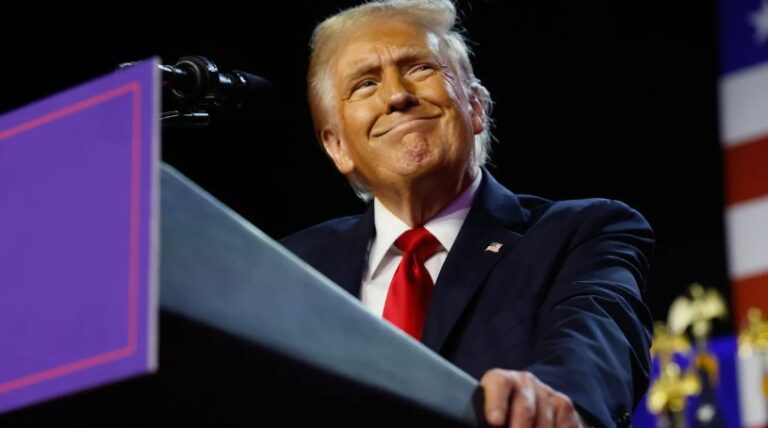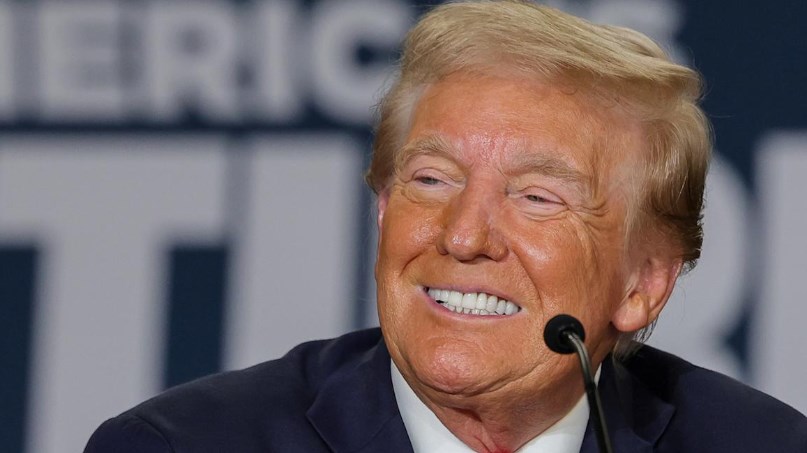
Trump’s approval rating hits record low in poll as midterms near – President Donald Trump is heading into the final stretch before the 2026 midterm elections facing a serious political challenge: his approval rating has fallen to a new low, raising concerns about the Republican Party’s chances of maintaining control of Congress. With voters increasingly frustrated by the cost of living, rising fuel prices, and the administration’s handling of the conflict with Iran, the latest polling suggests that the political environment is becoming more difficult for Trump and his party.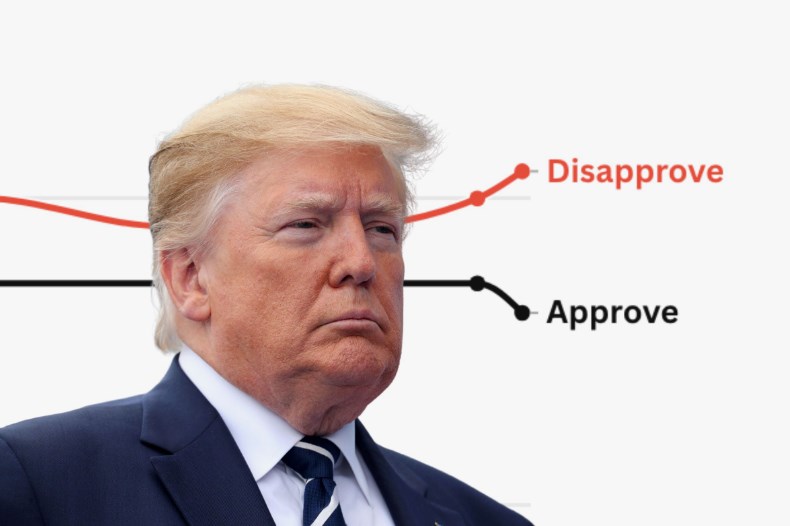
A Washington Post-ABC News-Ipsos poll released on October 18 found that only 33% of Americans approve of Trump’s performance as president, while 66% disapprove. The approval figure marks the lowest result in the polling partnership’s surveys of Trump, down from 37% in both April and July. The findings arrive just over two weeks before voters head to the polls on November 3, when control of Congress will be at stake. Trump’s approval rating hits record low in poll as midterms near
The numbers are more than a warning sign for the White House. They could also influence how Republican candidates campaign in competitive districts, how much they associate themselves with Trump, and whether voters decide to give Democrats an opportunity to challenge the president’s agenda. Although polling cannot predict the final result with certainty, the latest figures suggest that Republicans face a difficult test at a critical moment in Trump’s second term.
A Record-Low Approval Rating Creates Problems for Republicans
Approval ratings are not the same as election results, but they can provide an important indication of how voters feel about a president and the party that controls the White House. Historically, midterm elections often become a referendum on the sitting president, particularly when voters are dissatisfied with the direction of the country.
For Trump, the latest poll presents a troubling picture. With just one-third of Americans approving of his performance and roughly two-thirds expressing disapproval, his administration faces a significant challenge in persuading undecided voters that its policies are working. The decline from earlier surveys also suggests that the dissatisfaction is not simply a temporary reaction to one political controversy. Trump’s approval rating hits record low in poll as midterms near
The broader polling picture reinforces the concern. A Reuters/Ipsos survey published earlier in October placed Trump’s approval rating at 32%, while a Pew Research Center survey conducted from September 28 through October 4 found that only 30% of Americans approved of his performance. These surveys use different methods and should not be treated as interchangeable, but their results point toward a consistent pattern of weakening public support.
For Republican candidates, the problem is straightforward but difficult to solve. They must maintain the enthusiasm of Trump’s loyal supporters while appealing to independents and less committed voters who may be unhappy with the administration. Candidates in strongly Republican areas might benefit from his continued popularity among core supporters, but those competing in closely divided districts have a greater reason to consider whether association with the president could become a political liability.
Some Republicans may therefore emphasize local issues, their own legislative records, or specific policies rather than making Trump the central figure in their campaigns. Others may continue to embrace him, believing that his support remains essential to turning out the Republican base. Both strategies carry risks, and the best approach may vary considerably from one district to another.
The Economy Remains a Major Source of Voter Frustration
One of the biggest challenges facing Trump is the economy. Although the president has repeatedly highlighted his administration’s economic priorities, many Americans remain concerned about everyday expenses, including groceries, gasoline, housing, and household bills. For families already struggling to balance their budgets, political promises carry less weight when the cost of ordinary purchases continues to feel difficult to manage.
The latest polling indicates that economic dissatisfaction is becoming a central factor in the midterm debate. The Washington Post-ABC News-Ipsos survey found that inflation and the cost of living were important concerns as voters assessed Trump’s performance. Rising fuel costs have added to that frustration, making the economy an especially sensitive issue for Republicans trying to defend their congressional majorities. Trump’s approval rating hits record low in poll as midterms near
For voters, economic conditions are often measured through personal experience rather than official statistics. A family may hear that the economy is growing, but still feel financially pressured when filling up a vehicle, buying food, or paying rent. When those experiences conflict with a president’s claims of economic success, public confidence can weaken.
That creates a difficult political situation for Trump. His administration needs to convince voters that its policies will improve their financial circumstances, while Republican candidates must explain how they intend to address the concerns affecting their own communities. If voters continue to believe that the government is failing to manage the cost of living, economic dissatisfaction could become a powerful force at the ballot box.
The Iran Conflict Adds Another Complication
The ongoing conflict with Iran has also become a significant political challenge for the administration. Beyond questions of national security and military strategy, the conflict has economic consequences that voters may experience directly, particularly through energy prices and concerns about the stability of global markets.
Higher fuel costs can affect much more than the price drivers see at the gas station. Transportation companies may face larger operating expenses, businesses can encounter higher delivery costs, and households may have less money available for other purchases. These pressures can spread through the economy, creating additional frustration among people who are already concerned about inflation.
Polling suggests that Americans are dissatisfied with Trump’s handling of the conflict as well as his economic leadership. The Washington Post-ABC News-Ipsos findings point to a difficult combination for the president: voters are concerned about both the administration’s foreign policy and its impact on their financial well-being. <Cite refs={[“turn667783search0″,”turn667783news27”]}/>
The political consequences could extend beyond the president’s personal approval rating. Republican lawmakers must decide how closely to defend the administration’s approach while responding to constituents who may question the costs and consequences of the conflict. Democrats, meanwhile, have an opportunity to challenge the administration’s decisions and argue that the country needs a different approach.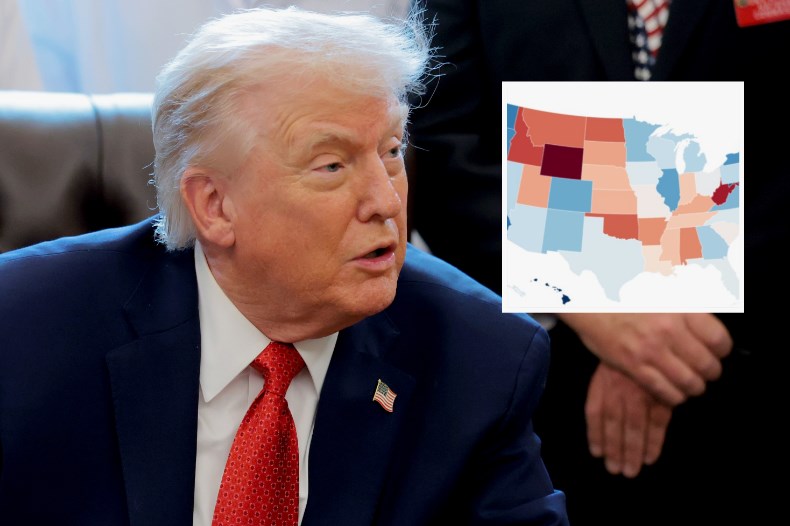
However, foreign policy remains a complicated issue, and voters do not necessarily agree on what the United States should do next. Some may support a forceful approach toward Iran, while others may prioritize diplomacy and efforts to limit further economic disruption. The election will test whether Trump’s national security arguments can persuade voters who are increasingly concerned about the practical consequences of his policies.
Democrats See an Opportunity Ahead of November 3
The latest polling offers Democrats a reason to be optimistic about the midterms. In the Washington Post-ABC News-Ipsos survey, likely voters favored Democratic congressional candidates over Republicans by 52% to 44%, giving Democrats an eight-percentage-point advantage in the national congressional preference measure. <Cite refs={[“turn667783search7″,”turn667783search0”]}/>
That lead could matter considerably because Republicans currently hold narrow majorities in Congress. Democrats need to win enough competitive races to change the balance of power, and a favorable national environment could help them challenge Republican incumbents in districts that might otherwise be difficult to win.
Still, a national polling advantage does not automatically translate into a congressional majority. House races are decided district by district, while Senate contests depend on individual states, candidates, and local political conditions. Campaign organization, fundraising, turnout, and the quality of candidates will all play important roles in determining the final outcome.
Democrats must also persuade voters that they offer credible solutions rather than simply benefiting from dissatisfaction with Trump. Economic frustration may create an opening, but voters will still consider whether Democratic candidates have practical plans for reducing household expenses, improving healthcare affordability, and addressing concerns about government performance.
For Republicans, the challenge is to narrow the gap before Election Day. The party can emphasize its legislative priorities, defend its record, and seek to reassure voters that its policies will deliver results. Yet with the election approaching quickly, there is limited time to change the public conversation.
What Trump’s Low Approval Rating Could Mean for His Presidency
The November 3 midterms will be an important test of Trump’s political influence and the Republican Party’s ability to maintain control of Congress. If Democrats gain control of the House, they could increase oversight of the administration, investigate government decisions, and complicate the president’s legislative agenda. A change in Senate control could create additional obstacles, particularly over appointments and legislation. <Cite refs={[“turn667783news21″,”turn667783news20”]}/>
A Republican victory, on the other hand, would allow the administration to continue pursuing its priorities with less congressional resistance. Even if Trump’s approval rating remains low, his party could retain control through strong turnout among its supporters and successful campaigns in key states and districts.
The stakes extend beyond the immediate election. The results could shape the final two years of Trump’s presidency, influence debates over the economy and foreign policy, and affect how both parties prepare for the 2028 presidential contest.
Ultimately, Trump’s record-low approval rating is a warning sign, not a final verdict. Polls capture public opinion at a particular moment, and voter preferences can change before ballots are counted. Nevertheless, the combination of economic anxiety, dissatisfaction with the Iran conflict, and a Democratic advantage in congressional preferences places Republicans in a challenging position.
As November 3 approaches, the central question is whether Republicans can persuade enough voters that Trump’s agenda deserves continued support—or whether frustration with the president will motivate Americans to demand a change in Washington. The answer will determine not only who controls Congress but also how much political room Trump has to pursue his priorities during the remainder of his term.
About the Author