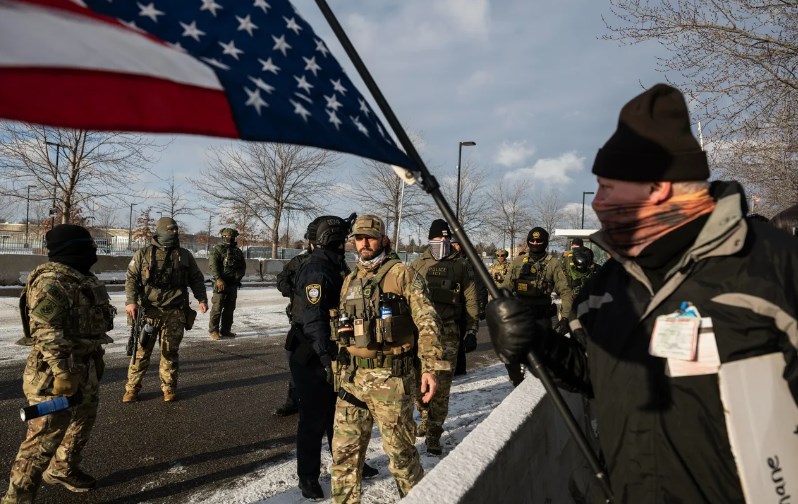
 Chicago-Area Cops Helped HSI Spy on Minnesota Anti-ICE Activists – The relationship between local police departments and federal immigration authorities is once again facing scrutiny after reports that Chicago-area law enforcement officers helped Homeland Security Investigations (HSI) monitor anti-ICE activists in Minnesota. The reported cooperation has raised questions about how government agencies track protest movements, what information they share, and where authorities should draw the line between legitimate investigations and the protection of constitutional rights. Chicago-Area Cops Helped HSI Spy on Minnesota Anti-ICE Activists
For many Americans, protests against Immigration and Customs Enforcement (ICE) are an expression of concern about immigration enforcement, detention practices, and the treatment of immigrant communities. For law enforcement agencies, demonstrations can also create operational challenges, particularly when officers must manage large crowds, respond to confrontations, or investigate alleged criminal activity.
The controversy centers on what happens when police resources and federal investigative capabilities are used to monitor people involved in political activism. Although law enforcement agencies have legitimate reasons to investigate credible threats and suspected crimes, surveillance involving political movements can quickly become contentious when the people being monitored are exercising their right to protest. The reported involvement of Chicago-area officers in monitoring Minnesota activists therefore raises a broader question: how can authorities protect public safety without discouraging people from expressing their political views?.
1. How the Surveillance Operation Unfolded
According to documents reviewed by WIRED and released by defense attorneys in the ongoing federal case, the surveillance operation took place on April 2, 2026, at Co-Prosperity, an arts and community venue in Chicago’s Bridgeport neighborhood. The event featured speakers from Minnesota discussing their experiences organizing against the federal immigration enforcement campaign known as Operation Metro Surge.
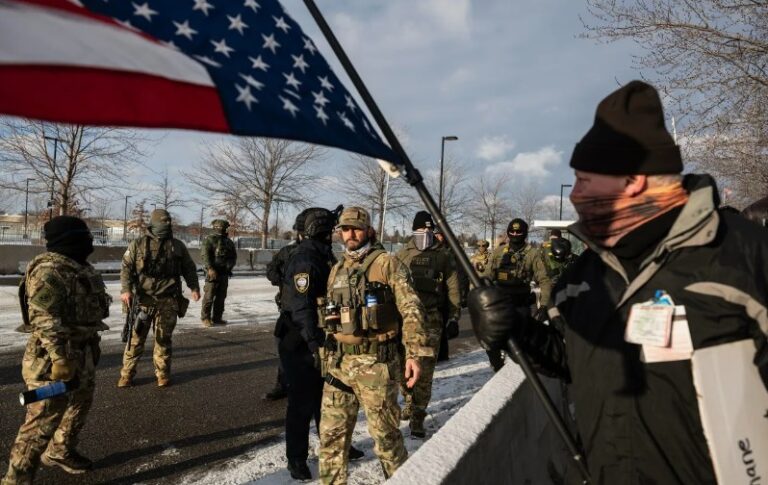
The operation involved a joint task force consisting of 14 officers: six local law enforcement officers and eight HSI agents based in Chicago. Officers and agents reportedly used undercover personnel, audio recordings, license plate reader information, and surveillance cameras to gather information about the event and identify people attending it.
The gathering was part of a speaking tour organized by CrimethInc., a longstanding anarchist collective. Participants discussed community organizing, rapid-response networks, and ways people had responded to immigration enforcement activities in Minnesota. These topics attracted federal investigators because the event was connected to people already under investigation.
According to the reported records, undercover personnel attended the meeting and transmitted recordings to other members of the surveillance team. Investigators also documented vehicles in the surrounding area and examined information that could connect attendees with previous demonstrations.
The HSI team reportedly recorded 219 vehicles parked near the venue. Investigators identified several individuals they were already examining and noted possible connections between people attending the meeting and earlier protests in Illinois.
The significance of these details lies in the breadth of the operation. Investigators were not simply observing activity outside a government building or responding to an immediate emergency. They were gathering information at a political event and attempting to establish connections among individuals, vehicles, and protest movements.
That does not, by itself, establish that every investigative action was unlawful. However, the extent of the surveillance has prompted questions about what evidence justified it and how authorities distinguished suspected criminal conduct from lawful political participation.
2. Why Minnesota’s Anti-ICE Activists Were Under Investigation
The Chicago operation was connected to a broader federal investigation involving 15 activists from Minnesota who face felony conspiracy charges related to resistance against Operation Metro Surge. The immigration enforcement campaign generated widespread protests and community organizing in the Twin Cities. Residents organized demonstrations, shared information about federal agents’ activities, and established networks intended to help neighbors respond when immigration enforcement took place. Chicago-Area Cops Helped HSI Spy on Minnesota Anti-ICE Activists
For immigrant communities, these networks could offer practical assistance, information, and a sense of solidarity during a period of heightened anxiety. For federal investigators, however, some organizing activities became part of an inquiry into alleged efforts to obstruct or impede federal officers.
The 15 defendants’ case has become controversial because of the surveillance methods described in documents obtained by their defense attorneys. Investigative records reportedly show that authorities monitored additional events connected to the same speaking tour in Ann Arbor, Michigan, and Seattle, Washington. Information from those gatherings was sent to investigators working on the Minnesota case.
The distinction between protest and criminal activity is central to the dispute. People have a constitutional right to criticize government policies, organize demonstrations, and discuss political strategies. Those protections do not provide immunity for violence, threats, or other criminal conduct, but participating in an unpopular movement is not itself a crime.
Defense attorneys and civil liberties advocates are therefore examining whether investigators had sufficient grounds for the surveillance and whether the information collected was relevant to specific criminal allegations. The existence of an investigation does not prove that the defendants are guilty. Their allegations must be tested through the judicial process, where prosecutors must establish the charges against each individual.
3. The Conflict With Illinois’ Sanctuary Policies
The case is particularly sensitive because Illinois has laws restricting the involvement of local law enforcement in federal civil immigration enforcement. These protections are intended to prevent local police from becoming an extension of federal deportation operations. Supporters argue that clear limits on cooperation help preserve trust between immigrant communities and local authorities, allowing residents to report crimes and seek assistance without fearing that every interaction could expose them to immigration consequences.
However, the legal boundaries become more complicated when federal agencies conduct criminal investigations rather than directly enforce immigration laws. Chicago police told WIRED that their participation in the operation was related to criminal enforcement, not immigration enforcement, and was therefore permitted under Illinois law. The department also acknowledged that the required First Amendment notifications were not made for the April investigation, according to the publication’s reporting.
That distinction is important, but it does not resolve every concern. Even when a criminal investigation falls within an agency’s legal authority, officers must still follow applicable rules governing surveillance, political activity, privacy, and evidence collection. Chicago-Area Cops Helped HSI Spy on Minnesota Anti-ICE Activists
Chicago police have established procedures for investigations involving protests and public gatherings. Questions have now emerged about how those procedures apply when local officers participate in a federal task force rather than conduct an operation solely under their own department.
The controversy also raises an accountability issue. When several police departments and federal agencies share information, it can become difficult for the public to determine which organization authorized a particular action and who is responsible for reviewing it. For residents, transparency matters because sanctuary policies are only meaningful if the public can understand how local agencies interpret and apply them.
4. Civil Rights Groups Demand Answers
Civil liberties advocates have criticized the surveillance, arguing that government monitoring of political gatherings can discourage people from exercising their constitutional rights. The American Civil Liberties Union of Illinois has called the reported operation troubling and urged local law enforcement agencies to account for their participation in joint federal task forces.
The concern is not limited to the people named in the federal investigation. When activists discover that undercover officers may be attending meetings, recording conversations, or collecting information about their vehicles, other people may decide it is safer to avoid public demonstrations altogether. That possibility creates what civil liberties advocates describe as a chilling effect. People may remain legally free to protest but become reluctant to participate because they fear that their names, associations, or political views could enter government databases.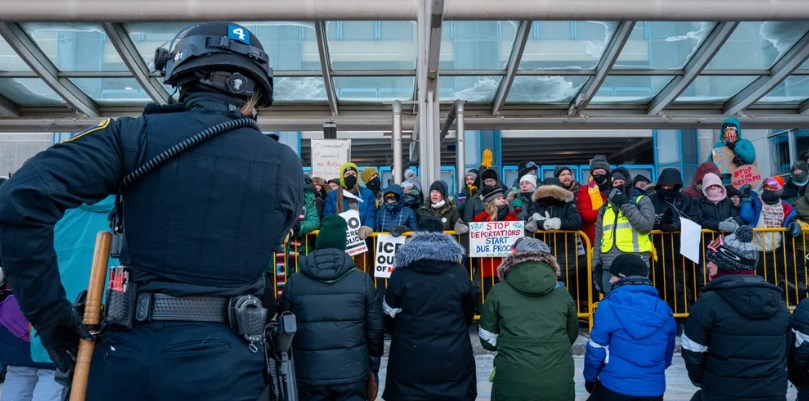
The concern is particularly relevant for journalists, community organizers, volunteers, and people providing support to immigrant families. These individuals may attend political gatherings to report on events, distribute information, or help neighbors without having any intention of breaking the law. At the same time, law enforcement agencies have a legitimate responsibility to investigate credible threats and serious criminal activity. The central question is whether the methods used are necessary, proportionate, and supported by evidence.
A fair assessment requires more than assuming that every surveillance operation is abusive or that every government investigation is justified. It requires examining the underlying evidence, the rules governing the operation, and whether officials respected constitutional protections.
5. What Happens Next?
The revelations place renewed attention on the federal case against the 15 Minnesota activists and on the relationship between local police departments and federal investigative agencies. Defense attorneys can use information obtained through the legal discovery process to challenge evidence, question investigative methods, and argue that authorities overstepped their powers. Courts can then evaluate the relevant legal questions based on the evidence and applicable law.
Local officials also face pressure to explain how their departments participate in federal task forces. Residents may reasonably expect clear answers about what information officers collect, how long it is retained, when it is shared, and what safeguards prevent political beliefs alone from becoming grounds for surveillance.
The Chicago Police Department’s reported acknowledgment that First Amendment notifications were not made makes the issue particularly important. Officials must clarify why those procedures were not followed and whether the department’s policies were interpreted differently because the operation involved a federal criminal investigation.
The broader debate extends beyond Chicago and Minnesota. As federal agencies increasingly cooperate with local police, the safeguards governing those relationships will play an important role in determining how surveillance powers are exercised. Ultimately, protecting public safety and defending civil liberties should not be treated as mutually exclusive goals. Investigators must be able to pursue credible criminal allegations, but people must also be able to criticize government policies without automatically becoming targets of suspicion.
Conclusion
The reported cooperation between Chicago-area police and Homeland Security Investigations has exposed difficult questions about surveillance, political protest, and the limits of government authority. Documents described by WIRED indicate that officers and federal agents monitored an April 2 gathering in Chicago, collected information about attendees and vehicles, and shared investigative findings with HSI personnel in Minnesota. The operation was connected to a broader federal investigation involving 15 activists charged with conspiracy-related offenses.
Authorities maintain that the work concerned criminal enforcement, while civil liberties advocates question whether the surveillance crossed important constitutional boundaries. Those competing positions will require careful scrutiny of the evidence and the legal rules governing the investigation. For the communities involved, the stakes extend beyond one meeting or one criminal case. They concern whether people can gather, organize, and express opposition to government policy without fearing unjustified surveillance.
The public deserves clear answers about what happened, why it happened, and whether the agencies involved followed their own rules. Accountability is essential not only for protecting constitutional freedoms but also for maintaining public confidence in law enforcement. The ultimate challenge is to ensure that legitimate criminal investigations remain focused on credible evidence of wrongdoing—not on the mere fact that people have chosen to speak out against the government.
About the Author