The Cybertruck’s Death Is Actually Great News for EVs – The Tesla Cybertruck was supposed to change the electric vehicle industry forever. With its futuristic stainless-steel body, unusual design, impressive performance claims, and ambitious promises from Elon Musk, the electric pickup attracted enormous attention long before it reached customers. Some people loved its unconventional appearance, while others struggled to understand why anyone would want to drive such an unusual-looking truck.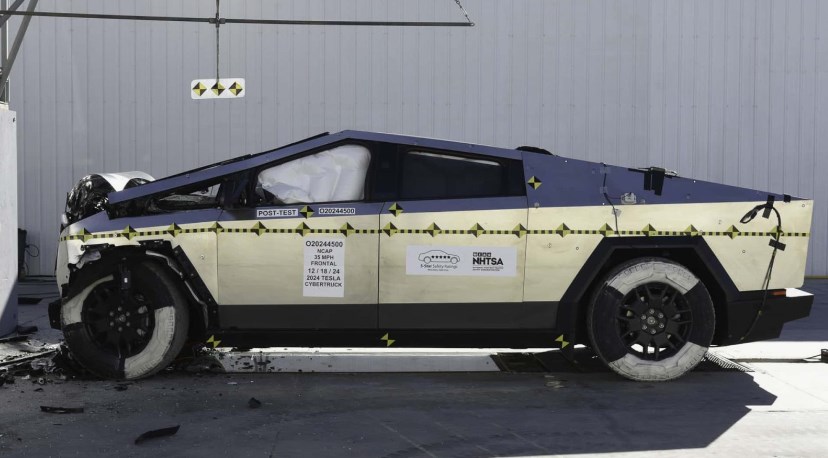
Now, its future appears to be coming to an end. Tesla CEO Elon Musk has announced plans to wind down Cybertruck production at the company’s Texas Gigafactory around the middle of 2027. The decision will reportedly make room for increased production of Tesla’s Cybercab robotaxi, signaling another major change in the company’s priorities.
Although the news might disappoint some Cybertruck enthusiasts, its departure could actually be a positive development for the broader electric vehicle market. The industry is increasingly recognizing that consumers do not necessarily need enormous electric trucks with oversized batteries. Instead, smaller, lighter, and more affordable electric vehicles could offer a much better solution for everyday transportation.
The Cybertruck’s story is therefore about more than one unsuccessful vehicle. It highlights an important question facing the automotive industry: Should manufacturers focus on building the biggest and most powerful electric vehicles, or concentrate on making electric transportation accessible to more people? The Cybertruck’s Death Is Actually Great News for EVs
The Cybertruck’s Ambitious Vision Didn’t Translate Into Lasting Success
When Tesla introduced the Cybertruck in 2019, it generated an extraordinary amount of excitement. Its sharp angles, stainless-steel exterior, and unconventional proportions looked completely different from traditional pickup trucks. Musk presented it as a revolutionary vehicle capable of challenging established gasoline-powered trucks. The company initially suggested that it could eventually produce between 250,000 and 500,000 Cybertrucks annually. However, the reality turned out to be considerably different. Production delays, manufacturing challenges, pricing changes, and questions surrounding its practical appeal made it difficult for Tesla to achieve those ambitions.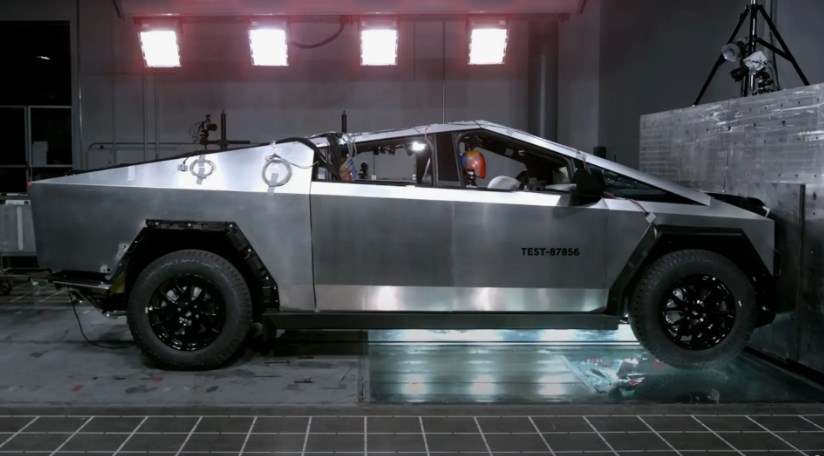
The vehicle also became increasingly controversial. Its distinctive appearance attracted attention, but not everyone appreciated its design. Multiple recalls and quality concerns added further complications, while the high purchase price made it difficult to position as an accessible alternative to conventional pickups. According to Kelley Blue Book estimates, Cybertruck sales reached approximately 20,237 units in 2025, down considerably from around 38,965 in 2024. Sales continued to weaken during 2026, with deliveries through September reportedly declining 28% year over year.
Tesla’s decision to wind down production around mid-2027 therefore reflects a difficult commercial reality. Despite the enormous attention surrounding its launch, the Cybertruck never became the mainstream electric pickup that its original ambitions suggested it would be. The Cybertruck’s Death Is Actually Great News for EVs
Smaller Electric Vehicles Could Make Better Use of Batteries
One of the biggest reasons the Cybertruck’s departure could benefit the EV industry is its enormous battery pack. The vehicle uses a battery with approximately 123 kilowatt-hours of capacity, weighing around 1,600 pounds. That is a substantial amount of battery material for a vehicle that many owners primarily use for ordinary activities such as commuting, shopping, and family transportation. While large batteries can provide longer driving ranges and support demanding workloads, they also increase vehicle weight and manufacturing costs.
The cancellation of Ford’s F-150 Lightning provides another example of the challenges facing oversized electric pickups. Depending on the configuration, the Lightning used battery packs ranging from approximately 98 to 131 kilowatt-hours. When manufacturers dedicate such large battery packs to individual vehicles, fewer battery resources remain available for other models. Smaller electric cars could potentially serve more customers using significantly less battery capacity. The Cybertruck’s Death Is Actually Great News for EVs
Consider a standard-range electric crossover used for daily commuting. It might complete most everyday journeys with a battery approximately half the size of the Cybertruck’s pack. That difference matters because batteries remain among the most expensive components of an electric vehicle. Smaller battery requirements could help automakers reduce production costs, improve efficiency, and offer more competitive prices. Instead of concentrating resources on enormous electric pickups, manufacturers could build several smaller vehicles using comparable battery supplies.
About the Author