Hyundai isn’t giving up on hydrogen cars, but don’t expect one in your driveway anytime soon – The automotive industry is moving rapidly toward an electric future, with manufacturers investing billions of dollars in battery-powered vehicles. However, Hyundai is not ready to abandon another alternative that has attracted attention for years: hydrogen-powered cars. While many automakers have shifted most of their attention toward battery-electric technology, Hyundai continues to believe hydrogen fuel cells could play an important role in the future of transportation.
That does not mean drivers should expect to see a wide selection of affordable hydrogen cars at dealerships anytime soon. Despite continued research, engineering improvements, and ambitious long-term plans, hydrogen-powered passenger vehicles still face significant challenges. Limited refueling infrastructure, expensive production costs, and questions about hydrogen availability have made it difficult for the technology to compete with conventional gasoline cars and modern electric vehicles.
Nevertheless, Hyundai appears determined to keep developing hydrogen technology. The company sees it as more than just another experiment, particularly as governments and manufacturers search for cleaner ways to move people and transport goods.
Hyundai Continues to Believe in Hydrogen Technology
Hyundai has been one of the most committed automotive manufacturers when it comes to hydrogen fuel-cell development. Rather than treating hydrogen as a temporary experiment, the South Korean automaker has invested in the technology for many years. Its commitment demonstrates that the company believes the future of transportation could involve multiple powertrain solutions instead of relying entirely on batteries.
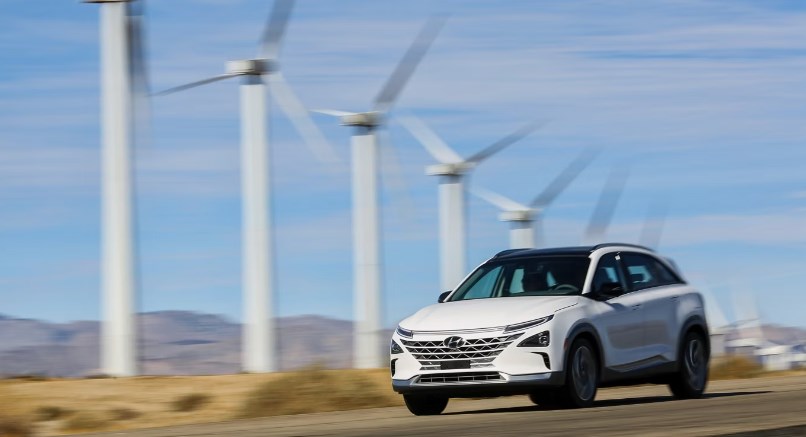
One of Hyundai’s most recognizable hydrogen-powered vehicles is the Nexo. This fuel-cell electric SUV demonstrates how hydrogen can be used to power a vehicle without requiring a traditional gasoline engine. Instead of storing electricity in a large battery that needs to be plugged into a charging station, the Nexo generates electricity through a chemical reaction involving hydrogen and oxygen.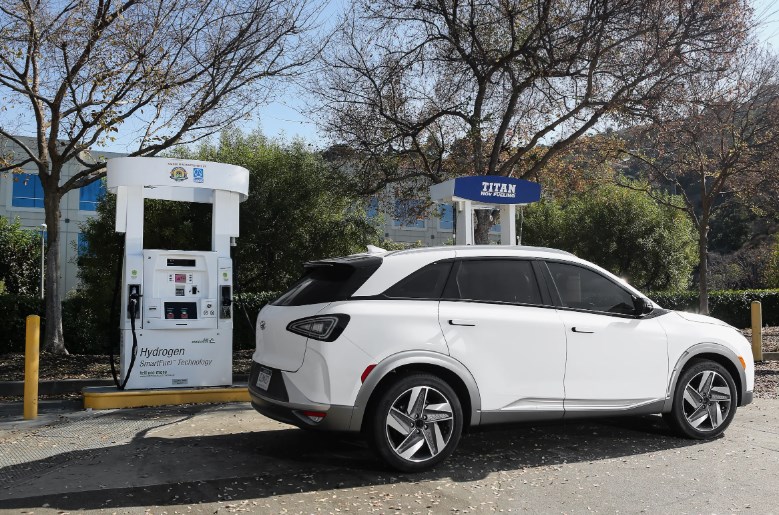
The technology offers some attractive advantages. Hydrogen vehicles can generally be refueled much faster than battery-electric vehicles can be recharged, provided a suitable hydrogen station is available. They also produce no carbon dioxide emissions directly from the exhaust. Water vapor is the primary byproduct of the fuel-cell process, making the technology particularly interesting for manufacturers looking to reduce transportation-related pollution.
Hyundai’s continued investment suggests that it does not consider hydrogen an outdated idea. Instead, the company sees potential opportunities in areas where battery-electric technology may not always be the most practical solution. However, developing the technology is only one part of the challenge. Making hydrogen vehicles affordable and convenient enough for everyday customers remains a much bigger task.
Why Hydrogen Cars Are Still Difficult to Buy
Although hydrogen vehicles have been available to consumers in certain markets, finding one is considerably more difficult than purchasing a conventional hybrid or electric vehicle. The biggest obstacle is not necessarily the vehicle itself but the infrastructure required to support it.
Unlike gasoline stations, which are widely available in most developed markets, hydrogen refueling stations remain relatively uncommon. This creates an obvious problem for drivers. Even if someone is interested in purchasing a hydrogen-powered SUV, the decision becomes difficult when there are very few places to refill the tank.
The situation also creates a cycle that is difficult to break. Automakers are reluctant to introduce large numbers of hydrogen vehicles when customers cannot easily find refueling stations. Meanwhile, companies responsible for building hydrogen infrastructure may hesitate to invest heavily when relatively few vehicles are using their facilities.
Another challenge involves the cost of producing and distributing hydrogen. Not all hydrogen is created in the same way. Much of today’s hydrogen production still relies on fossil fuels, which can reduce the environmental benefits associated with using it as a clean transportation fuel. Producing hydrogen through renewable electricity, commonly called green hydrogen, offers a cleaner alternative, but it remains expensive and requires substantial investment.
These issues explain why hydrogen cars have not become mainstream despite years of development. Hyundai may be enthusiastic about the technology, but consumer adoption will depend on improvements that go well beyond the vehicle itself.
The Hyundai Nexo Shows What Hydrogen Can Offer
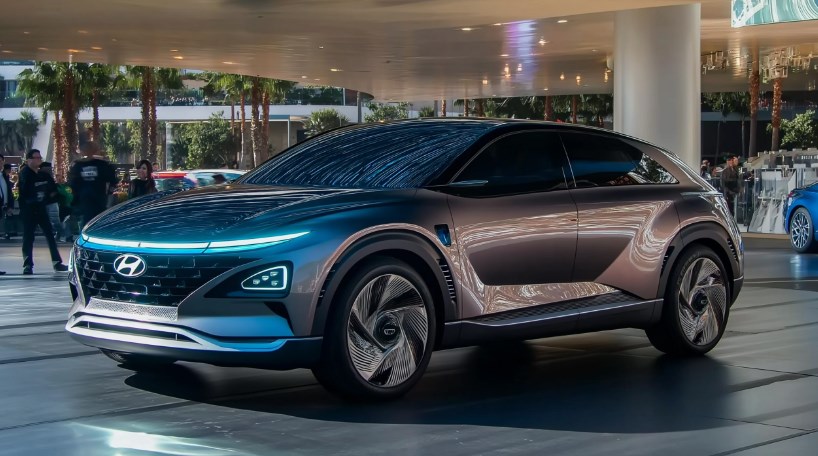
Instead of depending entirely on a large rechargeable battery, the Nexo carries compressed hydrogen in dedicated storage tanks. Its fuel-cell system combines hydrogen with oxygen from the surrounding air to generate electricity, which powers an electric motor. This means drivers experience many of the characteristics associated with electric vehicles, including smooth acceleration and quiet operation. Hyundai isn’t giving up on hydrogen cars
One of the biggest attractions is refueling time. Battery-electric vehicles can require considerable time to recharge, especially when using slower charging equipment. Hydrogen vehicles, on the other hand, can be refueled in a matter of minutes under suitable conditions. For drivers who regularly travel long distances, that convenience could be appealing.
The Nexo also demonstrates Hyundai’s efforts to improve fuel-cell efficiency, vehicle packaging, and overall driving comfort. However, its existence does not automatically mean hydrogen SUVs are ready for mass adoption. The vehicle still depends on specialized refueling infrastructure, and its availability is limited to markets where hydrogen stations and commercial support exist.
For now, the Nexo is better understood as a demonstration of Hyundai’s long-term technological ambitions than as evidence that hydrogen vehicles are about to replace conventional SUVs.
Hydrogen and Battery-Electric Cars Could Have Different Roles
Battery-electric vehicles have already made significant progress. Charging networks are expanding, battery costs have improved over time, and manufacturers are introducing more affordable electric cars. For everyday commuting, school runs, and regular city driving, battery-powered vehicles are becoming increasingly practical.
Hydrogen could offer different advantages in applications where fast refueling and extended operating schedules are especially important. Heavy-duty trucks, commercial fleets, buses, and certain industrial vehicles may benefit from fuel-cell technology because they often operate for long periods and cannot always afford extended charging breaks.
Hyundai has also explored hydrogen applications beyond passenger cars. Its work involving commercial transportation and fuel-cell systems reflects a broader strategy that treats hydrogen as part of an entire energy ecosystem rather than simply another option for private motorists.
This distinction is important because hydrogen does not need to replace every battery-powered vehicle to become commercially successful. If manufacturers can identify transportation sectors where fuel cells offer genuine advantages, the technology could establish a sustainable market without becoming the dominant choice for ordinary drivers.
What Needs to Change Before Hydrogen Cars Become Mainstream?
For hydrogen-powered vehicles to become a realistic choice for everyday motorists, several major improvements will be necessary. The first and most obvious requirement is a much larger refueling network. Drivers need confidence that they can travel beyond their immediate neighborhoods without worrying about finding a functioning hydrogen station.
Building that infrastructure will require cooperation between automakers, energy companies, governments, and private investors. Hydrogen stations are expensive to construct and operate, particularly when demand remains relatively low. Expanding the network will therefore depend on long-term investment and a clear strategy for increasing hydrogen consumption.
The second challenge is making hydrogen production cleaner and more affordable. Green hydrogen could significantly improve the environmental benefits of fuel-cell vehicles, but renewable electricity is needed to produce it. The process also involves energy losses during production, compression, transportation, and conversion back into electricity inside the vehicle. Hyundai isn’t giving up on hydrogen cars
Vehicle pricing is another important consideration. Fuel-cell systems involve specialized components, including hydrogen storage tanks and advanced fuel-cell stacks. Manufacturers must find ways to reduce production costs without compromising safety, reliability, or performance.
Finally, consumers need convincing reasons to choose hydrogen over other powertrains. Fast refueling is attractive, but it will not be enough if hydrogen vehicles remain expensive and difficult to maintain. Better availability, competitive ownership costs, and dependable infrastructure will ultimately determine whether the technology gains wider acceptance.
Hyundai’s Hydrogen Future Is Long-Term, Not Immediate
Hyundai’s continued commitment to hydrogen sends an interesting message about the direction of the automotive industry. While battery-electric vehicles currently dominate much of the conversation surrounding cleaner passenger transportation, the company believes it is important to keep alternative technologies moving forward.
This strategy could become valuable as transportation requirements change. Battery technology will continue improving, but different vehicles and industries have different energy needs. A solution that works perfectly for a small city car might not be ideal for a heavy commercial truck operating across long distances every day.
Hyundai’s hydrogen research could also benefit other industries that need cleaner energy solutions. Fuel-cell systems, hydrogen storage technologies, and improved production methods may eventually find applications beyond passenger vehicles. That broader potential helps explain why the company is willing to continue investing even when the consumer market remains relatively small.
Still, drivers should keep their expectations realistic. Hydrogen-powered cars are unlikely to become common driveway options in the immediate future. The technology needs more affordable production, stronger infrastructure, and greater public acceptance before it can compete seriously with gasoline, hybrid, and battery-electric vehicles.
Final Thoughts
Hyundai is clearly not ready to give up on hydrogen cars, and its continued development of fuel-cell technology shows that the company sees possibilities beyond the current electric vehicle boom. The Nexo provides a practical example of how hydrogen can power a modern SUV, while the company’s broader research highlights potential applications across commercial transportation and other industries. However, enthusiasm from automakers alone cannot make hydrogen vehicles successful. Refueling infrastructure, production expenses, hydrogen availability, and environmental considerations remain significant obstacles.
For consumers, battery-electric and hybrid vehicles will likely remain much more practical choices for the foreseeable future. Hydrogen may eventually find its place in the automotive market, but that future will depend on solving problems that cannot be fixed by designing a better car alone. Hyundai is keeping the door open, and that could prove to be a smart long-term decision. But if you are hoping to park an affordable hydrogen-powered Hyundai in your driveway anytime soon, you may need to be patient. Hyundai isn’t giving up on hydrogen cars
About the Author