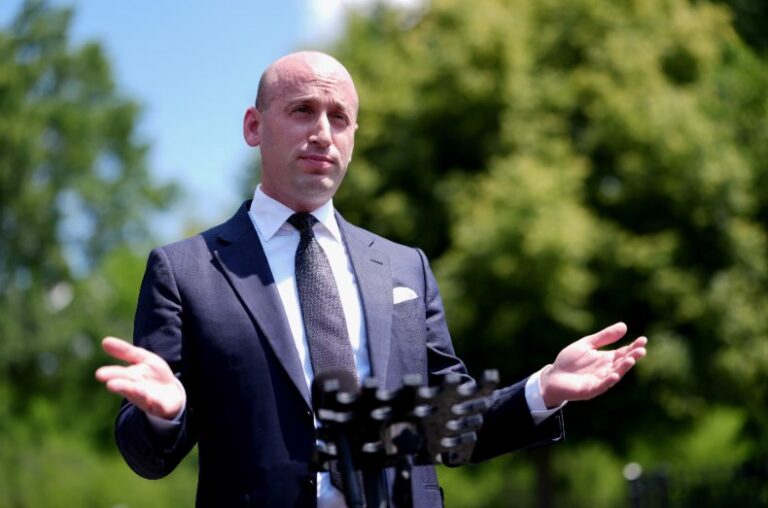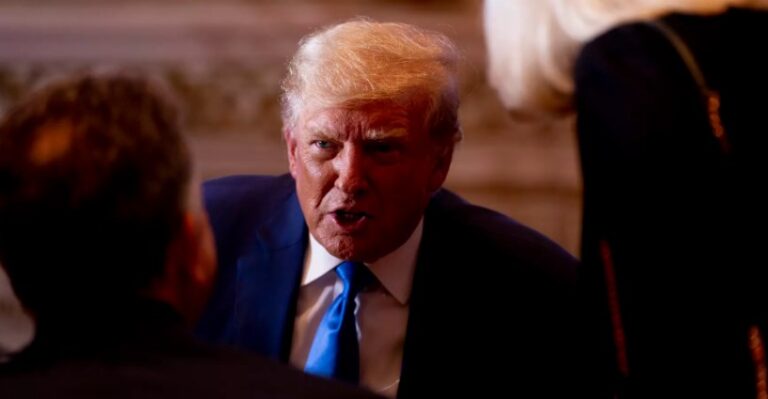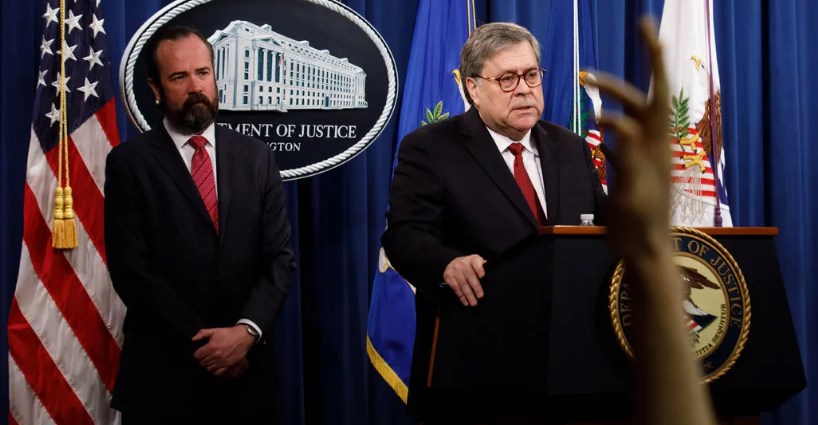
Three Justice Department officials resign following midterms – The political fallout from the 2026 midterm elections is beginning to reach the highest levels of the U.S. government, with three senior Justice Department officials resigning within days of the Democratic Party’s strong electoral performance. The departures have drawn attention in Washington, particularly because the officials held influential positions overseeing civil rights enforcement, national security investigations, and politically sensitive criminal cases.
The three officials are Harmeet Dhillon, who led the Justice Department’s Civil Rights Division; John Eisenberg, head of the National Security Division; and Jason Reding Quiñones, the U.S. attorney for the Southern District of Florida. Their resignations were announced between Thursday and Friday, November 5 and 6, just days after Democrats delivered a significant setback to President Donald Trump’s Republican Party in the midterm elections.
Although the reasons behind the departures differ, their timing has raised questions about the administration’s direction and the possibility of further changes within the Justice Department. The developments also come at a difficult moment for Trump, whose administration could face increased congressional scrutiny as Democrats prepare to exercise greater influence following their electoral victories.
Three High-Profile Departures Shake the Justice Department
The first major departure involved Harmeet Dhillon, who announced her resignation as assistant attorney general for the Civil Rights Division on Thursday. Attorney General Todd Blanche confirmed that she was leaving the department, praising her leadership and describing her work as an effort to defend civil liberties and enforce federal law.
Dhillon had become one of the most influential conservative figures within the Justice Department during Trump’s second administration. Her leadership brought substantial changes to the Civil Rights Division, shifting its priorities toward issues supported by the president and his political allies. Her tenure included efforts to roll back diversity, equity, and inclusion programs, investigate universities, and challenge policies involving transgender participation in women’s sports.
Just one day later, two additional senior officials announced their departures. John Eisenberg, who headed the National Security Division, and Jason Reding Quiñones, the U.S. attorney overseeing the Southern District of Florida, both resigned on Friday. Their exits brought the number of high-profile Justice Department departures following the midterms to three.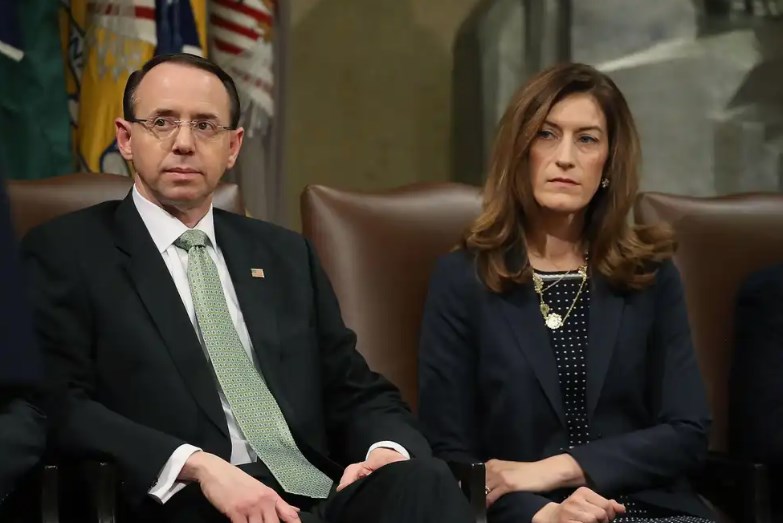
The speed of these announcements has attracted considerable attention because the officials occupied positions central to the administration’s legal and national security priorities. Their departures also create leadership gaps in divisions responsible for handling sensitive investigations, protecting civil rights, and addressing threats to national security. The department will now need to determine who will take responsibility for these offices as the administration enters a more politically challenging period. Three Justice Department officials resign following midterms
Jason Reding Quiñones and the Controversial Investigation Into Trump’s Political Enemies
Among the three departures, Quiñones’ resignation may carry the most immediate political significance. As the U.S. attorney for the Southern District of Florida, he oversaw an investigation into allegations that former government officials and intelligence personnel had conspired against Trump and attempted to undermine his political career.
The investigation, frequently described as the so-called grand conspiracy probe, focused on people connected to earlier investigations involving Trump and his presidential campaigns. The administration sought to examine whether officials from previous Democratic administrations and federal law enforcement agencies had improperly targeted the president. Three Justice Department officials resign following midterms
However, the investigation struggled to produce the major developments that some administration figures had anticipated. It experienced staffing changes, internal disagreements, and delays involving potential grand jury testimony. Several prosecutors also departed, creating additional uncertainty about the investigation’s future.
Reports indicated that Justice Department leaders had become frustrated with Quiñones’ management of the case and its lack of visible progress. He had reportedly promised that his office could move toward bringing a major case, but those expectations were not fulfilled within the anticipated timeframe.
Attorney General Blanche announced Quiñones’ departure while highlighting his work against violent crime, drug trafficking, human trafficking, and international criminal networks. Blanche also praised his office’s indictment of former Cuban president Raúl Castro in connection with the 1996 destruction of civilian aircraft.
Quiñones expressed gratitude for the opportunity to serve and said he was proud of what his team had accomplished. Nevertheless, his departure raises questions about whether the controversial investigation will continue under new leadership or gradually lose momentum.
John Eisenberg’s Exit Adds to National Security Concerns
John Eisenberg’s resignation represents another important development because of the responsibilities attached to his position. As assistant attorney general overseeing the National Security Division, he supervised work involving terrorism, espionage, cybercrime, classified information, export controls, and foreign threats.
Eisenberg joined Trump’s administration after previously serving as a legal adviser during the president’s first term. His experience in national security matters made him an important figure within the department, particularly as the administration pursued several high-profile investigations involving classified information. Three Justice Department officials resign following midterms
One significant case during his leadership involved former national security adviser John Bolton, who pleaded guilty in 2026 to allegations involving the mishandling of classified information and was awaiting sentencing. Eisenberg’s division also handled sensitive matters involving intelligence operations and national security investigations. His departure therefore creates questions about leadership continuity at a time when federal authorities must continue responding to domestic and international security challenges.
Blanche praised Eisenberg’s service, saying that he had helped strengthen the country’s ability to address threats from both inside and outside the United States. The attorney general also credited the division with supporting the administration’s efforts to prosecute terrorists and disrupt planned attacks.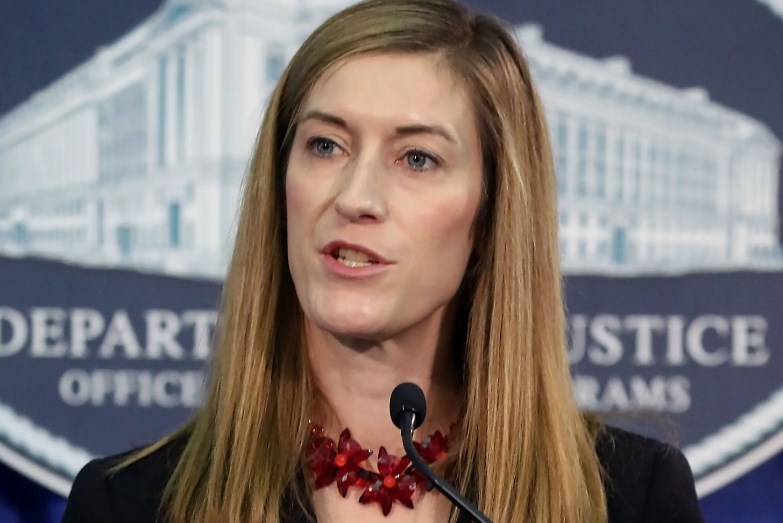
Unlike Quiñones, Eisenberg’s precise reasons for resigning have not been publicly established. There is also no confirmed evidence that his decision was directly connected to the midterm results. Still, the timing makes his departure part of a broader leadership shake-up that is attracting increasing political attention.
Harmeet Dhillon’s Departure Reflects Deeper Changes Within the Civil Rights Division
Dhillon’s resignation is particularly significant because her leadership transformed the Justice Department’s approach to civil rights enforcement. Before joining the administration, she was known as a conservative attorney who represented Trump and participated in several high-profile political and legal disputes.
During her time leading the Civil Rights Division, Dhillon redirected the office toward priorities closely associated with the president’s agenda. These included challenging diversity initiatives, investigating universities over alleged discrimination, addressing religious liberty disputes, and pursuing cases involving transgender policies and election integrity.
Supporters argued that her leadership corrected what they considered ideological imbalances in federal civil rights enforcement. Critics, however, accused the division of abandoning traditional responsibilities and using federal authority to pursue politically motivated objectives.
Her tenure also coincided with an extraordinary loss of experienced personnel. Reports indicated that more than three-quarters of the division’s workforce from the beginning of Trump’s second term had departed by 2026. The changes raised concerns about institutional knowledge, staffing capacity, and the department’s ability to handle complex civil rights cases.
Dhillon said she had attempted to resign several weeks before the midterm elections but was asked by White House Chief of Staff Susie Wiles to remain in her position until after voting concluded. This explanation suggests that her departure had been under consideration before the election results became clear. Nevertheless, her exit leaves another important leadership position open and adds to questions about the future direction of the Justice Department’s civil rights policies. Three Justice Department officials resign following midterms
Democratic Midterm Victories Could Make Future Appointments More Difficult
The three resignations arrive as the political balance in Washington shifts following the midterm elections. Democrats’ strong performance creates new challenges for the Trump administration, particularly when it comes to filling important government positions that require Senate confirmation.
If Democrats gain control of the Senate, the administration could encounter stronger resistance when attempting to confirm new nominees. Lawmakers may demand more detailed explanations about the candidates’ qualifications, political independence, and approach to federal law enforcement.
The Justice Department may still appoint acting officials to maintain operations while permanent replacements are considered. However, temporary leadership arrangements can create uncertainty, especially in divisions handling sensitive investigations and politically controversial cases.
Democratic lawmakers are also expected to increase oversight of the administration. This could include examining Justice Department decisions, investigating claims of political interference, and questioning how federal resources have been used during Trump’s second term. The departures may therefore become part of a much larger political discussion about accountability, institutional independence, and the relationship between the White House and federal law enforcement.
For now, the administration has not publicly established that the three resignations were directly caused by the election results. Dhillon said her decision had been planned earlier, while the circumstances surrounding Eisenberg’s and Quiñones’ departures remain different and partly unclear. What is clear is that the Justice Department is experiencing an unusually important leadership transition at a moment when political pressure is increasing.
The coming weeks will reveal whether these resignations represent isolated personnel changes or the beginning of a wider shake-up across the federal government. With Democrats preparing to use their stronger congressional position and the Trump administration facing new political obstacles, the Justice Department’s next leadership decisions could have consequences extending well beyond Washington’s current political headlines. Three Justice Department officials resign following midterms
About the Author