Who is Stephen Miller? Meet Trump’s new chief of staff – Stephen Miller is stepping into one of the most influential positions in the White House after President Donald Trump announced that he would replace Susie Wiles as chief of staff. The announcement, made on November 6, 2026, comes just days after Republicans suffered significant losses in the midterm elections, giving Democrats control of both chambers of Congress.
Miller is not a newcomer to Trump’s political circle. At 41, he has spent nearly a decade working alongside the president and has played a central role in shaping some of the administration’s most controversial policies, particularly immigration enforcement. His influence has extended far beyond his official job titles, making him one of the most recognizable figures within Trump’s inner circle.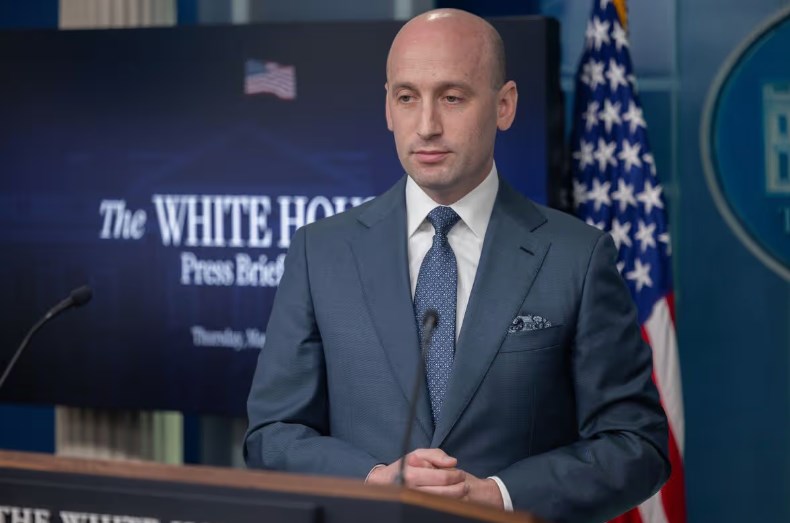
The appointment signals an important change in the White House at a time when the administration faces growing political pressure. While some expected Trump to reconsider his strategy following the election results, choosing Miller suggests that the president intends to keep relying on a longtime adviser who strongly supports his political agenda. But who exactly is Stephen Miller, how did he become one of Trump’s closest advisers, and what could his promotion mean for the administration’s remaining two years?
Stephen Miller’s Early Life and Political Background
Stephen Miller was born on August 23, 1985, in Santa Monica, California. He grew up in a Jewish family and developed an interest in conservative politics during his teenage years. Even before entering national politics, Miller was known for expressing strong opinions about immigration, American identity, and government policy.
He attended Duke University in North Carolina, where he studied political science. During his college years, Miller became involved in conservative political activism and attracted attention for his outspoken positions on immigration and cultural issues.
After graduating, he moved into Republican politics and began working on Capitol Hill. One of his most important early professional relationships was with Senator Jeff Sessions of Alabama, a prominent conservative Republican who later became Trump’s first attorney general.
Working for Sessions gave Miller valuable experience in legislative politics and immigration policy. He became increasingly involved in debates over border security, legal immigration, and federal enforcement priorities.
His political approach was often confrontational, and he developed a reputation as someone willing to challenge established positions within Washington’s political establishment. These characteristics eventually made him a natural fit for Trump’s emerging political movement.
How Miller Became One of Trump’s Most Trusted Advisers
Miller joined Trump’s 2016 presidential campaign as a senior policy adviser and speechwriter. His role became particularly important as the campaign developed its message around immigration, border security, trade, and American nationalism.
He helped write speeches that reflected Trump’s political priorities and frequently appeared at campaign events to defend the candidate’s positions. Miller also became known for his strong public statements against immigration policies supported by previous administrations.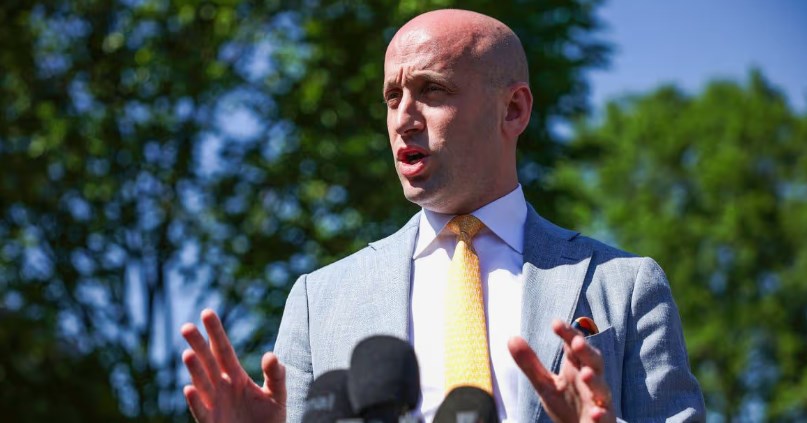
Following Trump’s election victory in 2016, Miller entered the White House as a senior adviser. He quickly established himself as an influential figure in the administration, particularly when it came to developing immigration proposals.
Unlike advisers who focused on public relations or traditional political strategy, Miller concentrated heavily on policy development. His influence was visible in executive actions, immigration restrictions, and efforts to change how federal agencies approached border enforcement.
During Trump’s first presidency, he helped shape major initiatives, including the travel restrictions affecting several Muslim-majority countries and the administration’s family separation policy at the southern border.
The family separation policy became one of the most controversial aspects of Trump’s first term. It resulted in children being separated from parents detained after crossing the U.S.-Mexico border, prompting widespread criticism from human rights organizations, lawmakers, and international observers.
Miller remained a central figure despite the criticism, continuing to defend the administration’s approach to immigration and border security.
His Role in Trump’s Second Administration
When Trump returned to the White House in January 2025, Miller once again became one of the administration’s most influential policy advisers. He served as deputy chief of staff for policy and also took on responsibilities connected to homeland security.
His influence extended across several government agencies, particularly those involved in immigration enforcement. He helped coordinate the administration’s efforts to expand deportations, strengthen border security, and increase the use of executive authority to implement Trump’s immigration agenda.
Miller also became a prominent defender of the administration’s broader domestic policies. He frequently appeared in media interviews and used social media to criticize Democrats, defend the president, and promote the administration’s political priorities.
His approach has attracted both support and criticism. Supporters see him as someone who understands Trump’s goals and can translate campaign promises into government action. Critics argue that his influence has contributed to policies they consider overly aggressive, particularly regarding immigration enforcement.
During the 2026 midterm campaign, Miller continued making strong political statements against Democrats. His public comments and close association with immigration enforcement made him an important figure in the administration’s political messaging.
Why Trump Chose Miller to Replace Susie Wiles
Trump announced Miller’s appointment on Friday, November 6, confirming that he would replace Susie Wiles as White House chief of staff beginning Monday, November 9. Wiles had served as Trump’s longest-tenured chief of staff and played an important role in his successful 2024 presidential campaign. She was widely credited with bringing greater organization to Trump’s political operation and maintaining discipline within the White House.
Her departure came shortly after Republicans suffered major losses in the midterm elections. Trump praised her service and said she would move to his political operation, where she could continue supporting his broader political activities. Explaining his decision, Trump described Miller as one of his most trusted advisers and praised his political experience and management abilities. He also said that he wanted to make a change, although he denied that the decision was directly connected to the election results.
For Miller, the promotion represents a major increase in responsibility. The chief of staff manages the president’s schedule, coordinates White House operations, supervises access to the president, and helps ensure that different parts of the administration work together. Who is Stephen Miller
It is a demanding position that requires managing competing personalities, political disagreements, and urgent policy decisions. Miller’s experience inside Trump’s administration gives him familiarity with the president’s priorities, although the new position will require him to oversee a much broader range of responsibilities.
What His Appointment Could Mean for Democrats and Congress
Miller’s promotion is also attracting attention because Democrats are preparing to take control of Congress following their midterm victories. Several Democratic lawmakers have already indicated that they intend to investigate aspects of the Trump administration, including Miller’s role in immigration enforcement. The appointment could therefore create a more confrontational relationship between the White House and congressional Democrats. Rather than signaling a significant change in direction, Trump’s decision suggests that he intends to keep relying on advisers who have consistently supported his policies.
The Associated Press reported that immigration enforcement was a major political issue during the midterms. Its voter survey found that approximately six in ten voters believed the administration’s immigration enforcement efforts had gone too far. That finding could become particularly important as Miller assumes his new position. Democrats are likely to scrutinize immigration operations, federal agency decisions, and the administration’s use of executive authority. Who is Stephen Miller
Miller may also become more involved in coordinating the president’s response to congressional investigations and legislative opposition. His understanding of federal government operations could make him an important figure in shaping how the administration approaches those challenges. However, the chief of staff position also requires balancing political ambitions with the practical demands of running the White House. How Miller handles those responsibilities will become clearer as he settles into the job.
Stephen Miller’s New Position Marks an Important White House Shift
Stephen Miller’s rise to White House chief of staff represents a significant development in Trump’s second presidency. After years of influencing immigration policy and serving as one of the president’s closest advisers, he is now taking responsibility for managing the broader operations of the executive branch.
His appointment also offers insight into the direction Trump wants to take during the final two years of his term. With Democrats preparing to challenge the administration in Congress, the president appears determined to keep his longtime political allies in influential positions.
For Miller, th new role brings greater authority but also increased scrutiny. His immigration policies, public statements, and involvement in controversial government decisions are likely to remain subjects of political debate. Meanwhile, Wiles’ departure marks the end of an important chapter in Trump’s White House leadership. Her ability to manage the president’s political operation helped shape his return to power, and her next role within Trump’s political organization will also attract attention.
Ultimately, Miller’s appointment is about more than replacing one senior adviser with another. It reflects a broader decision about how Trump wants his administration to operate after a difficult election. Whether the change produces a more organized White House or a more confrontational approach to political opposition remains to be seen. What is certain is that Stephen Miller will now have a much larger role in shaping the decisions, priorities, and political strategy of the Trump administration. Who is Stephen Miller
About the Author