Samsung’s AI AC uses wearables to track and adjust sleep comfort – Samsung is continuing its push into smarter home living, and this time the company is bringing artificial intelligence deeper into the bedroom. The tech giant has introduced a new feature for its AI-powered air conditioners that can automatically adjust room temperature and airflow based on a user’s sleep patterns — all by working together with wearable devices like the Samsung Galaxy Watch and the Galaxy Ring. Samsung’s AI AC uses wearables to track and adjust sleep comfort
The idea sounds futuristic, but it is rooted in something very simple: helping people sleep better without constantly waking up to adjust the air conditioning. Samsung believes that by combining wearable health tracking with smart home appliances, it can create a more personalized and comfortable sleep environment. For years, smart air conditioners have been able to follow schedules, detect room occupancy, or respond to voice commands. But Samsung’s latest approach takes things several steps further. Instead of relying on manual settings or fixed timers, the system can now interpret biometric and sleep-related data gathered from wearable devices in real time.
That means the air conditioner is no longer just cooling a room. It is learning how a person sleeps and adapting accordingly. The feature is part of Samsung’s growing AI home ecosystem, which connects appliances, smartphones, televisions, and wearable gadgets through the company’s smart platform. By integrating sleep monitoring data with climate control, Samsung is trying to make technology feel less mechanical and more intuitive. Sleep has become a major focus area for consumer technology companies in recent years. Research continues to show how temperature plays a critical role in sleep quality. A room that is too warm or too cold can interrupt deep sleep cycles, increase discomfort, and leave people feeling tired the next day.
Samsung’s AI AC aims to solve that problem automatically. Using data collected from compatible wearables, the system can detect when a person falls asleep, enters deeper sleep stages, or begins waking up. The air conditioner then responds by adjusting cooling intensity, airflow direction, humidity levels, and overall temperature settings to match the user’s condition throughout the night. For example, the AC may cool the room more aggressively when a person first goes to bed, then gradually reduce cooling once deeper sleep is detected. Toward morning, it may slightly increase the temperature to prevent the room from becoming too cold before wake-up time.
The process happens in the background without requiring manual intervention. Samsung says the feature is designed to create a more natural sleeping experience while also helping improve energy efficiency. Instead of running at maximum power all night long, the AI system makes smaller, smarter adjustments based on real usage and sleep conditions. This could help reduce unnecessary energy consumption, an increasingly important factor as electricity costs continue to rise in many regions around the world.
The company’s wearable devices play a central role in making this possible. Samsung’s Galaxy Watch lineup already includes advanced health and sleep tracking tools capable of monitoring heart rate, body movement, blood oxygen levels, and sleep stages. Meanwhile, the newer Galaxy Ring is designed specifically for all-day wellness tracking in a smaller and less intrusive form factor.
By connecting these devices with Samsung’s smart appliances, the company is attempting to create an ecosystem where products communicate seamlessly with one another. The move also highlights Samsung’s broader ambition in the AI race. While many technology firms are focusing heavily on chatbots and generative AI, Samsung is emphasizing practical AI applications inside the home. The company wants artificial intelligence to quietly improve everyday routines rather than simply serve as a flashy feature. Samsung’s AI AC uses wearables to track and adjust sleep comfort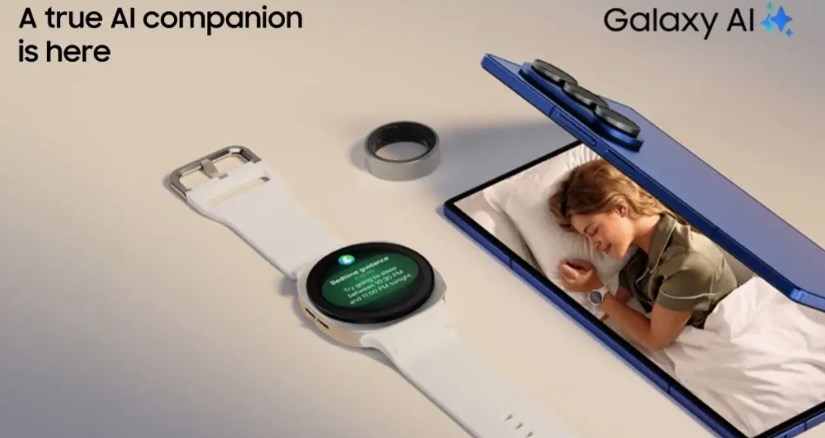
In this case, the bedroom becomes a testing ground for what Samsung calls “ambient intelligence” — technology that works in the background and responds naturally to human behavior. The sleep-focused cooling system is expected to appeal particularly to health-conscious consumers and smart home enthusiasts. Many people already rely on sleep-tracking apps and wearables to understand their rest patterns. Samsung is now adding another layer by allowing that data to actively influence the environment itself.
Instead of simply telling users they had a poor night’s sleep, the system attempts to help prevent sleep disruptions before they happen. There is also a convenience factor. Anyone who has ever woken up in the middle of the night feeling too hot or too cold understands how frustrating inconsistent room temperature can be. Samsung’s AI AC aims to remove that annoyance by continuously optimizing conditions throughout the night.
The feature could become especially attractive in regions with hot and humid climates, where nighttime comfort often depends heavily on air conditioning. In countries across Asia and the Middle East, where AC usage is extremely common, smarter cooling solutions may find a strong market. Samsung’s latest development also reflects a larger trend in the smart appliance industry. Home devices are becoming more personalized as companies use AI and sensor data to tailor experiences to individual users.
Refrigerators can recommend recipes based on available ingredients. Washing machines can detect fabric types and automatically adjust wash cycles. Now air conditioners are beginning to understand sleep behavior. The goal is to make homes feel adaptive rather than static. Privacy, however, will remain an important conversation around these types of technologies. Since the system relies on personal health and sleep data, some users may have concerns about how that information is collected, stored, and used. Samsung says its ecosystem is built with security protections and encrypted connections, but as AI-powered smart homes become more advanced, consumers are paying closer attention to data privacy practices. Samsung’s AI AC uses wearables to track and adjust sleep comfort
Even so, many users may see the benefits as outweighing the concerns, particularly if the technology genuinely improves sleep quality and comfort. Samsung has been steadily expanding its AI branding across multiple product categories, from smartphones and TVs to kitchen appliances and home electronics. The company increasingly markets AI not as a single feature, but as an interconnected experience across devices. Its smart air conditioner strategy fits directly into that vision.
The integration between wearables and appliances also gives Samsung an advantage within its own ecosystem. Consumers who already own Galaxy devices may find added value in staying within Samsung’s product family, where gadgets can work together more smoothly. This ecosystem strategy has become a key battleground among major tech companies. Brands are no longer just competing product against product. They are competing ecosystem against ecosystem.
Samsung hopes that features like AI sleep cooling can strengthen customer loyalty while showcasing the practical side of connected living. As smart home technology evolves, the line between health tech and home appliances continues to blur. A wearable device on someone’s wrist or finger can now influence how a bedroom feels, how much energy an appliance uses, and potentially how rested a person feels the next morning. That kind of integration once sounded like science fiction. Now it is quickly becoming part of everyday life.
Samsung’s AI-powered sleep comfort system may still be an early glimpse of what fully connected homes could look like in the future, but it signals where the industry is heading. Homes are becoming more responsive, more personalized, and increasingly aware of human habits and routines. For consumers, that could mean a future where technology quietly works behind the scenes to improve comfort, wellness, and efficiency without demanding constant attention. And for Samsung, it represents another step toward building a smarter home ecosystem powered not just by. Samsung’s AI AC uses wearables to track and adjust sleep comfort
About the Author