Samsung settles patent lawsuit related to Wireless PowerShare on Galaxy phones – Samsung has reached a settlement in a long-running patent dispute involving Wireless PowerShare, the reverse wireless charging feature available on many of its Galaxy smartphones. The agreement brings an end to a legal battle that raised questions about the technology behind one of Samsung’s most useful smartphone features and the company’s potential exposure to patent infringement claims in the United States.
The dispute involved Samsung Electronics, patent holder WiPQTUS Inc., and Japanese semiconductor company Renesas Electronics America Inc. The parties have agreed to end the litigation, putting an end to a case that had remained active for several years. The settlement is particularly significant because Wireless PowerShare has been included in numerous premium Galaxy devices, allowing users to share battery power with compatible smartphones, wireless earbuds, and smartwatches.
According to reporting published on November 11, 2026, the companies submitted a joint stipulation of dismissal, confirming that all claims connected to the litigation would be dismissed. The parties also agreed not to bring another lawsuit involving the same issue in the future.
Although the settlement closes an important chapter in Samsung’s patent disputes, it does not necessarily mean the company admitted wrongdoing. The financial terms of the agreement have not been publicly disclosed, leaving questions about whether Samsung made a payment, reached a licensing arrangement, or resolved the matter through other negotiated conditions.
For Galaxy owners, however, the development provides some reassurance. The dispute has now been resolved, and there is no announced indication that Samsung plans to remove Wireless PowerShare from its smartphones because of this particular case.
Understanding the Wireless PowerShare Patent Dispute
Wireless PowerShare is a feature that turns a compatible Galaxy smartphone into a wireless charging surface. Instead of relying on a traditional charging cable or separate wireless charging pad, users can place another compatible device on the back of their phone to transfer battery power.
The technology is especially useful when someone needs to give their wireless earbuds or smartwatch a quick battery boost while traveling. It can also help charge another compatible smartphone when a conventional charger is unavailable.
However, the technology behind reverse wireless charging is more complicated than it might appear. It requires a smartphone to transfer energy wirelessly rather than simply receive power from a charging accessory. That process involves specialized hardware, power management systems, and communication between compatible devices.
The patent at the center of the dispute was registered with the United States Patent and Trademark Office in 2018 under the title “Dual Mode Wireless Power Receiver.” It reportedly describes technology associated with wireless power reception and the ability to use a smartphone as a charging source for another device.
The dispute eventually involved claims concerning Samsung products that supported Wireless PowerShare. The controversy demonstrated how even widely adopted smartphone features can become the subject of complicated intellectual property disagreements.
Patent disputes are common in the technology industry because companies frequently develop products using similar underlying technologies. Even when a feature looks straightforward to consumers, its implementation may involve multiple patented inventions and technical processes.
Galaxy Smartphones Named in the Lawsuit
The legal dispute was particularly important because the complaint reportedly identified several generations of Samsung Galaxy devices. These included the Galaxy S10, Galaxy S20, Galaxy S21, and Galaxy S22 families, alongside the Galaxy Note10 and Note20.
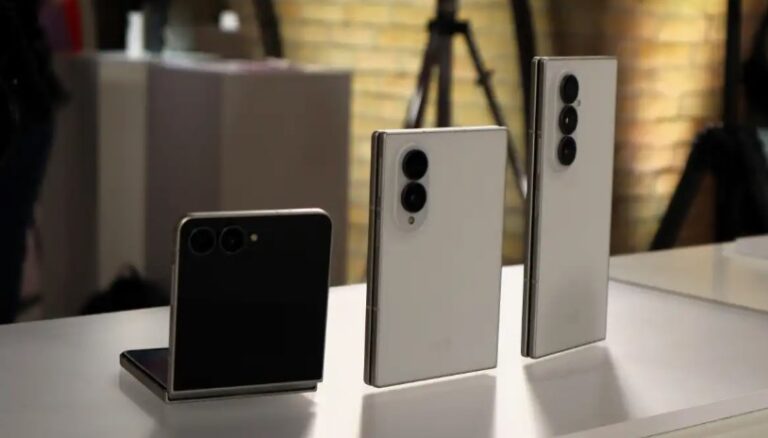
Samsung’s foldable smartphones were also included in the dispute, covering products from the Galaxy Z Fold and Galaxy Z Flip families.
The Galaxy S10 series was especially relevant because it introduced Wireless PowerShare to Samsung’s mainstream premium smartphone lineup in 2019. The feature quickly became one of the company’s recognizable additions, giving Galaxy users another way to manage their devices without carrying multiple charging accessories.
Over subsequent generations, Samsung continued offering reverse wireless charging on selected flagship smartphones. This helped establish Wireless PowerShare as a familiar part of the Galaxy ecosystem.
For consumers, the feature offered convenience rather than a dramatic change in smartphone performance. Someone could place Galaxy Buds on the back of a compatible phone and let the earbuds recharge without searching for a power outlet.
Nevertheless, the lawsuit showed that the commercial success of a smartphone feature can also attract legal scrutiny. Companies must consider patent ownership and licensing arrangements when introducing technologies that may overlap with existing intellectual property.
The inclusion of multiple Galaxy generations also made the dispute particularly relevant to Samsung’s broader smartphone business rather than a single product launch.
Settlement Brings the Legal Battle to an End
After years of legal proceedings, Samsung, WiPQTUS, and Renesas Electronics America have agreed to resolve their differences. The companies submitted a joint stipulation of dismissal, formally ending the patent infringement lawsuit.
One of the most important aspects of the agreement is that the parties have agreed to dismiss all claims related to the litigation and not pursue another lawsuit over the same issue in the future.
This is a meaningful outcome for Samsung because prolonged patent litigation can create uncertainty for major technology companies. Even when a company continues selling its products during a legal dispute, the possibility of an unfavorable ruling can introduce financial risks and complications for future product development.
However, the settlement does not reveal exactly how the companies reached their agreement. There has been no publicly confirmed figure explaining how much Samsung may have paid to resolve the dispute, if any payment was made.
That distinction matters because settling a patent lawsuit does not automatically mean that the defendant accepts the original infringement allegations. Companies frequently choose settlements to avoid additional legal expenses, reduce uncertainty, and bring complicated disputes to a close.For Samsung, resolving this case removes one particular legal concern surrounding its reverse wireless charging technology.
What the Settlement Means for Galaxy Users
For ordinary Galaxy smartphone owners, the most immediate question is whether Wireless PowerShare will continue working as expected. At this stage, there is no announced indication that the settlement will affect the availability of the feature on compatible Samsung smartphones. Users who already own supported Galaxy devices should not assume that the functionality will suddenly disappear because of the lawsuit. Samsung settles patent lawsuit related to Wireless PowerShare on Galaxy phones
Wireless PowerShare remains a practical feature for people who use multiple Samsung products. Galaxy Buds, compatible Galaxy Watches, and other Qi-compatible devices can benefit from the ability to receive power directly from a smartphone.
Of course, reverse wireless charging is generally slower and less efficient than using a dedicated charging adapter. It is designed primarily for convenience and emergency situations rather than replacing conventional charging methods.
Nevertheless, its usefulness should not be underestimated. Travelers, commuters, and people who frequently forget their charging accessories can appreciate having another option when their smaller devices run low on battery.
The settlement also highlights why intellectual property agreements are important to the smartphone industry. Consumers rarely think about patents when purchasing a new phone, but these legal protections can influence which features manufacturers develop, license, and include in their products.
A Reminder of Samsung’s Patent Challenges
Samsung is one of the world’s largest smartphone manufacturers, and its products operate in an increasingly competitive technology environment. The company regularly invests in wireless communication, charging systems, foldable displays, semiconductor technology, and artificial intelligence. However, developing advanced products also means navigating complicated patent ownership issues. Samsung settles patent lawsuit related to Wireless PowerShare on Galaxy phones
Samsung has faced various intellectual property disputes involving wireless communication standards, semiconductor technology, and smartphone functionality. Some cases have resulted in substantial financial judgments, while others have ended through negotiated settlements.
The Wireless PowerShare dispute is another example of how companies can spend years resolving disagreements over the technology inside everyday consumer products. For Samsung, reaching an agreement is likely preferable to allowing this particular case to continue creating uncertainty. The company can now focus on its Galaxy product strategy without this lawsuit remaining an unresolved issue.
The settlement also illustrates the importance of cooperation between technology companies. Patent licensing and negotiated agreements allow manufacturers to continue developing products while helping intellectual property owners protect their inventions.
What Happens Next for Wireless PowerShare?
The end of the lawsuit does not necessarily signal a major change in Samsung’s charging strategy. Instead, it removes one legal obstacle associated with an established Galaxy feature. Samsung is expected to continue focusing on improvements to battery performance, charging efficiency, and connectivity across its smartphone ecosystem. Wireless charging remains an important convenience for premium devices, particularly as consumers increasingly use smartphones alongside wireless earbuds and smartwatches.
The company will also need to remain attentive to patent licensing and intellectual property requirements as it develops new technologies. Avoiding similar disputes in the future could help reduce legal expenses and allow Samsung to concentrate more resources on research and development. Ultimately, the settlement is a positive development for Samsung because it brings a lengthy legal disagreement to a close. While the undisclosed financial terms leave some unanswered questions, the agreement removes uncertainty surrounding an important feature found across multiple generations of Galaxy smartphones. Samsung settles patent lawsuit related to Wireless PowerShare on Galaxy phones
For consumers, the biggest takeaway is straightforward: Wireless PowerShare remains a useful part of the Galaxy experience, and this particular patent dispute has been resolved without any publicly announced requirement to discontinue the feature.
The case is also a reminder that modern smartphone innovation involves much more than designing attractive devices and adding impressive specifications. Behind seemingly simple features are years of research, engineering, licensing agreements, and legal negotiations. With the settlement now in place, Samsung can move forward while Galaxy users can continue enjoying the convenience of sharing battery power between compatible devices. Samsung settles patent lawsuit related to Wireless PowerShare on Galaxy phones
About the Author