 The impeachment effort exposed deep disagreements in Washington over the Pentagon’s leadership, the administration’s military decisions, and the limits of presidential authority. Although Republicans largely stood behind Hegseth during the vote, not every lawmaker is satisfied with his performance.
For now, Hegseth can remain in his position without facing an immediate impeachment trial. But the political pressure surrounding him is unlikely to disappear. His relationship with Congress, the Pentagon’s proposed budget, and the future of American military operations could determine how long he remains politically secure. Here is what happened, why the impeachment effort failed, and what challenges could await the Pentagon chief.
1. House Republicans Block the Impeachment Effort Against Hegseth
The House of Representatives delivered a significant political victory to Hegseth on November 10, 2026, when lawmakers voted to block the impeachment effort led by Republican Representative Thomas Massie of Kentucky. The procedural motion passed by 211 votes to 204, sending the impeachment articles back to the House Judiciary Committee. Although the vote was not a direct decision on whether Hegseth was guilty of the accusations against him, it effectively stopped the effort from advancing during the current congressional session.
Republicans largely supported the move, with Massie standing as the only Republican voting against it. The outcome was particularly important for Hegseth because the administration had faced growing political pressure following the Republican Party’s disappointing midterm election results.
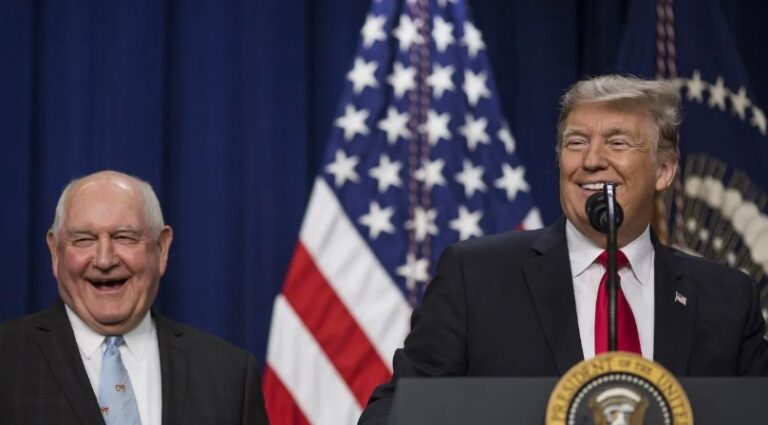
President Donald Trump had already made his support for the defense secretary clear. His backing helped strengthen Republican opposition to the impeachment effort, preventing the controversy from immediately becoming a larger crisis for the administration. For Hegseth, the result offered breathing room at a difficult moment. However, the narrow vote also demonstrated that his leadership has become a major subject of political debate in Washington.
2. Thomas Massie’s Eight Impeachment Charges Explained
The impeachment campaign was led by Massie, who introduced eight articles accusing Hegseth of serious misconduct while serving as defense secretary. Much of the resolution focused on the administration’s handling of the war with Iran. Massie argued that Hegseth had participated in military operations without the necessary authorization from Congress, raising questions about the constitutional limits of executive power.
One of the central accusations involved the War Powers Resolution, which generally requires the president to obtain congressional authorization for continued military involvement beyond 60 days, subject to certain exceptions. Massie argued that the Iran conflict had continued for 256 days without congressional approval. Other allegations involved American military operations in Yemen and Venezuela, as well as strikes against suspected drug-smuggling vessels in the Caribbean and Eastern Pacific.
Massie also criticized Hegseth over the handling of civilian casualties. One particularly serious issue involved reported reductions in personnel and resources at a Pentagon office responsible for reducing civilian harm. Those changes preceded a US missile strike on an Iranian elementary school that reportedly killed as many as 168 people. Another article concerned the Pentagon’s attempt to punish Democratic Senator Mark Kelly, a retired Navy pilot, following his participation in a video reminding military personnel that they have an obligation to refuse unlawful orders.
Massie argued that these actions represented an abuse of power and a failure to respect legal restrictions governing military operations. Hegseth rejected the accusations, insisting that he had acted within his authority. These allegations remain politically and legally contentious. The failed procedural vote did not establish whether the accusations were true or false.
3. Hegseth Fights Back and Calls the Impeachment Push Political Theater
Hegseth did not remain silent as lawmakers debated his future. On November 10, he appeared at a rare Pentagon news conference and delivered a forceful response to the impeachment campaign. He described the effort as a political spectacle driven by personal resentment rather than legitimate concerns about his performance.
The defense secretary also accused Massie of undermining American military personnel by questioning the legality of operations conducted under his leadership. According to Hegseth, the impeachment campaign risked sending the wrong message to America’s adversaries. He argued that challenging the Pentagon’s military decisions while American forces were conducting operations could weaken confidence in the country’s military leadership.
Hegseth maintained that he stood behind the operations and believed they were lawful. He also rejected the suggestion that the accusations against him met the constitutional standard required for impeachment. His public defense was clearly intended to reassure supporters inside and outside the Pentagon. Rather than presenting the controversy as a personal political problem, he framed it as an attack on the military’s broader mission.
Trump quickly supported that message. Following the House vote, the president celebrated the outcome and praised Hegseth’s performance, describing the failed impeachment effort as a victory for a patriotic public servant. Vice President JD Vance also dismissed the campaign as a political distraction. Nevertheless, strong statements from the White House cannot eliminate the questions surrounding military accountability. Hegseth will still have to deal with lawmakers seeking explanations about the administration’s decisions.
4. Democrats Are Preparing for a New Battle in January
Perhaps the biggest challenge facing Hegseth is not the impeachment effort that just failed but the political situation developing in Congress. Following their significant midterm election gains, Democrats are preparing to take control of Congress in January 2027. That change could dramatically alter the political environment surrounding the Pentagon chief.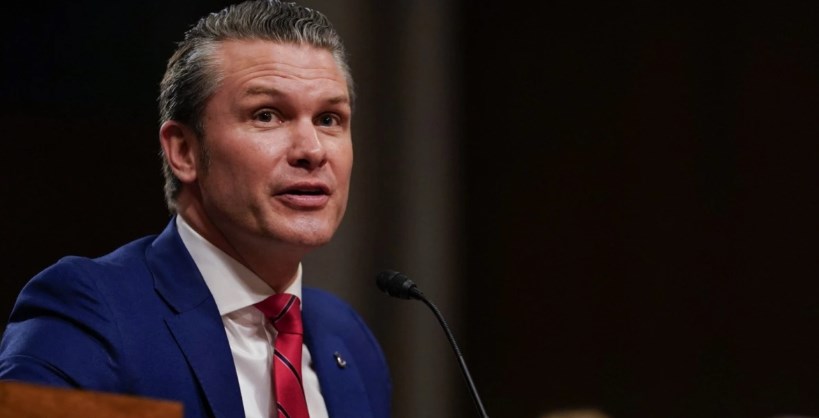
House Democratic leader Hakeem Jeffries has already made it clear that he wants Hegseth to leave his position. Democratic lawmakers have accused the secretary of abusing his authority and putting American national security at risk. The incoming Democratic majority will have greater power to investigate the Pentagon, request documents, organize hearings, and question administration officials. That means Hegseth could face repeated congressional scrutiny even if Democrats do not immediately introduce another impeachment resolution.
There is also the possibility that lawmakers could revisit the impeachment effort after the new Congress begins. The failure of Massie’s resolution does not permanently prevent another attempt. However, removing Hegseth through impeachment would still be difficult. Even if the House approves articles of impeachment, conviction in the Senate requires a two-thirds majority.
For Democrats, the immediate priority may be gathering evidence and examining the administration’s military decisions rather than rushing into another impeachment battle. This approach could create a prolonged political challenge for Hegseth, particularly if investigations uncover additional information about the Iran war or other controversial military operations.
5. Pentagon Funding Could Become Another Major Problem
Beyond impeachment, Hegseth faces another difficult challenge involving the Pentagon’s proposed budget. The Trump administration has requested approximately $1.5 trillion in defense funding for fiscal year 2027, an extraordinary figure that is expected to generate intense debate among lawmakers. Democrats are likely to challenge the size of the request, particularly as concerns about the economic consequences of the Iran war continue to influence political discussions.
Budget negotiations could become an important test of Hegseth’s ability to work with Congress. The defense secretary needs lawmakers to approve funding for military operations, equipment, personnel, and other Pentagon priorities. However, his relationship with Democratic lawmakers has deteriorated significantly. Some members of Congress have argued that the Pentagon will struggle to secure cooperation while Hegseth remains unwilling or unable to build productive relationships with lawmakers across party lines.
Representative Eugene Vindman, a Democrat from Virginia, questioned whether the department had any meaningful working relationship with Democratic members of Congress. Senator Tim Kaine has also criticized Hegseth’s involvement in the Iran conflict, arguing that ending what he considers an unauthorized war should be a priority. These disagreements could make upcoming budget negotiations especially difficult. Even if Hegseth avoids impeachment, a prolonged funding dispute could weaken his position and complicate the Pentagon’s ability to carry out its plans.
6. Iran War Controversy Continues to Damage Hegseth’s Political Position
The conflict with Iran remains one of the most serious issues confronting Hegseth. The administration’s military strategy has attracted criticism from Democrats and some Republicans, particularly as the conflict has continued without a clear political resolution. The war has also contributed to economic concerns, including rising fuel prices that have frustrated American households. Those financial pressures became an important part of the political environment surrounding the 2026 midterm elections.
Republicans suffered significant losses, and some members of the party blamed the conflict and its economic consequences for the disappointing results. Hegseth has repeatedly defended the administration’s military decisions, presenting them as necessary to protect American interests and national security. Trump has also praised the military’s performance, arguing that operations against Iran have significantly weakened the country’s military capabilities.
However, military success and political support are not necessarily the same thing. Even when an administration claims victories on the battlefield, voters may remain concerned about the financial costs, potential casualties, and possibility of a prolonged conflict. For Hegseth, the challenge is explaining the Pentagon’s strategy while convincing lawmakers and the American public that the administration has a clear plan for what comes next. If the conflict continues without a convincing resolution, pressure on the defense secretary could increase.
7. Republicans Are Not Entirely Comfortable With Hegseth’s Leadership
Although Republicans helped block the impeachment effort, their support should not automatically be interpreted as complete confidence in Hegseth. Some Republican lawmakers have expressed concerns about his leadership and the administration’s military policies. However, they argued that the specific allegations in Massie’s impeachment resolution did not justify removing him from office.
Representative Don Bacon, a retiring Republican from Nebraska, was among those who criticized aspects of Hegseth’s performance while questioning whether the impeachment charges had sufficient merit. This distinction matters because congressional Republicans may support Trump politically without agreeing with every decision made by his defense secretary. Pete Hegseth survives impeachment vote but challenges still loom
The upcoming congressional session could reveal how strong that support really is. Republicans will have to decide whether they want to defend Hegseth against Democratic investigations, challenge his military strategy, or distance themselves from decisions that could become politically unpopular.
Hegseth’s position will therefore depend on more than his relationship with Trump. Maintaining confidence among lawmakers will also be essential. If Republican criticism becomes more widespread, the defense secretary could find himself increasingly isolated, even without a successful impeachment campaign.
8. What Happens Next for Pete Hegseth?
Hegseth has survived the immediate threat of impeachment, but his political problems are far from resolved. The failed vote effectively blocks Massie’s current effort during the remaining weeks of the congressional session. However, Democrats are preparing to take control in January, creating new opportunities for investigations and potential impeachment proceedings.
The Pentagon’s massive budget request will also force Hegseth into difficult negotiations with lawmakers who have questioned his leadership. Meanwhile, the Iran war remains a major source of disagreement, with questions about congressional authorization, civilian casualties, military strategy, and the financial consequences still unresolved.
Trump’s continued support gives Hegseth an important political advantage. The president has repeatedly defended him, and Republican lawmakers have so far demonstrated a willingness to stand behind the administration. But presidential support does not guarantee long-term political security.
Hegseth will need to demonstrate that the Pentagon can operate effectively, maintain public confidence, and cooperate with Congress despite the growing political divisions surrounding his leadership. The coming months could determine whether his survival in the House represents the beginning of a political recovery or simply a temporary pause before another confrontation. Pete Hegseth survives impeachment vote but challenges still loom
Final Thoughts
Pete Hegseth’s survival of the impeachment effort represents an important victory for the Trump administration, but it does not resolve the controversy surrounding his leadership of the Pentagon. The November 10 House vote of 211-204 stopped the immediate impeachment campaign, allowing Hegseth to remain in office without facing a Senate trial for now. Pete Hegseth survives impeachment vote but challenges still loom
However, the accusations involving the Iran war, military operations, civilian casualties, and alleged abuses of authority remain politically significant. With Democrats preparing to take control of Congress in January 2027, Hegseth could face a much more challenging environment. Investigations, budget disagreements, and renewed impeachment discussions may keep his leadership under pressure.