US-Iran war has caused over $200 billion in damage – The conflict between the United States and Iran has created a devastating economic and humanitarian crisis across the Middle East, with the financial consequences extending far beyond the countries directly involved in the fighting. New estimates suggest that physical damage and economic losses across Gulf countries have exceeded $200 billion, highlighting the enormous price the region is paying for a war that has disrupted energy supplies, international shipping, trade, and everyday life.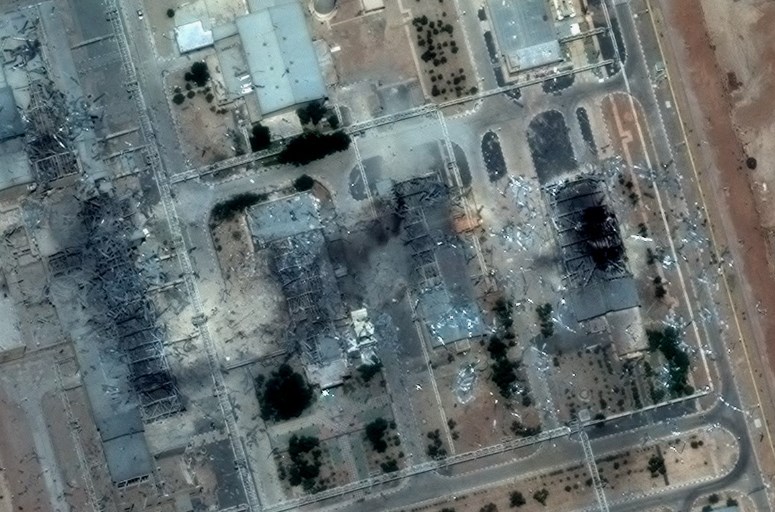
According to an assessment by Allianz Trade, physical damage across the Gulf region is estimated at slightly more than $200 billion. The damage is concentrated particularly in countries affected by disruptions around the Strait of Hormuz, with energy infrastructure accounting for a significant share of the destruction.
The estimate offers a sobering picture of how quickly a regional military confrontation can become an economic disaster. Airports, seaports, energy facilities, commercial properties, and other important infrastructure have been affected by attacks and the wider consequences of the conflict.
Although the United States and Iran are at the center of the confrontation, neighboring Gulf countries have experienced many of its most damaging consequences. Their economies depend heavily on stable energy production, international trade, and secure shipping routes. When those systems are disrupted, the financial consequences spread quickly across the region and beyond.
More Than $200 Billion in Damage Across Gulf Countries
The Allianz Trade assessment places physical damage across the region at just above $200 billion. It also warns that the broader economic losses could approach four times that amount by 2030 if the consequences of the conflict continue to affect investment, production, trade, and economic growth.
One of the most alarming findings is the extent of the damage to energy infrastructure. More than 80 energy facilities across Gulf Cooperation Council countries were reportedly hit during the conflict. Around one-third of those facilities suffered severe damage, making repairs and the restoration of normal operations particularly challenging.
Kuwait, Qatar, and Bahrain were among the countries reporting significant damage to energy facilities. These countries occupy important positions in the international energy market, meaning that disruptions to their production and export capabilities can have consequences well beyond their borders.
The destruction of energy facilities is particularly concerning because rebuilding them is neither simple nor inexpensive. Oil and gas infrastructure requires specialized equipment, skilled workers, extensive safety inspections, and reliable supply chains. Even after the immediate fighting stops, restoring damaged facilities could take considerable time.
The financial burden also extends to infrastructure that supports the wider economy. Airports and seaports are essential for transporting passengers, industrial materials, food, and consumer goods. Damage to these facilities can slow business activity and make it more expensive to move products throughout the region.
Strait of Hormuz Becomes a Major Economic Pressure Point
The Strait of Hormuz has become one of the most important flashpoints in the conflict because of its strategic position in global energy transportation. This narrow waterway connects the Persian Gulf with international shipping routes and carries a substantial share of the world’s oil and liquefied natural gas exports.
When Iran restricted shipping through the strait in response to the US-Israeli attacks, the consequences reached international markets almost immediately. Tankers faced uncertainty, shipping companies had to reconsider routes, and energy buyers became increasingly concerned about the reliability of supplies.
The disruption demonstrated how vulnerable the global economy remains to instability around major maritime routes. Even countries located thousands of miles from the Middle East can experience higher fuel prices, increased transportation costs, and more expensive consumer goods when energy shipments are interrupted.
For Gulf countries, the situation is especially serious. Their economic systems depend on the ability to export oil and gas efficiently. A prolonged disruption can reduce government revenues, delay investment projects, and create uncertainty for companies that depend on international trade.
Shipping companies also face additional expenses associated with insurance, security, delays, and alternative transportation arrangements. These costs can eventually be passed on to businesses and consumers, adding another layer of financial pressure.
Economic Consequences Extend Beyond Physical Destruction
The $200 billion estimate represents only part of the financial damage. The longer-term economic consequences could prove considerably more expensive, particularly if businesses delay investment or international companies reconsider their presence in the region.
Allianz Trade estimates that total economic losses could approach four times the direct physical damage by 2030. This broader figure reflects the potential impact of interrupted business operations, reduced production, weaker investment, and lost economic opportunities.
Tourism is another industry facing serious challenges. Gulf countries have invested heavily in hotels, entertainment destinations, international events, and major tourism developments. However, security concerns can discourage international visitors and lead airlines and travel companies to reconsider their schedules.
Small businesses are also vulnerable. Restaurants, retailers, transport companies, and local service providers depend on regular customer activity. When people become concerned about security or economic uncertainty, spending often declines. Businesses that already operate with limited financial reserves may struggle to survive an extended period of disruption.
The situation also creates difficulties for governments. They must balance spending on infrastructure repairs, emergency services, security, and economic support while potentially receiving less revenue from affected industries.
The Human Cost Behind the Financial Figures
While billion-dollar estimates attract international attention, the consequences of war are ultimately experienced by ordinary people.
Workers can lose their jobs when factories, energy facilities, and transportation businesses suspend operations. Families may face higher living expenses as fuel, food, and imported products become more expensive. Even people who live far from damaged infrastructure can feel the effects through inflation and uncertainty.
The disruption of transportation networks can also affect access to essential goods. Gulf countries rely on international supply chains for a wide range of products, including food, medicine, industrial equipment, and construction materials. Shipping delays and higher insurance costs can make these products more expensive and difficult to obtain.
There is also the psychological burden of living with continuing security concerns. Businesses may hesitate to reopen, families may reconsider travel plans, and employees may worry about the stability of their workplaces. These less visible consequences are difficult to calculate but can influence economic recovery for years.
The damage to energy infrastructure raises additional concerns about employment and public finances. Oil and gas revenues support government budgets in several Gulf countries, helping fund public services, development projects, and social programs. A prolonged reduction in production could force governments to reconsider spending priorities.
Rebuilding Could Take Years
Repairing the damage will require significant financial resources and international cooperation. Energy facilities are particularly complicated to restore because they involve advanced technology, specialized machinery, and strict safety requirements. US-Iran war has caused over $200 billion in damage
Governments will also need to assess damaged airports, ports, roads, and other essential infrastructure before normal operations can fully resume. Reconstruction projects could create employment opportunities, but they will also place considerable pressure on public budgets.
The scale of the challenge depends heavily on whether the region experiences lasting peace. A stable security environment would encourage investors to return, allow shipping companies to resume normal operations, and give businesses greater confidence to rebuild.
However, another escalation could undermine those efforts. Companies that have already experienced significant losses may become reluctant to invest additional money in locations where future disruptions remain possible.
The international community also has an important role to play. Diplomatic negotiations, maritime security arrangements, and regional cooperation could help reduce the risks facing commercial shipping and energy infrastructure.
A Warning About the Global Economic Impact of War
The estimated $200 billion in physical damage across Gulf countries demonstrates that the consequences of the US-Iran conflict cannot be measured only through military spending or battlefield developments.
It is important to distinguish between the different financial estimates. Allianz Trade’s figure concerns physical damage across the Gulf region, while separate estimates measure the military expenses of the United States and the economic damage reported inside Iran. These figures describe different categories of losses and should not simply be added together.
For example, US military expenses were estimated at more than $47 billion by mid-October, according to reporting based on US Central Command figures. That estimate does not include all the damage to regional military facilities or the wider economic consequences of the conflict.
The Gulf’s experience also illustrates how interconnected the modern global economy has become. A conflict involving two major regional powers can affect energy markets, international shipping, consumer prices, business investment, and government finances around the world.
Ultimately, the most important question is how quickly the region can move from destruction toward recovery. Rebuilding damaged facilities will require money, time, and technical expertise, but restoring investor confidence and economic stability may prove even more difficult.
The more than $200 billion damage estimate is therefore not simply a financial headline. It is a warning about the lasting consequences of military escalation. Without a durable diplomatic solution, the economic burden could continue growing long after the most intense fighting has ended. US-Iran war has caused over $200 billion in damage
About the Author