Iran will respond ‘decisively’ to any attack, chief negotiator warns
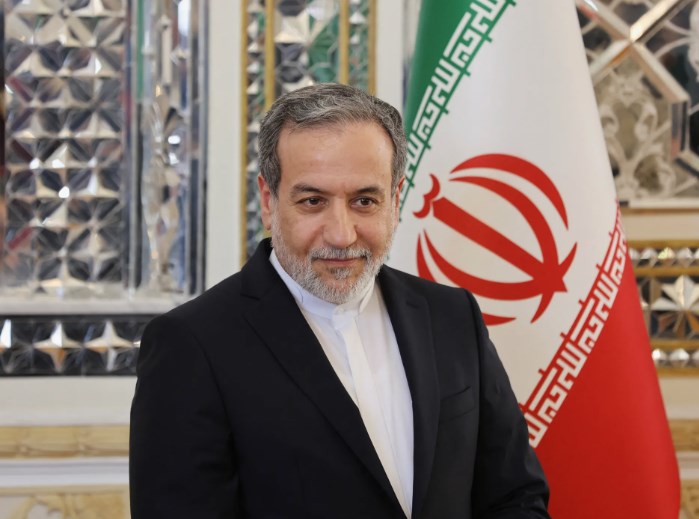
Iran will respond ‘decisively’ to any attack, chief negotiator warns – Iran has issued a stark warning that it will respond “decisively” to any military attack against its territory or interests, reinforcing an increasingly confrontational stance as tensions with the United States and Israel continue to intensify across the Middle East.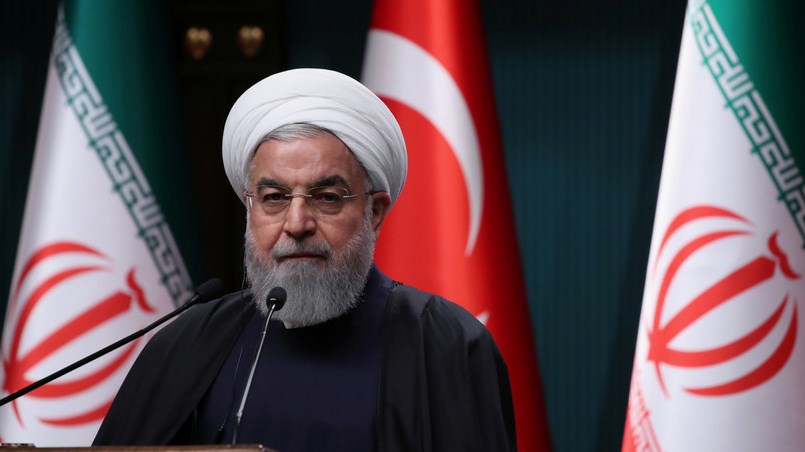
The statement, delivered by senior Iranian officials including parliament speaker and chief negotiator Mohammad Bagher Ghalibaf, signals that Tehran is prepared for rapid retaliation if it believes its sovereignty is violated. The warning comes at a moment when diplomatic channels remain fragile, regional conflicts are interconnected, and military activity across multiple fronts—Lebanon, the Red Sea, and the Gulf—has raised fears of a broader escalation.
A clear message from Tehran: retaliation is guaranteed
Iran’s chief negotiator and parliament speaker Mohammad Bagher Ghalibaf reiterated this week that Iran will not hesitate to respond if attacked, describing any aggression as something that would be met with “decisive” and immediate retaliation. His remarks were echoed by Foreign Minister Abbas Araghchi, who emphasized that Iranian forces are already engaged in defensive operations and monitoring hostile activity across the region.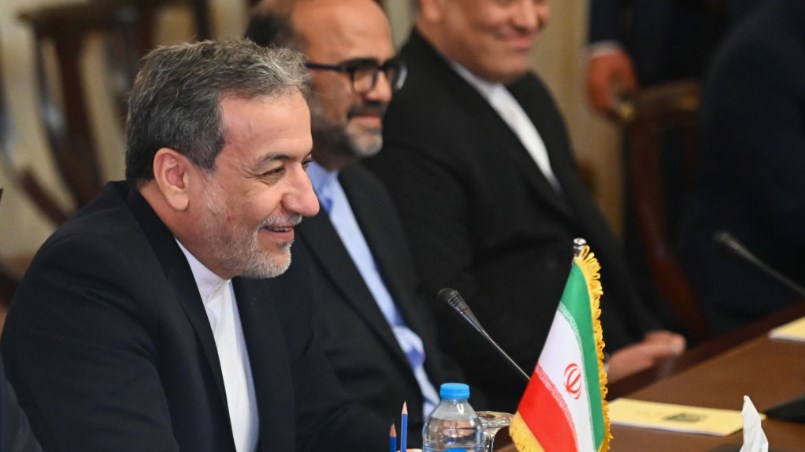
According to Iranian officials, any military action against the country would not be treated as a limited or isolated event, but rather as a trigger for broader escalation. The message is consistent with Iran’s long-standing defense doctrine: deterrence through the promise of strong counterstrikes. In earlier statements, Iranian representatives have gone even further, warning that military aggression could be treated as an “all-out war” scenario, depending on its scale and origin.
Rising regional tensions fuel the warning
The latest Iranian statements are unfolding against a backdrop of increasing instability in the Middle East. In recent weeks, indirect negotiations between Iran and the United States have been disrupted, with Tehran suspending talks after accusing Israel of violating ceasefire understandings in Lebanon and Gaza.
At the same time, military activity in multiple theaters has intensified:
- Israeli operations in Lebanon, particularly around Hezbollah strongholds in southern Beirut and the Dahieh district
- U.S. strikes on radar and drone-related infrastructure linked to Iranian capabilities
- Retaliatory strikes attributed to Iran or aligned groups targeting regional U.S. interests
- Continued tensions in the Red Sea involving Houthi forces, widely seen as aligned with Iranian strategic interests
These overlapping crises have created what analysts describe as a “multi-front pressure environment,” where localized clashes risk triggering broader conflict dynamics. According to recent reporting, Iran has warned that any escalation in Lebanon or Gaza would be treated as part of a wider violation of regional stability agreements, not isolated incidents. Iran will respond ‘decisively’ to any attack
Iran’s negotiating position: deterrence and diplomacy at once
Despite the strong rhetoric, Iranian officials continue to insist that the country does not seek war. Instead, Tehran’s messaging is carefully balanced between deterrence and diplomacy. Foreign Minister Araghchi has repeatedly stated that Iran’s military posture is defensive, and that escalation would not solve the underlying political disputes. He has also warned that sanctions and previous rounds of conflict have failed to achieve Western objectives, implying that further pressure would only deepen instability rather than resolve it.
At the same time, Iran has made it clear that negotiations remain conditional. Tehran insists that any return to talks with the United States must include:
- A halt to Israeli military operations in Lebanon and Gaza
- Recognition of Iranian security concerns across regional flashpoints
- Potential easing of sanctions and economic pressure
- Respect for what Iran defines as regional sovereignty and deterrence boundaries
This dual-track approach—military readiness combined with conditional diplomacy—has become a defining feature of Iran’s current foreign policy strategy.
Military readiness and deterrence posture
Iranian military leaders have also reinforced the country’s readiness for escalation. Officials have stated that Iranian armed forces are prepared for “real-time” responses to any attack, and that operational plans are already in place for a variety of scenarios.
Iran’s defense doctrine emphasizes rapid retaliation, particularly against perceived threats from U.S. military bases in the region or Israeli strategic infrastructure. Senior security officials have previously warned that any strike on Iranian territory could lead to counterattacks targeting regional military installations associated with adversary forces.
In earlier statements, Iranian commanders have claimed that the country’s military preparedness includes a wide range of capabilities designed to deter foreign intervention, including missile forces and asymmetric warfare strategies. While these claims are part of Iran’s broader deterrence messaging, they also reflect the high level of military alertness currently maintained across the region.
The broader geopolitical chessboard
The situation is further complicated by the involvement of multiple external powers. The United States continues to maintain a significant military presence in the Middle East, including naval deployments and air assets. Israel, meanwhile, has intensified its focus on Hezbollah in Lebanon, viewing it as a critical security threat along its northern border.
European countries and the United Nations have attempted to encourage de-escalation, but diplomatic progress remains limited. In parallel, regional actors such as Pakistan and Gulf states have attempted to mediate indirectly, though with mixed success. Oil markets have also reacted sharply to developments, with prices fluctuating in response to fears that any major escalation could disrupt shipping routes through the Strait of Hormuz or the Red Sea. Iran will respond ‘decisively’ to any attack
A region on edge
The language used by Iranian officials—particularly terms like “decisively,” “immediate retaliation,” and “all-out war” scenarios—reflects the seriousness of the current geopolitical moment. However, such statements also serve a strategic purpose: deterrence through uncertainty.
By signaling strong retaliation capabilities, Iran aims to discourage potential attacks while maintaining leverage in ongoing negotiations. At the same time, adversaries interpret these warnings as indicators of heightened risk, further contributing to a cycle of military preparedness on all sides. Experts say this dynamic creates a precarious balance: one miscalculation, whether in Lebanon, the Gulf, or elsewhere, could rapidly escalate into a wider confrontation.
Conclusion: deterrence or escalation?
Iran’s latest warning that it will respond “decisively” to any attack underscores the fragile state of regional security. While Tehran insists it does not seek war, its messaging leaves little ambiguity about how it would respond if conflict breaks out.
With diplomacy stalled, military activity rising, and regional conflicts overlapping, the Middle East remains in a highly volatile state. The coming weeks are likely to determine whether current tensions can be contained—or whether they spiral into a broader confrontation involving multiple state and non-state actors. For now, the message from Tehran is clear: any attack will be met with force, and Iran is prepared to respond without delay. Iran will respond ‘decisively’ to any attack
About the Author