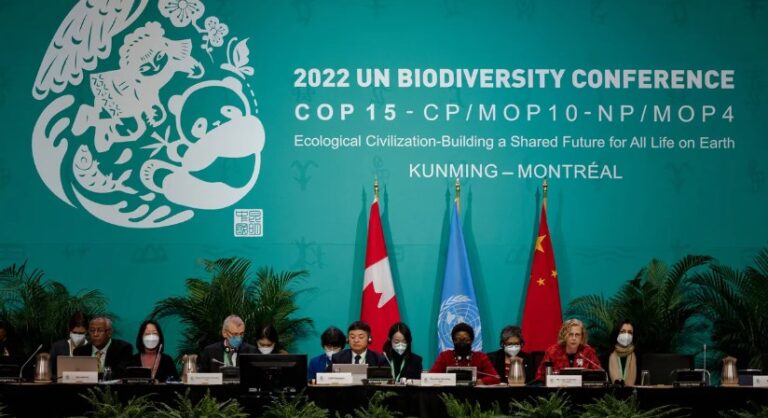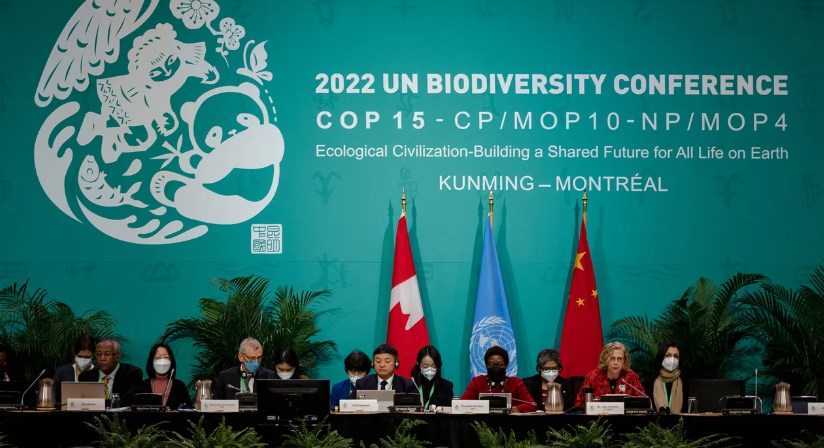
Greenpeace criticises UN biodiversity summit – The United Nations biodiversity summit in Yerevan, Armenia, was expected to give the world a stronger plan for protecting forests, oceans, wildlife, and other natural ecosystems. Instead, the meeting ended with fresh concerns about whether governments are moving quickly enough to prevent further environmental destruction. Greenpeace has criticised the outcome, saying that although countries made some progress, their decisions do not match the seriousness of the biodiversity crisis.
The 17th Conference of the Parties to the UN Convention on Biological Diversity, known as COP17, brought together representatives from nearly 200 countries for two weeks of negotiations. The discussions focused on reviewing progress under the Kunming-Montreal Global Biodiversity Framework, an international agreement adopted in 2022.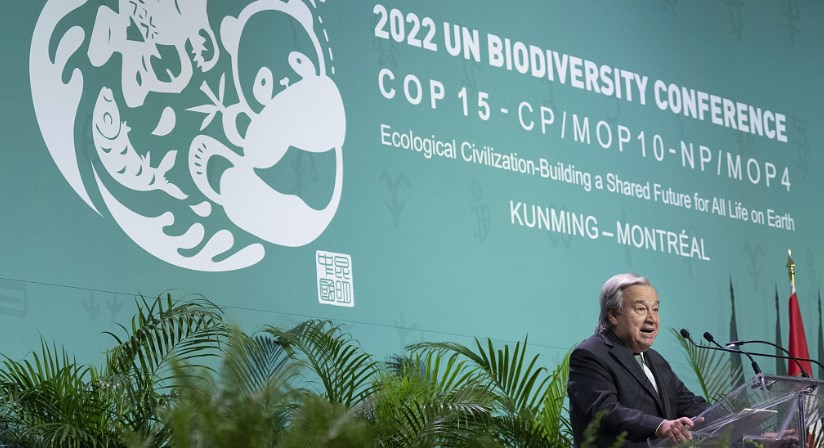
That framework established ambitious targets for protecting nature by 2030. But with only four years remaining, Greenpeace believes the world is falling dangerously behind. The organisation says governments cannot afford to keep discussing environmental problems without delivering stronger policies, adequate funding, and meaningful changes on the ground.
A Summit That Failed to Match the Urgency of the Crisis
COP17 was an important moment for international environmental cooperation because it marked the first global review of progress under the Kunming-Montreal biodiversity agreement. Governments had an opportunity to assess what was working, identify major failures, and agree on steps to bring the world closer to its conservation commitments.
One of the agreement’s best-known goals is the so-called 30-by-30 target. It calls for protecting at least 30% of the world’s land and oceans by 2030. Other commitments include restoring 30% of degraded ecosystems, reducing pollution, addressing invasive species, and changing economic practices that contribute to environmental destruction.
However, Greenpeace says the latest assessment shows that the international community remains far from achieving most of these objectives. The organisation warned that the world is seriously off track on 22 of the framework’s 23 targets. In its view, COP17 kept negotiations moving but did not produce the major acceleration needed to reverse biodiversity loss.
The criticism does not mean that the summit achieved nothing. Governments agreed on a pathway intended to speed up implementation through 2030. Nevertheless, Greenpeace argues that a new set of political commitments will have limited value unless countries translate them into practical action. Protecting nature requires more than statements made during international conferences; it requires decisions that change how governments spend money, manage land, and regulate industries. Greenpeace criticises UN biodiversity summit
Funding Remains a Major Obstacle
One of Greenpeace’s biggest concerns is the lack of sufficient financial support for biodiversity protection. Conservation programmes require long-term investment, particularly in developing countries where many important ecosystems are located but public resources may be limited.
The Kunming-Montreal framework aims to mobilise $200 billion annually for biodiversity by 2030, including $30 billion a year in international support for developing countries. These financial commitments are important because protecting forests, restoring wetlands, monitoring endangered species, and managing marine areas all require people, equipment, research, and reliable funding.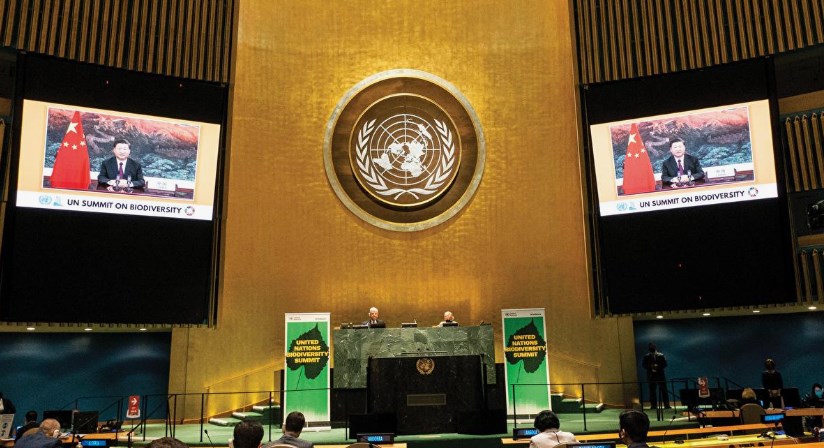
Greenpeace argues that the money needed to protect nature is still not flowing quickly or consistently enough. The organisation has also criticised the failure to resolve major barriers involving the Cali Fund, a mechanism designed to share benefits from the commercial use of digital sequence information on genetic resources. The fund has struggled to attract meaningful contributions, raising questions about whether businesses that benefit from nature are doing enough to support its protection.
An Lambrechts, a biodiversity policy expert at Greenpeace International, said multinational companies should not be able to generate enormous profits from natural resources while contributing very little to conservation. Greenpeace believes businesses must take greater responsibility for the environmental consequences of their activities.
The wider issue is not simply how much money governments promise. It is also whether funding reaches the communities and projects that need it most. Without reliable financial arrangements, even ambitious conservation targets risk becoming difficult to achieve.
Harmful Subsidies Continue to Encourage Environmental Damage
Greenpeace has also raised concerns about government subsidies and financial incentives that support activities harmful to nature. These policies can encourage deforestation, pollution, overfishing, and unsustainable agricultural practices, even while governments publicly promise to protect biodiversity.
The global biodiversity framework calls for identifying and reforming incentives that damage the environment, with the goal of reducing harmful subsidies by at least $500 billion annually by 2030. This is a significant challenge because some of these financial arrangements are deeply connected to established industries and national economic policies. Greenpeace criticises UN biodiversity summit
For example, subsidies may reduce the cost of activities that contribute to habitat destruction or excessive resource extraction. Governments may continue supporting these practices because they provide jobs, generate revenue, or help maintain important industries. However, the environmental costs can be substantial and may eventually affect food supplies, water security, and local livelihoods.
Greenpeace believes governments must stop using public money to support activities that undermine their own conservation commitments. It has called for stronger action to redirect financial support towards sustainable industries and environmental restoration.
The organisation also highlighted Belgium as an example of the problem. Greenpeace Belgium criticised the country’s failure to publish an inventory of environmentally harmful subsidies, despite a commitment made several years earlier. The group argued that continuing to support damaging activities while biodiversity is declining represents a serious failure of political responsibility.
Indigenous Peoples Must Have a Stronger Voice
Another major issue raised by Greenpeace concerns the rights of Indigenous Peoples and local communities. These groups often live in areas with rich biodiversity and have developed generations of knowledge about protecting forests, rivers, wildlife, and other ecosystems. Their contribution is particularly important because conservation is not simply about creating protected areas on a map. Effective environmental protection also depends on recognising the people who live in those territories, understanding their needs, and respecting their rights to participate in decisions affecting their land.
Greenpeace expressed disappointment that COP17 did not strengthen recognition of Indigenous Peoples’ rights and self-determination as much as the organisation had hoped. It warned that governments cannot realistically achieve their 2030 conservation targets if they ignore or weaken the rights of communities that play an essential role in protecting nature. This issue matters because conservation policies can sometimes create conflict when local populations are excluded from decision-making. A protected area may look successful in official reports, but it may fail to deliver lasting benefits if the people who depend on that ecosystem are not respected.
Greenpeace wants governments to recognise Indigenous leadership and ensure that local communities have meaningful influence over conservation programmes. Protecting biodiversity should not come at the expense of the people who have helped preserve it for generations.
Governments Face a Difficult Road to 2030
Despite the criticism, COP17 produced an agreement known as the Yerevan Pathway, intended to help countries accelerate implementation of the global biodiversity framework. Governments also discussed financing, harmful subsidies, and ways to improve progress towards conservation targets. The challenge now is turning those decisions into measurable results. Countries must strengthen their national biodiversity plans, provide adequate funding, and introduce policies that address the main causes of environmental destruction. International agreements can establish common goals, but individual governments remain responsible for delivering changes within their own borders.
The next few years will be especially important. Forests continue to face pressure from agricultural expansion, infrastructure development, and resource extraction. Oceans are affected by industrial fishing, pollution, and climate change. Wildlife populations also face growing threats as natural habitats become smaller and more fragmented. These problems are connected. Greenpeace criticises UN biodiversity summit
Climate change can damage ecosystems, while the destruction of forests and other natural environments can reduce the planet’s ability to absorb carbon. Protecting biodiversity therefore needs to be part of broader environmental policies rather than treated as a separate issue. Greenpeace has called for stronger cooperation between international climate and biodiversity efforts. It believes that governments should ensure their environmental decisions support both ecosystem protection and climate action.
The Real Test Begins After the Summit
The criticism from Greenpeace reflects a wider concern among environmental organisations that global conservation efforts are moving too slowly. COP17 provided a new framework for accelerating action, but the conference also exposed disagreements over money, corporate responsibility, and the rights of Indigenous communities. For governments, the responsibility now extends beyond the negotiating rooms in Yerevan. They must show that the commitments made during the summit can lead to stronger environmental protections, better financial support, and meaningful reforms at home.
The stakes are considerable. Biodiversity supports food production, clean water, healthy soils, and the natural systems that make human life possible. When ecosystems deteriorate, the consequences reach far beyond wildlife and protected landscapes. Communities, economies, and future generations are also affected. Greenpeace’s message is clear: the world cannot afford another cycle of ambitious promises followed by limited implementation. The Yerevan summit may have kept international cooperation alive, but its success will ultimately depend on what countries do next.
With the 2030 deadline approaching, governments have little time to waste. Protecting nature will require political courage, reliable funding, corporate accountability, and respect for the communities working to preserve the planet. The real measure of COP17 will not be the agreements announced at its conclusion, but whether those promises produce visible improvements for the natural world. Greenpeace criticises UN biodiversity summit
About the Author