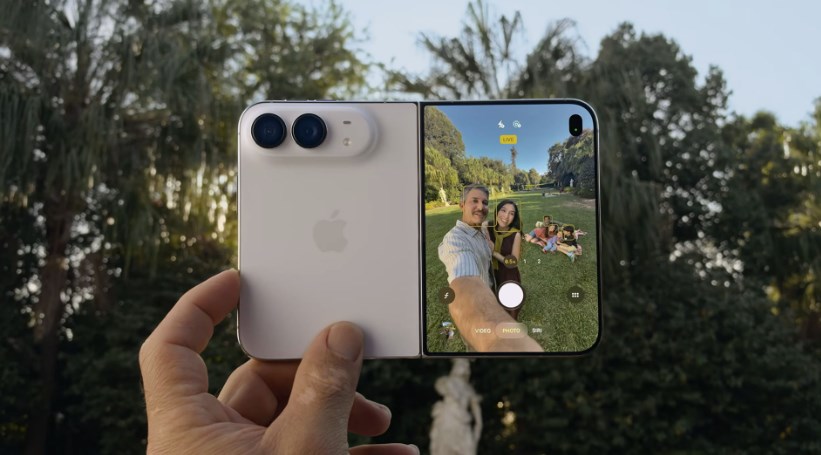
The iPhone Duo taught the iPad a much-needed lesson in multitasking – Apple has spent years presenting the iPad as a powerful device that can do much more than simply browse the internet, watch videos, or read digital books. With increasingly capable processors, larger displays, keyboard accessories, and support for professional applications, the iPad has gradually become a serious productivity tool. However, despite all these improvements, one important weakness has continued to frustrate users: multitasking. For a device designed to offer a laptop-like experience, switching between applications and managing multiple tasks has not always felt as natural as it should.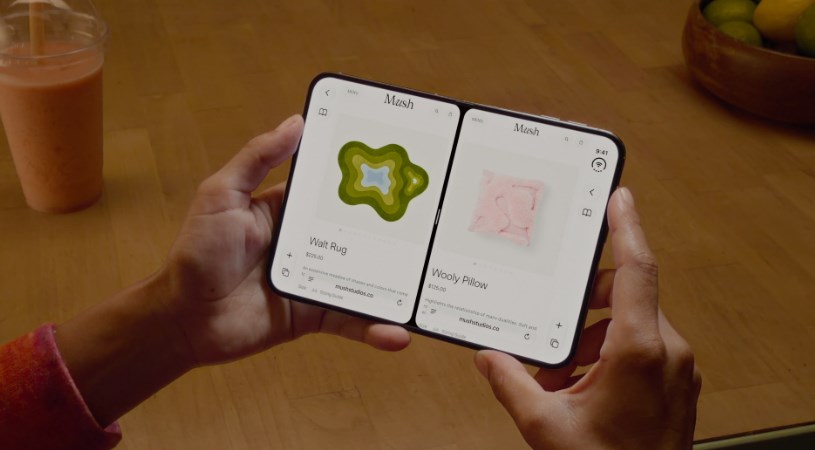
Interestingly, the iPhone Duo has helped highlight a better approach to multitasking, offering Apple an opportunity to rethink how people interact with multiple applications. The experience demonstrates that multitasking does not necessarily need to be complicated or overloaded with features. Instead, it should feel intuitive, responsive, and easy to understand. This is a lesson the iPad could benefit from adopting, especially as Apple continues to position its tablets as alternatives to traditional computers.
Why the iPad Still Needs Better Multitasking
The iPad has made considerable progress over the years. Apple introduced features such as Split View, Slide Over, Stage Manager, and improved window management to help users work with multiple applications simultaneously. These tools provide flexibility, particularly for people who regularly use their tablets for writing, research, communication, and creative projects.
However, having several multitasking features does not automatically create a smooth experience. Some users still find it difficult to manage application windows, switch between tasks, or understand which multitasking option works best for a particular situation. The experience can sometimes feel unnecessarily complicated, especially for people who simply want to open two applications side by side.
This becomes particularly noticeable when comparing the iPad with modern smartphones. Phones have become increasingly capable of handling demanding applications, and users now expect quick transitions between different activities. They might respond to messages while browsing, check information while watching videos, or move between work applications without interrupting their workflow. The iPhone Duo taught the iPad a much-needed lesson in multitasking
The iPad should be particularly good at these activities because its larger display provides more room for multiple windows. Unfortunately, its multitasking experience has not always taken full advantage of that physical advantage. The iPhone Duo’s approach highlights why Apple should prioritize simplicity and accessibility rather than simply adding more complicated controls.
What the iPhone Duo Gets Right
The biggest lesson from the iPhone Duo is the importance of making multitasking feel natural. Instead of forcing users to think about complicated window arrangements, an effective multitasking experience should make it easy to move between activities without losing focus.
This philosophy matters because people rarely use their devices for only one thing. Even during simple activities, users frequently move between different applications. Someone writing an email might need to check a calendar, look up an address, or copy information from a document. These small actions happen constantly, making smooth application switching an important part of everyday productivity.
The iPhone Duo demonstrates why multitasking should be designed around real-world behavior. Users should not need to spend time learning complicated gestures or navigating several menus just to complete ordinary tasks. Instead, the operating system should make frequently used functions easy to discover and operate.
Apple could bring this philosophy to the iPad by making application pairing, window management, and task switching more straightforward. For example, opening two frequently used applications together should require minimal effort. Users should also have an easier way to return to their previous workspace without manually rebuilding their preferred layout. A more intuitive system would make the iPad feel considerably more capable without necessarily requiring additional hardware or a major increase in processing power.
The iPad’s Larger Display Deserves a Smarter Experience
One of the iPad’s greatest advantages over the iPhone is its screen size. A larger display creates opportunities for productivity that smaller smartphones cannot easily match. Users can comfortably read documents, compare information, edit photographs, manage spreadsheets, and communicate with colleagues without constantly switching between full-screen applications. However, the display’s potential depends heavily on how effectively the operating system uses it. Simply placing multiple windows on the screen is not enough. Those windows need to work together in a way that feels organized and practical.
Apple’s Stage Manager is one example of the company’s effort to improve the experience. It allows users to organize applications into groups and switch between different workspaces. While this approach offers useful flexibility, it can also feel excessive for people who prefer straightforward multitasking. For many everyday users, the ability to keep two or three applications visible is more important than having an elaborate desktop-style environment. A student might want a research document beside a note-taking application. Someone working remotely might prefer an email window alongside a video meeting. Meanwhile, a content creator could benefit from keeping reference material visible while editing images or videos.
The iPad should make these arrangements easier to create and maintain. By learning from the iPhone Duo’s approach, Apple could focus on making multitasking more accessible instead of assuming that every user wants a desktop-like interface.
Simplicity Could Make the Biggest Difference
One common mistake in software development is assuming that adding more features automatically improves the user experience. In reality, too many options can sometimes make a device harder to operate. The iPad’s multitasking development illustrates why finding the right balance is so important. Apple has already introduced several ways to manage applications, but users do not necessarily need to understand every available feature. Most people want a system that helps them finish tasks faster. If opening a second application requires navigating unfamiliar controls, the productivity benefits become less convincing.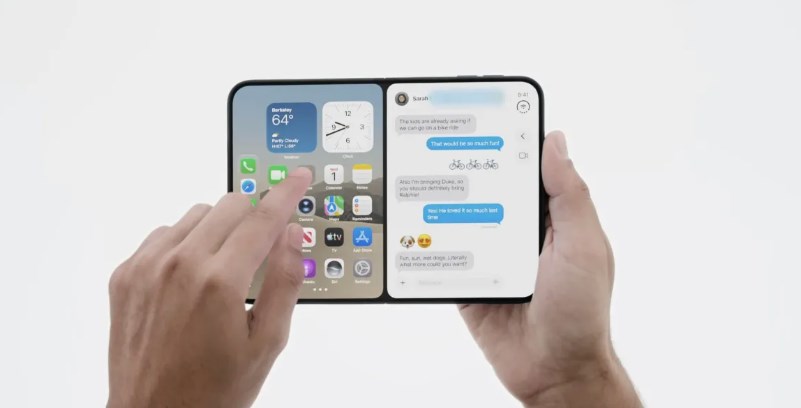
The iPhone Duo offers a useful reminder that simplicity should remain central to multitasking design. Apple could improve the iPad by introducing clearer application controls, more predictable gestures, and better ways to remember frequently used window arrangements. Another important improvement would be making transitions between applications feel more consistent. Users should be able to move from one task to another without worrying about accidentally closing a window or losing their place.
Personalization could also play an important role. Some people prefer working with two applications, while others regularly use several tools simultaneously. Allowing users to save preferred layouts and quickly reopen them would make the iPad more practical for different workflows. These changes might appear relatively small, but together they could significantly improve the experience.
Better Multitasking Could Bring the iPad Closer to a Laptop
Apple has repeatedly positioned the iPad as a device capable of handling serious productivity tasks. Accessories such as the Magic Keyboard and Apple Pencil have expanded its usefulness, while increasingly powerful Apple silicon chips provide enough performance for demanding applications.
Nevertheless, hardware performance is only one part of the equation. A powerful processor cannot compensate for software that makes everyday tasks unnecessarily difficult. For the iPad to become a more convincing laptop alternative, its multitasking system needs to feel dependable and flexible.
Traditional computers have an advantage because users are familiar with managing multiple windows. They can keep several applications open, move information between them, and arrange their workspace according to personal preferences. The iPad does not necessarily need to copy the desktop experience completely, but it should provide comparable convenience for common productivity activities.
A more refined multitasking system could also make external keyboard and mouse accessories more useful. Users would be able to move between applications, organize information, and complete complex projects with fewer interruptions.
This would benefit professionals, students, freelancers, and casual users alike. It could also help Apple distinguish the iPad from competing tablets by focusing on a genuinely useful software experience rather than relying exclusively on hardware upgrades. The iPhone Duo taught the iPad a much-needed lesson in multitasking
Apple Should Focus on the User, Not Just More Features
Ultimately, the iPhone Duo’s biggest lesson for the iPad is that good multitasking should make technology feel less complicated. Users should not have to think about the operating system every time they want to perform two activities at once. The experience should simply work.
Apple has the hardware, software expertise, and ecosystem necessary to deliver a much better multitasking experience. What matters now is bringing those elements together in a more consistent way. Rather than introducing another collection of complicated window-management tools, the company should focus on improving the features people already use.
The iPad does not need to become a traditional laptop to succeed as a productivity device. It needs to make everyday workflows easier, faster, and more comfortable. Better application switching, simpler split-screen controls, intelligent workspace management, and customizable layouts could accomplish more than another collection of advanced features.
The iPhone Duo has effectively highlighted an important opportunity for Apple. The future of multitasking is not necessarily about showing more applications on the screen. It is about helping people move between tasks without breaking their concentration.
If Apple applies that lesson to the iPad, its tablets could become significantly more useful for everyday work. The device already has the display, performance, and accessories to support a productive experience. What it needs is software that finally makes all those capabilities feel effortless. The iPhone Duo taught the iPad a much-needed lesson in multitasking
About the Author