Galaxy Buds Able to be Samsung answer to open ear design trend – Have you ever noticed how the tech world goes through phases where everyone collectively decides to change their minds about what “good” design looks like? For the longest time, wireless earbuds were locked in a race to see who could seal off your ear canal the tightest. It was all about absolute isolation—blocking out the hum of the subway, the chatter of the coffee shop, and the ambient noise of daily life.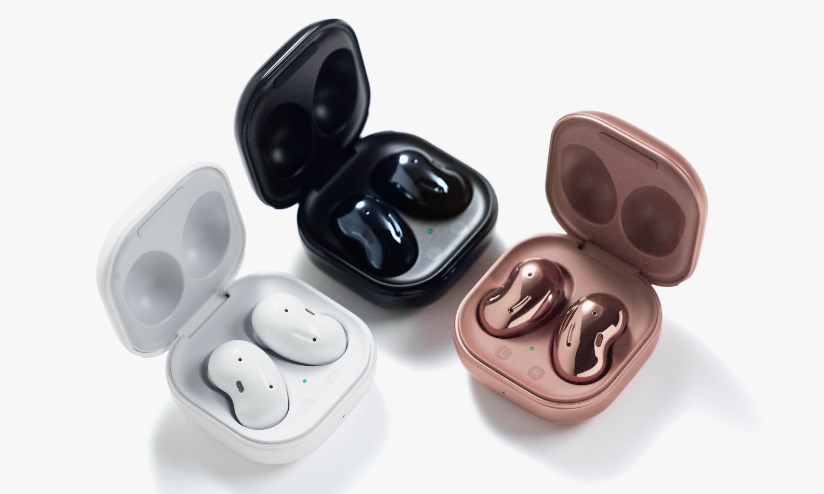
But lately, something has shifted. A lot of us are realizing that blocking out the world 24/7 isn’t actually that comfortable, or even safe. Whether you’re running outside and need to hear oncoming traffic, trying to keep a casual conversation going at your desk, or just dealing with the physical fatigue of sticking silicone tips into your ears all day, the demand for a different approach has skyrocketed.
Enter the open-ear design trend. It’s a fast-growing multi-billion dollar market, and while brands like Bose, Sony, Huawei, and Anker have already staked their claims with clip-on and open-audio designs, Samsung has been surprisingly quiet. Recent leaks and deep-dives into Samsung’s firmware have unmasked an upcoming product that could completely change their wearable lineup: the Galaxy Buds Able.
The Breadcrumbs: How We Know It’s Real
Tech rumors come and go, but every now and then, a paper trail emerges that is simply too cohesive to ignore. The story of the Galaxy Buds Able unfolded across three major technical discoveries in early 2026:
-
The Software Trace: In April, an APK teardown of Samsung’s companion apps revealed explicit text strings referencing a device called the “Galaxy Buds Able” under the model number SM-U600. This immediately raised eyebrows because Samsung historically uses an “SM-R” prefix for its audio line. The “U” designation signals a brand-new product architecture.
-
The Battery Certification: Shortly after the software leak, a regulatory filing in India cleared a component labeled EB-BU600AAY—a battery pack specifically mapped to that unique SM-U600 model number.
-
The Design Blueprint: The smoking gun arrived when firmware icons discovered within Samsung’s One UI code revealed the visual identity of the buds. The graphic depicts a dome-shaped audio unit attached to a mechanical clip mechanism.
This isn’t a routine upgrade to the recently launched Galaxy Buds 4 series. It is an entirely separate branch on the Samsung evolutionary tree.
Form Over Insertion: What Makes It Different?
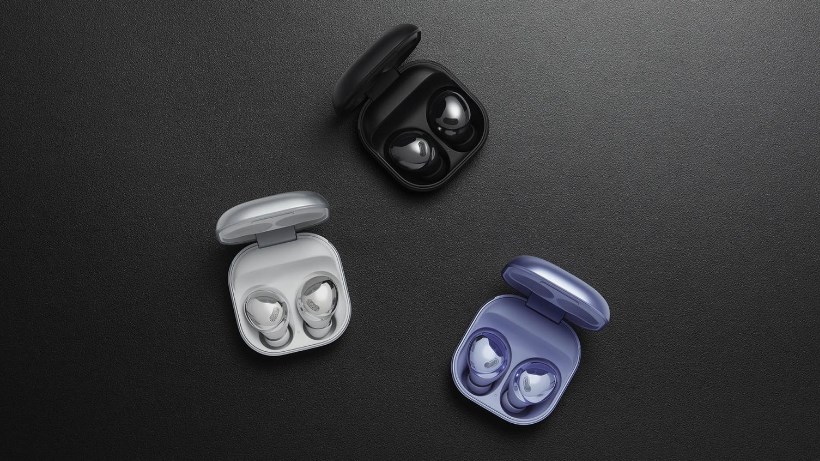
If you look at Samsung’s current flagship audio gear, like the Galaxy Buds 4 Pro, the philosophy is built around a “canal-fit” structure. They use custom tips to physically plug your ear, acting as a passive barrier to external noise so that the active noise cancellation (ANC) can do its job.
The Galaxy Buds Able turn that philosophy on its head. Instead of sitting inside your ear canal, the leaked designs show a clip-style aesthetic that loops gently around the side of your outer ear. Think of it like a piece of high-tech jewelry or an ear cuff. The main body of the earbud rests just outside the opening of your ear, channeling audio downward into the canal without ever physically sealing it off.
Air Conduction vs. Bone Conduction
When early whispers of the “Able” project surfaced last year, many industry insiders speculated that Samsung would utilize bone conduction technology—the tech that vibrates your cheekbones to send sound waves directly to your inner ear. Galaxy Buds Able to be Samsung answer to open ear design trend 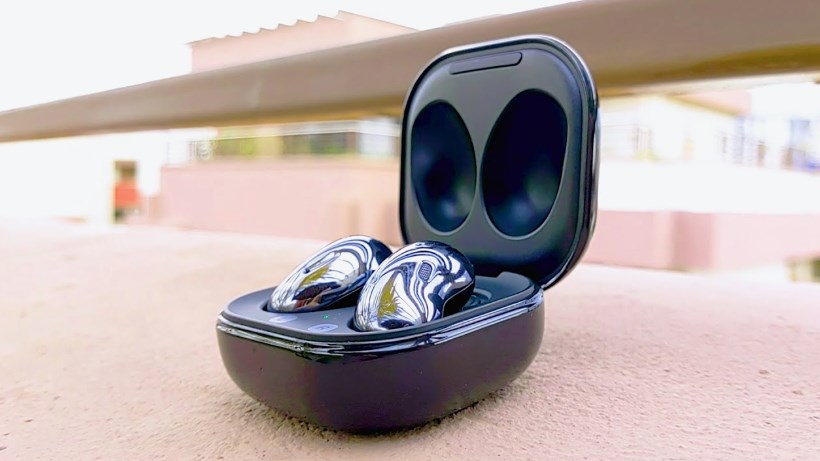
However, updated technical data suggests Samsung is opting for air conduction instead. By using highly directional, specialized mini-speakers, the Galaxy Buds Able can beam audio straight into your ear from a millimeter away. This approach bypasses the traditional downside of bone conduction—which often suffers from a muddy, thin sound profile and a lack of bass—while maintaining the key benefit: keeping your ear completely open to environmental sounds.
Why the Tech World is Moving Toward “Open” Audio
It is easy to look at new tech form factors and dismiss them as gimmicks, but the open-ear movement addresses very real, everyday human pain points.
1. The Fatigue Factor
Be honest: how long can you comfortably keep traditional silicone earbuds in your ears before they start to ache? For many, the pressure accumulation inside the ear canal creates a claustrophobic, fatiguing experience over long workdays. Open-ear designs distribute weight across the cartilage of the outer ear, making them feel almost weightless during marathon listening sessions.
2. Ear Hygiene
Sticking a foreign object into your ear canal for hours at a time creates a warm, dark, enclosed environment. Audiologists have increasingly noted that the rise of true wireless earbuds has led to an uptick in moisture retention and ear hygiene issues. By keeping the canal completely open to natural airflow, the Galaxy Buds Able completely sidestep this problem.
3. True Environmental Safety
Transparency modes on standard earbuds have gotten incredibly sophisticated, using exterior microphones to pass outside world audio into your speakers. But it is still a digital recreation of the world. For runners, cyclists, and urban commuters, nothing replaces the raw safety of actually, physically hearing a siren, a car horn, or someone shouting your name without an algorithmic delay. Galaxy Buds Able to be Samsung answer to open ear design trend
The Strategic Play: Where Do They Fit in Samsung’s Ecosystem?
The choice of the name “Able” is incredibly telling. While Samsung hasn’t officially confirmed the marketing narrative, the word heavily implies capability and accessibility. There is a growing crossover between consumer true wireless earbuds and over-the-counter (OTC) hearing assistance. With Samsung’s deep integration of health tracking through the Galaxy Ring and Galaxy Watch, the Galaxy Buds Able could very well feature advanced directional audio mapping, ambient speech boosting, and hearing-assistance features tied directly into the Samsung Health ecosystem. It’s an elegant way to offer wellness-focused tech without the clinical stigma of traditional medical hardware.
Furthermore, it plugs a glaring hole in Samsung’s ecosystem strategy. Apple has its standard open-fit AirPods, and the market is flooded with alternatives like the Bose Ultra Open and Sony LinkBuds Clip. If a Samsung user wants a premium, clip-on lifestyle earbud that pairs instantly with their Galaxy device, they previously had to look outside the ecosystem. The Buds Able fix that.
Looking Ahead
While we wait for official pricing and a concrete release date—potentially targeted for a summer Galaxy Unpacked event—the Galaxy Buds Able represent an exciting pivot for Samsung. They show a willingness to step away from the traditional “blade” and “stem” designs to embrace a future where technology conforms to human comfort, rather than forcing humans to conform to the technology. For anyone who has ever felt fatigued by the isolation of modern earbuds, Samsung’s answer to the open-ear trend might just be exactly what your ears have been waiting for. Galaxy Buds Able to be Samsung answer to open ear design trend
About the Author