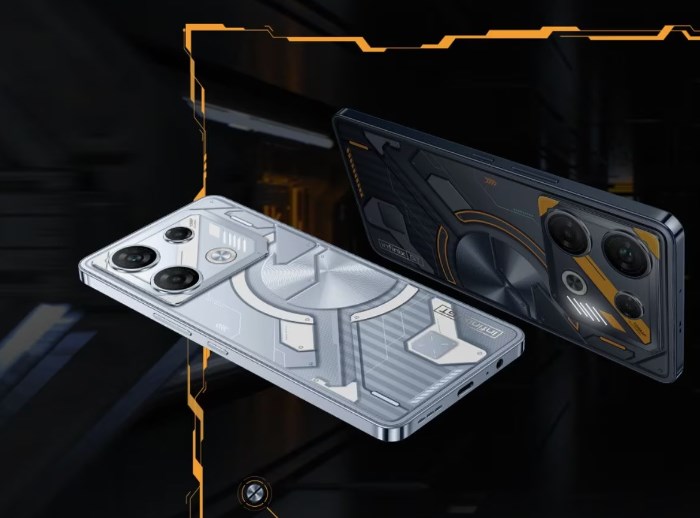
For next‑level gaming: Infinix GT NX Controller & GT NX Station will launch on September 30 – Mobile gaming has changed dramatically over the past few years. Modern smartphones can run demanding titles with console-like graphics, high frame rates, and increasingly sophisticated gameplay. Yet one problem remains: the phone itself was never designed to replace every part of a traditional gaming setup.
Touch controls can feel limiting during intense matches, heat can build up during extended sessions, and players who want a larger display often need several accessories to connect a phone to a monitor or TV. Infinix is now attempting to address those challenges with two new gaming peripherals: the GT NX Controller and GT NX Station.
The company has officially unveiled the GT NX Series as part of its gaming ecosystem, with the two accessories designed to work together or independently. According to Infinix, the products will officially launch on September 30, 2026, giving mobile gamers another way to turn a compatible smartphone into something closer to a portable or desktop gaming console.
GT NX Controller Brings Physical Controls to Mobile Gaming
The GT NX Controller is perhaps the more immediately familiar product. It is designed to surround a smartphone and give players physical controls instead of requiring them to rely entirely on an on-screen interface. That simple change could make a major difference in games where quick reactions, accurate aiming, and simultaneous button presses matter.
Infinix has equipped the controller with what it calls a pixel-level FPS precision touchpad. Rather than treating the touchpad as a basic navigation surface, the company designed it specifically to address one of the biggest challenges in mobile first-person shooters: aiming accurately while using a touchscreen. The glass touchpad can support swiping and mouse-style operation, while mapping functions can also be used for other genres.
That approach is interesting because touchscreen gaming already offers a level of precision that conventional mobile controllers sometimes struggle to reproduce. Instead of completely replacing touch interaction, the GT NX Controller attempts to combine physical controls with touch-style input. For FPS players, the touchpad can provide another method of aiming, while MOBA players can take advantage of mapping features for skills and other actions.
The controller also focuses heavily on responsiveness. Infinix says it uses an esports-oriented three-chip architecture capable of millisecond-level direct connectivity. The company has also added tactical haptic feedback, giving players physical feedback during gameplay. Battery life is rated at more than 22 hours, while the laser-textured grips are designed to remain comfortable and secure during longer gaming sessions.
Designed for More Than One Gaming Style
One of the more practical aspects of the GT NX Controller is its flexible design. Infinix is not positioning it as a controller that only works in one particular configuration. The company says it supports multiple play modes, including smartphone clamping, separated desktop-style use, and single-hand play. That flexibility could make the accessory useful beyond traditional competitive matches.
The controller’s physical layout also gives mobile players access to familiar gaming inputs, including conventional controls alongside the touchpad. This is particularly relevant for gamers who move between different genres. A shooter might benefit from precise touchpad aiming, while an action game can make better use of physical buttons and triggers. MOBA players can also create custom mappings to reduce the need for complicated touchscreen gestures.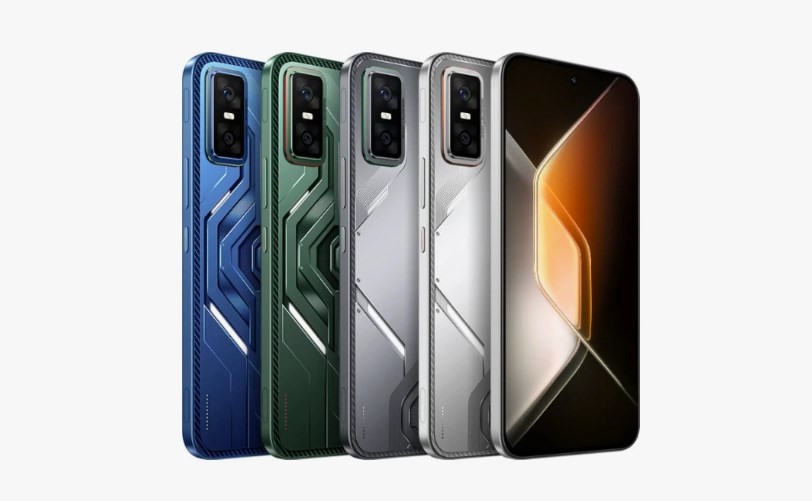
Haptic feedback is another part of the experience. Infinix says the controller supports three levels of haptic intensity through its XArena software. Rather than simply vibrating randomly, the system is designed to provide more meaningful tactile responses during compatible gameplay. For someone spending several hours playing, that extra feedback can make the controller feel more connected to what is happening on screen.
There is also a practical benefit to having physical controls: players no longer have to cover part of the display with their fingers. On-screen buttons can sometimes obscure important visual information, particularly in shooters and competitive multiplayer games. Moving those controls onto dedicated hardware leaves more of the phone’s screen visible, which could make gameplay feel cleaner and less cramped.
GT NX Station Turns the Phone Into a Desktop Gaming Hub
While the GT NX Controller is focused on how players interact with games, the GT NX Station tackles another side of mobile gaming: the environment around the smartphone. The Station is designed as a multifunctional docking station that can turn a compatible phone into a larger-screen gaming setup. It supports both mirror and extend functionality on compatible displays, allowing users to send their smartphone’s content to a monitor or television. This gives mobile gamers the option of moving away from the relatively small phone screen without abandoning their existing games or accounts.
The Station’s most unusual feature is its built-in TEC cooling system. Thermoelectric cooling is designed to actively manage the temperature of the phone during demanding workloads. This is important because prolonged gaming can cause smartphones to heat up, and excessive temperatures can lead to thermal throttling that reduces performance.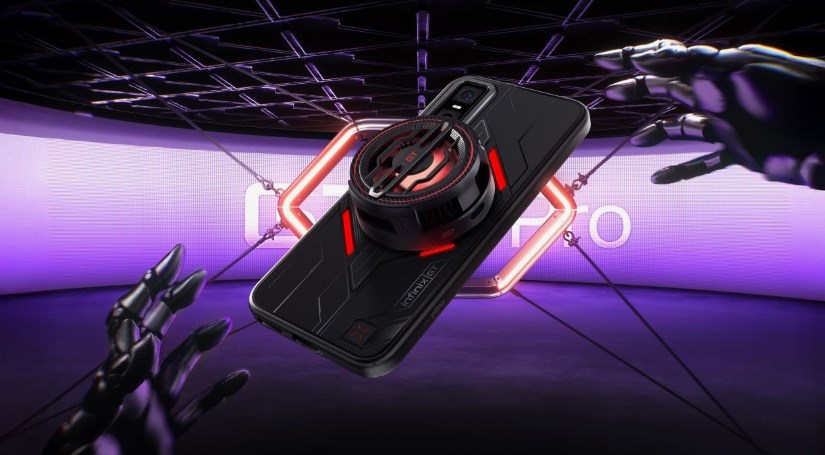
Infinix has effectively combined several accessories into one device. Instead of buying a separate cooling system, USB hub, display adapter, Ethernet adapter, and other equipment, the GT NX Station brings many of those functions together. Its 9-in-1 design includes HDMI, RJ45 Ethernet, USB-A ports, USB-C connectivity, USB-C PD input, a microSD card slot, and a 3.5mm audio connection.
Big-Screen Gaming With Cooling and Connectivity
The inclusion of HDMI is particularly useful for players who prefer a traditional monitor or television. A phone can remain at the center of the gaming setup while the external display provides a larger image. In extend mode, the phone can also retain a separate function while the external display handles the primary content, depending on device and software compatibility.
Wired networking is another feature that could appeal to competitive players. The RJ45 Ethernet connection allows compatible setups to use a wired network rather than relying entirely on Wi-Fi. In competitive online games, where connection stability can matter as much as raw processing power, having a wired option gives players more flexibility.
The Station also supports USB accessories, which means gamers can connect additional peripherals such as keyboards, mice, headsets, or storage devices depending on their setup. USB-C PD input provides pass-through power, making it possible to maintain power during longer gaming sessions rather than constantly worrying about battery levels.
And then there is the RGB lighting. It may not change frame rates or reduce latency, but dynamic RGB lighting has become part of the visual language of gaming hardware. Infinix clearly wants the GT NX Station to look like a gaming product as much as it wants it to function like one. For next‑level gaming
A More Complete Mobile Gaming Ecosystem
The real story behind the GT NX Series is not necessarily either product by itself. It is the way Infinix is combining them into a broader gaming ecosystem. A player could use the GT NX Controller for portable gaming, attach a phone and play with physical controls, then move that same device to the GT NX Station when sitting at a desk. At that point, the setup can expand to include a monitor, wired Ethernet, external accessories, active cooling, and power delivery. For next‑level gaming
That approach also addresses a common problem with mobile gaming accessories: fragmentation. Players often need one accessory for controls, another for cooling, another for display output, and another for connectivity. Infinix’s strategy is to reduce the number of separate components required to build a serious mobile gaming setup.
Compatibility will nevertheless be important. Infinix is developing the GT NX ecosystem with its GT-series smartphones in mind, and reports indicate that functionality with other Android devices can vary depending on hardware and software support. Features such as external display output therefore should not automatically be assumed to work identically across every smartphone.
That is something potential buyers should check before purchasing. A powerful accessory is only useful if the phone supports its relevant features, particularly display output, controller mapping, cooling integration, and software functionality.
September 30 Launch: What Gamers Can Expect
The GT NX Controller and GT NX Station are scheduled to officially launch on September 30, 2026. Infinix has announced availability through its official online channels, including Shopee, Lazada, and TikTok Shop in the Philippines. Other markets are also beginning to reveal pricing and availability details around the launch period.
For example, Malaysia pricing information reported ahead of launch lists the recommended retail price of each accessory at RM399, with promotional pricing of RM299 each and a GT NX Bundle at RM549 during the introductory period. Regional pricing and promotions can differ, however, so buyers should check their local Infinix channels for the exact launch offer.
The significance of the GT NX Series is ultimately less about making smartphones into literal consoles and more about giving mobile gamers additional ways to use hardware they already own. The Controller addresses physical input, while the Station tackles cooling, connectivity, power, and larger-screen gaming.
With the September 30 launch approaching, Infinix is clearly betting that mobile gamers want more than increasingly powerful phones. They also want better ways to control those phones, keep them running under sustained loads, and connect them to a more complete gaming environment. If the GT NX Controller and GT NX Station deliver on those promises, they could make the smartphone feel less like a conventional phone during gaming sessions and more like the center of an adaptable gaming platform. For next‑level gaming
About the Author