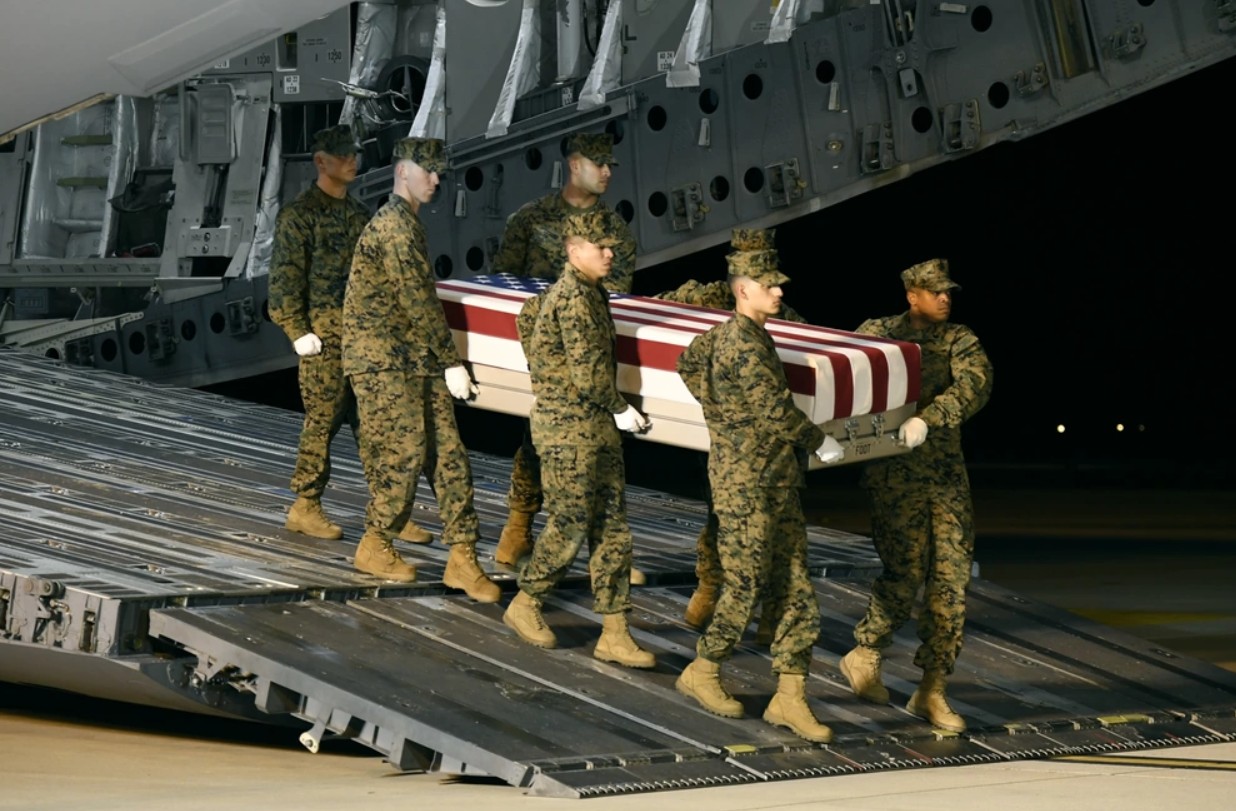
Following the deaths of two American soldiers, the US launches additional airstrikes against Iran. – Following the deaths of two American service members in a recent incident in Jordan, the United States intensified an already expanding military campaign throughout the Middle East on July 18 by launching a fresh wave of airstrikes against Iran.
U.S. Central Command stated in a July 18 post on X that American forces started carrying out strikes at 6 p.m. ET “at the Commander in Chief’s direction.” According to the military, the operation’s goals are to “swiftly punish” Islamic Revolutionary Guard Corps forces that attacked American service members in Jordan the night before and further impair Iran’s capacity to threaten commercial shipping through the Strait of Hormuz.
According to Reuters on July 18, Iran’s supreme leader stated before to the strikes that Washington will pay for “seeking to escalate the conflict.”
In an attack in Jordan, two American soldiers were killed and one was reported missing.
CENTCOM said earlier on Saturday that two American service members were killed and another was reported missing when Iranian ballistic missiles and drones attacked U.S. and partner forces in Jordan on July 17.
According to the military, four more U.S. service members were medically evacuated to hospitals in Jordan but have since been released, while others who received treatment for minor injuries have returned to duty.
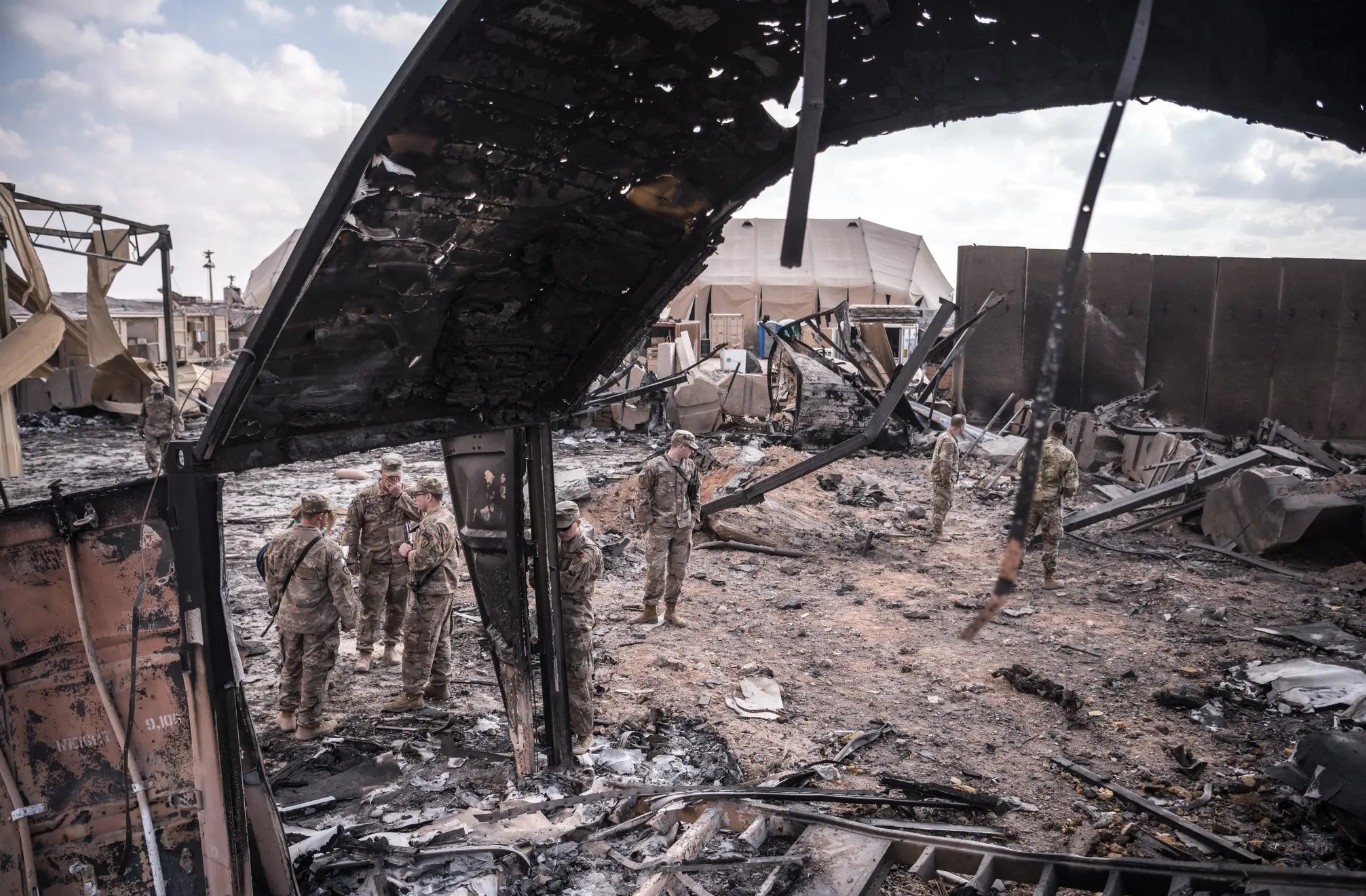
According to CENTCOM, the identities of the missing and killed military men will not be released until at least 24 hours after their families have been informed.
Pentagon director Pete Hegseth wrote on X on July 18 following the soldiers’ deaths: “Godspeed, heroes.” Our determination is only strengthened by their sacrifice.
Iran’s military capabilities are the target of airstrikes.
The most recent action is part of the ongoing U.S. military assault against Iranian military installations that officials claim pose a threat to commercial shipping in the Strait of Hormuz, a strategically significant waterway that passes through about one-fifth of the world’s oil supply.
Previous operations, according to CENTCOM, were intended to weaken Iran’s military capabilities and safeguard commercial ships doing business in the area.
The campaign is intended to safeguard civilian sailors and punish Iran responsible for strikes that have killed, maimed, or left civilian crew members missing, according to Adm. Brad Cooper, commander of CENTCOM.
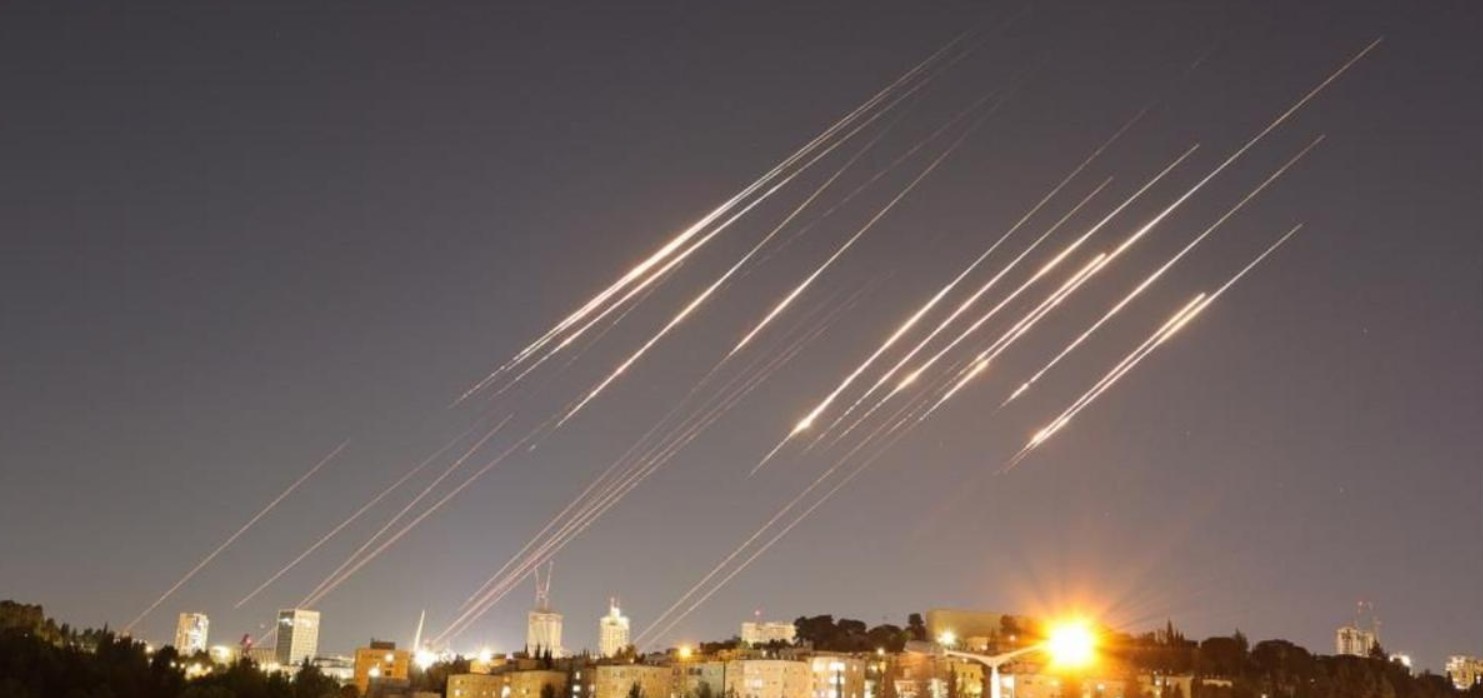
Conflict in the region keeps becoming worse.
Iran committed more attacks against American friends in the region, coinciding with the most recent U.S. strikes.
Iran used drones and ballistic missiles to target Kuwait, hitting vital infrastructure and military-related buildings. Although several attacks damaged installations and injured firefighters and oil sector workers responding to the strikes, Kuwaiti officials said that air defenses intercepted multiple inbound threats.
In retaliation for ongoing American operations, Iran’s Islamic Revolutionary Guard Corps said it attacked what it said were U.S. military support facilities in Kuwait and threatened to launch further attacks against U.S. partners.
In defense of the increased military campaign, President Donald Trump has stated that American strikes will not stop until Iran complies with demands meant to protect freedom of navigation and regional security. Iranian leaders have indicated that the crisis is unlikely to end anytime soon by pledging to defy American military pressure.
About the Author