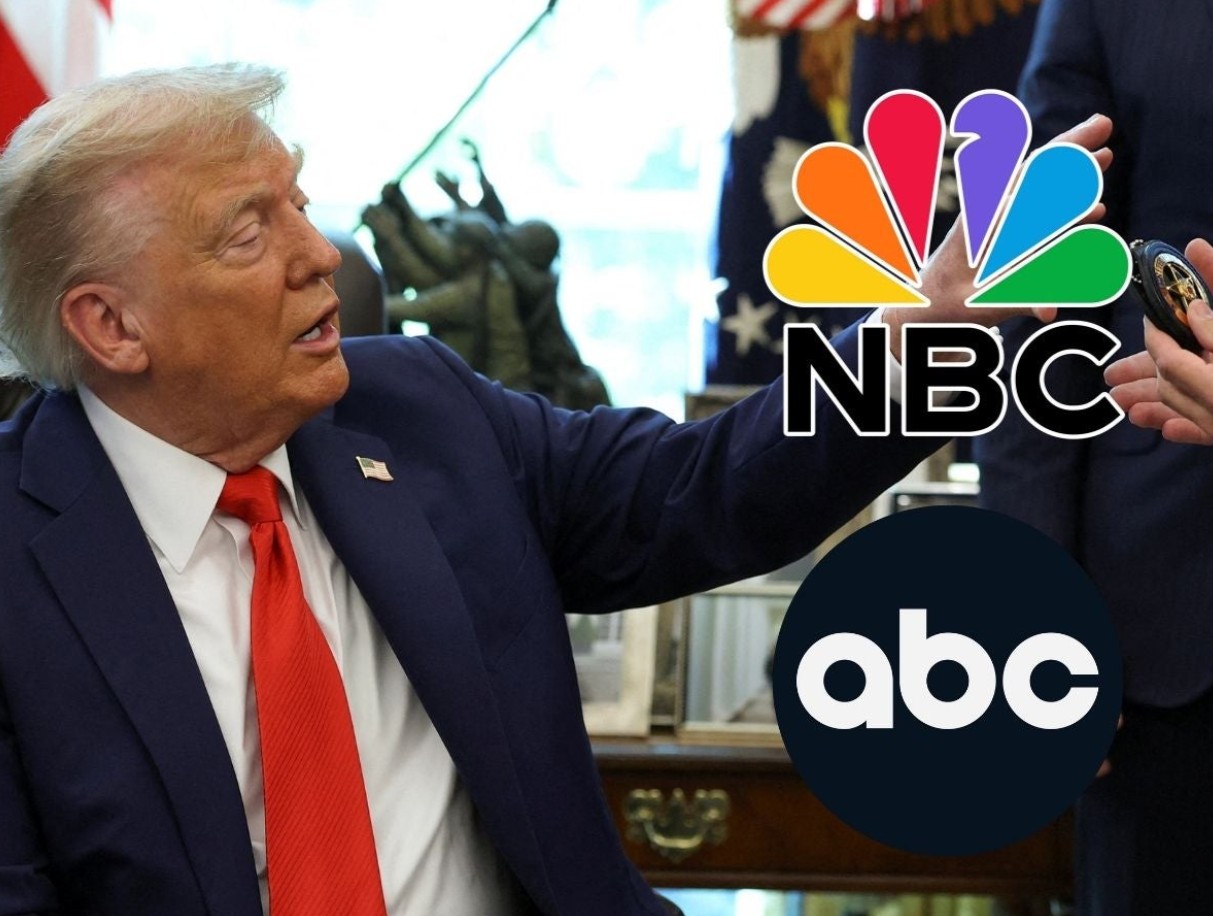
Trump wanted the licenses of NBC and ABC removed – Citing First Amendment rights, legal experts claim the FCC cannot cancel broadcast licenses only because a network chooses not to broadcast a president’s address.
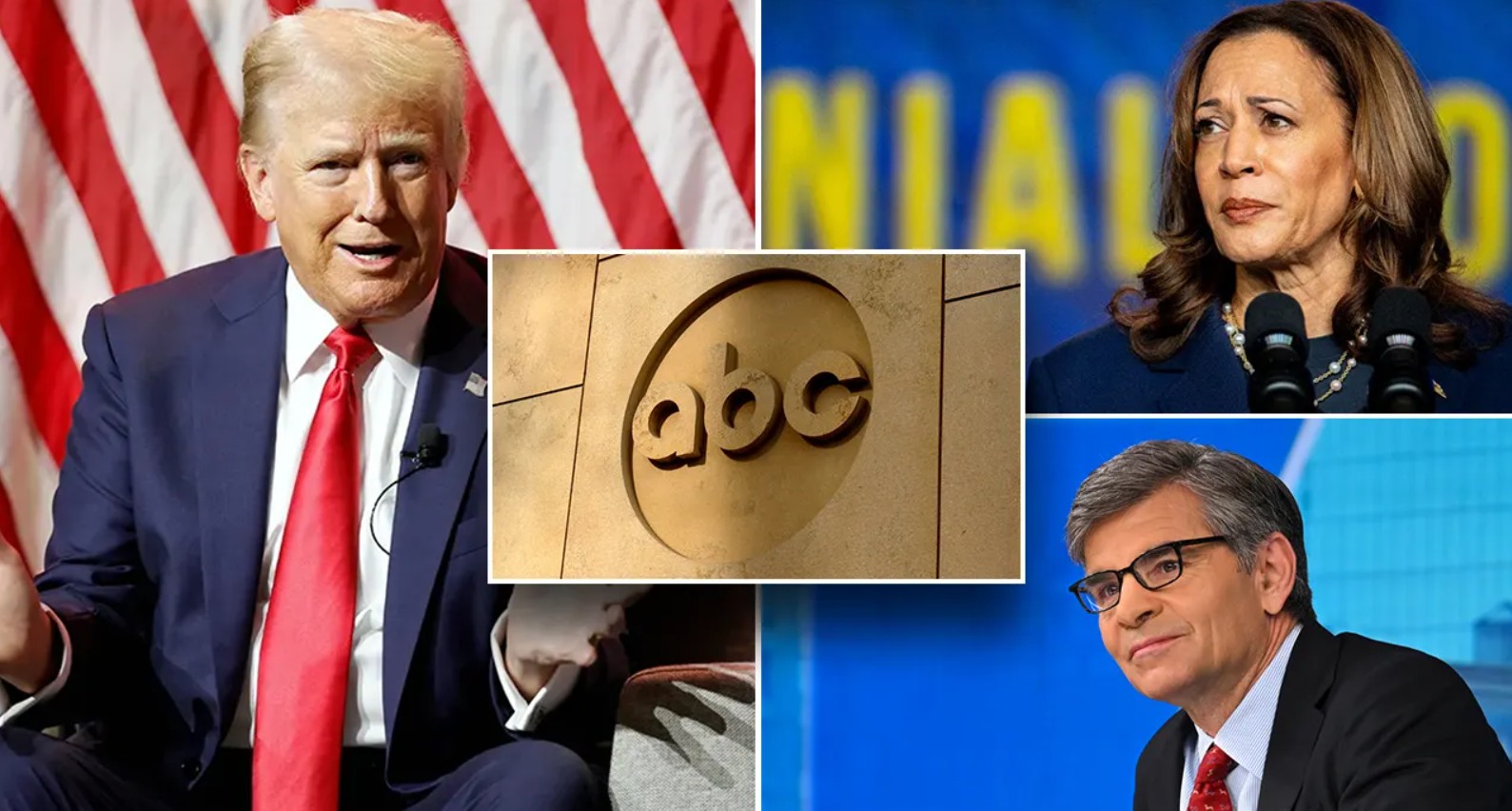
President Donald Trump demanded that the licenses of ABC and NBC be cancelled for failing to broadcast his primetime speech on election security on July 16.
As his roughly 26-minute speech from the White House came to a close, Trump attacked the networks for not airing it live, claiming that this was done “because of the fact that they don’t like the topic.”
“This kind of fraud ought to result in their licenses being revoked,” he declared. “They use our public airways, which are worth billions of dollars, for nothing at all. They don’t pay anything. Honesty in reporting and elections is all we demand.
The networks did cover his remarks thereafter and broadcast his address on their own streaming services.
NBC declined to comment. Sortea contacted ABC.
Although the Federal Communications Commission has limited authority to withdraw broadcast licenses, experts warned Sortea that it would be unlawful to do so over a network’s editorial decision-making.
According to Robert Corn-Revere, head counsel at the Foundation for Individual Rights and Expression, “the First Amendment does not permit the president to demand coverage by royal decree.” “This is basic First Amendment law.”
Here are some things to be aware of.
In what way has the FCC addressed Trump’s remarks?
Sortea’s request for comment on July 17 was not answered by the FCC. As of early that afternoon, FCC Chairman Brendan Carr, who has previously threatened broadcast licenses over networks’ coverage of the Iran War, had not made a public statement.
In a statement given to Sortea, Commissioner Anna Gomez, who was nominated by former President Joe Biden in 2023, called Trump’s request to remove licenses “ridiculous.”
The FCC “has no authority to punish a station for refusing to air a blatantly political speech,” according to her.
In a July 17 X post, she reaffirmed her views and posted photos of news headlines detailing the networks’ prior choices to not broadcast speeches by former President Barack Obama or Biden during their respective tenure.
“The FCC should not be involved in this blatant attempt to intimidate broadcasters,” stated Gomez.
Her reaction was consistent with her earlier claims that the FCC was using partisan politics to further Trump’s goals. Trump wanted the licenses of NBC and ABC removed
Can licenses be revoked by the FCC for failing to broadcast Trump’s speech?
First Amendment experts disagree.
According to David Keating, president of the Institute for Free Speech, “the government is not in charge of deciding what is newsworthy and what isn’t, what needs to be carried live and what doesn’t.”
However, both Keating and Corn-Revere stated that an attempt to revoke licenses over editorial decision-making is feasible given Carr’s prior remarks and the FCC’s prior actions against broadcasters under the Trump administration.
“I don’t think it would be successful in the end, but it wouldn’t surprise me if he (Carr) tried it,” Keating remarked.
However, he stated that the procedure would still be expensive and time-consuming for the networks.
What measures has the FCC previously implemented against ABC?
Trump’s remarks contribute to the current debate about ABC’s broadcast licenses’ future.
In February, state Representative James Talarico, D-Texas, who was competing in the state’s Democratic U.S. Senate primary, appeared on “The View,” prompting the FCC to launch a “enforcement action” against Disney-owned ABC.
Carr has described the situation as a procedural one, claiming that ABC failed to file the necessary documentation announcing a political candidate’s presence, which would have allowed a rival candidate to ask for “comparable time and placement.”
In May, the FCC started soliciting public feedback on whether “The View” should be exempt from the obligation to provide political candidates with equal broadcast chances. By late June, more than 50,000 comments had been submitted when ABC started an on-air push to promote public involvement.
In a lawsuit filed on July 6, the network accused the FCC of “chilling speech ahead of the fast-approaching 2026 general election.”
In a different case, the FCC mandated in April that ABC, which is owned by Disney, submit license renewals for its eight television stations by the end of May, years ahead of schedule. The commission was looking into the stations “for possible violations of the Communications Act of 1934 and the FCC’s rules, including the agency’s prohibition on unlawful discrimination,” according to the decision.
Disney responded by stating that it was “confident” that its “record demonstrates our continued qualifications as licensees under the Communications Act and the First Amendment and are prepared to show that through the appropriate legal channels.” Trump wanted the licenses of NBC and ABC removed
About the Author