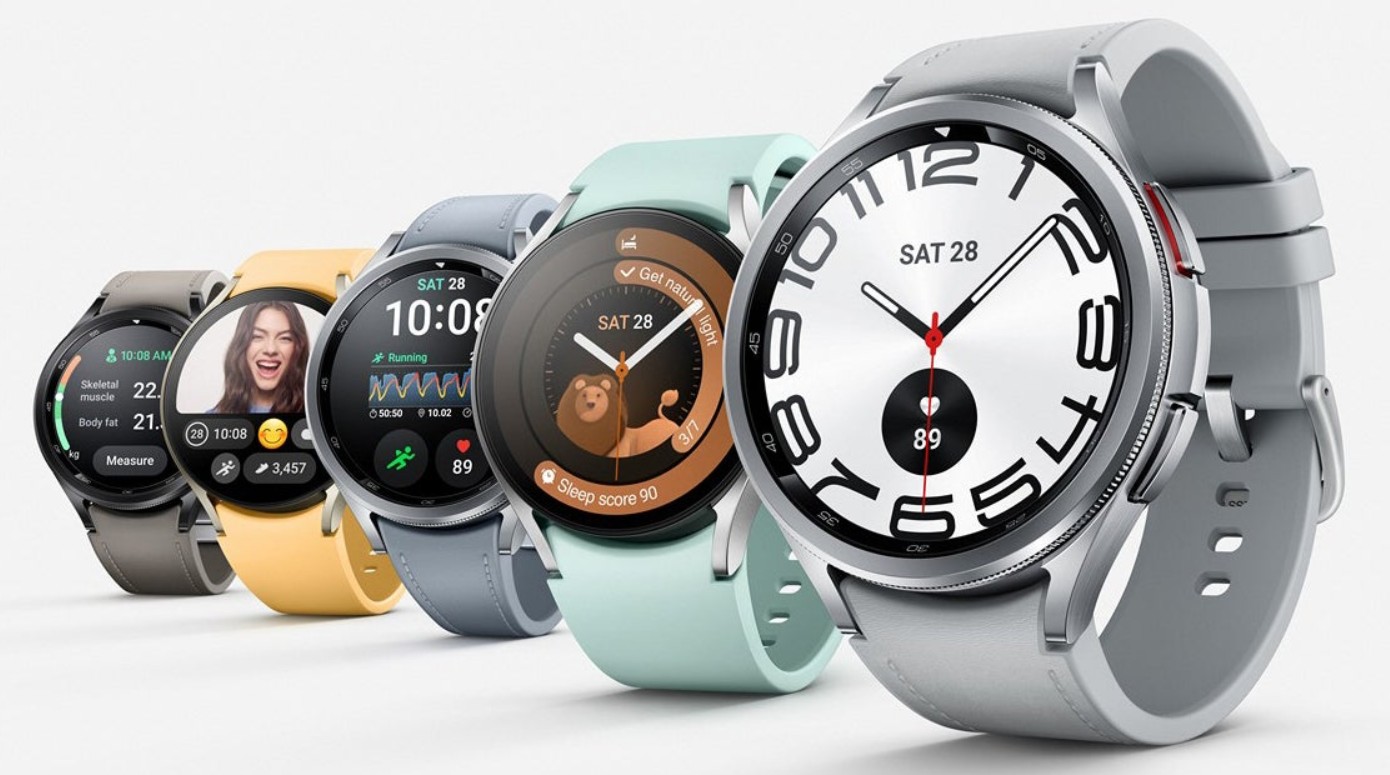
Five Smartwatch Improvements I’m hoping Samsung will deliver at last – Samsung needs a significant victory since its smartwatch momentum is waning. These significant enhancements may make the next Galaxy Watches the greatest Android wearables to date.
Samsung’s Unpacked event is scheduled for July 22. The official teases, reliable leaks, and historical precedent suggest that Samsung will release two new smartwatches, the Galaxy Watch 9 and the Galaxy Watch Ultra 2, even if nothing has been confirmed yet.
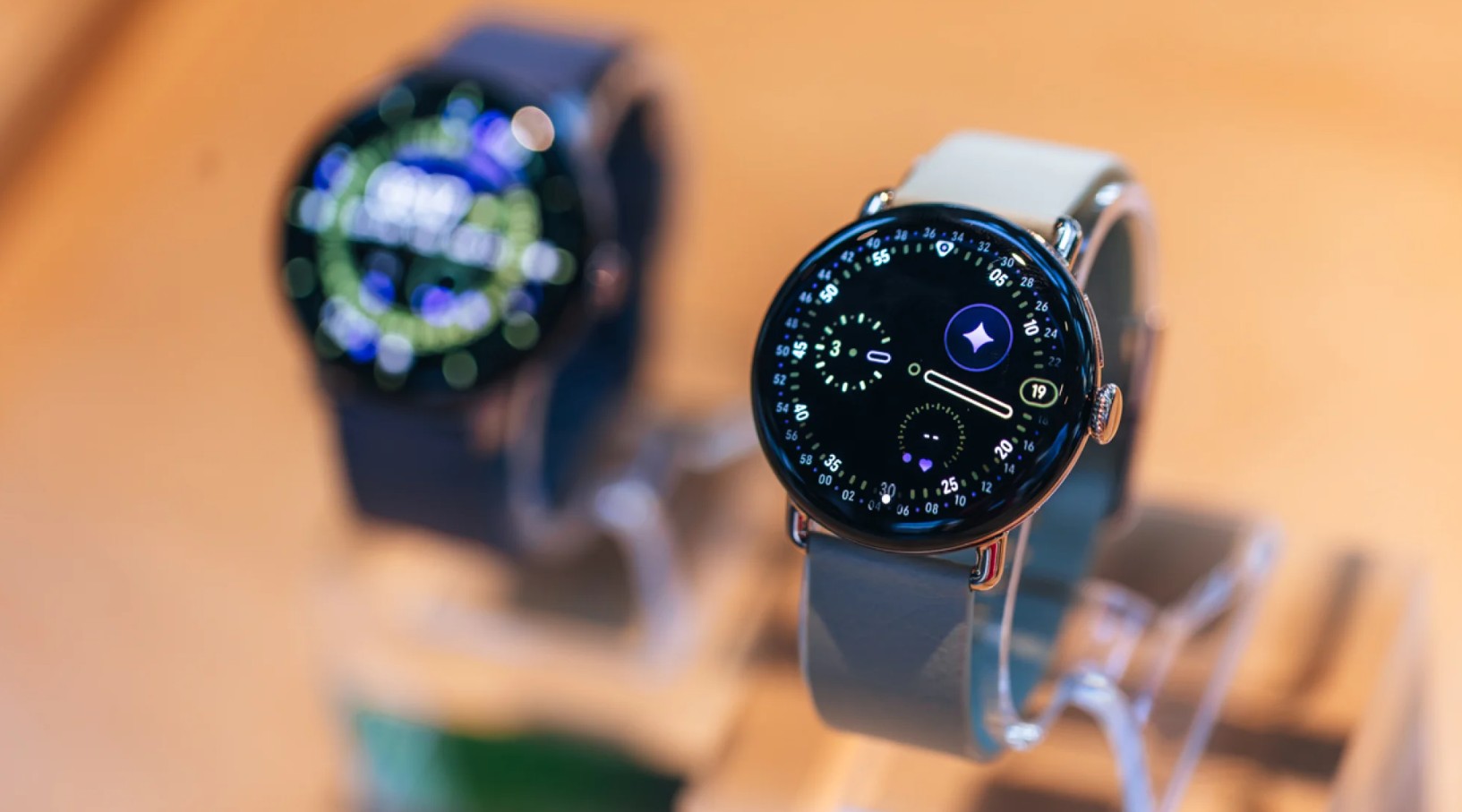
These smartwatches have exceptionally high stakes. Despite being the industry leader for a long time, Counterpoint Research reports that Samsung’s smartwatch sales fell 28% year over year in the first quarter. The market for Android watches is becoming more competitive at the same time. The OnePlus Watch 3 delivers competitive features and exceptional battery life, while Google’s Pixel Watch 4 boasts a sophisticated curved design and a great AI helper.
In light of this, Samsung can maintain its leadership position in the wristwatch market by implementing these five enhancements.
1. Extended Battery Life
For many years, the Galaxy Watch line’s shortcoming has been battery life. With the always-on display turned on, the Galaxy Watch 8 lasted slightly over a day, performing similarly to its predecessors. However, the competition is getting better in this area. In my tests, the Apple Watch Series 11 lasted almost two days on a single charge, marking the first significant gain in battery life in generations. The OnePlus Watch 3 outperformed them all, lasting 98 hours between charges, while the Pixel Watch 4 lasted even longer at 56 hours.
To stay competitive, the Galaxy Watch 9 will require a significant battery upgrade. Multi-day battery life or faster charging—ideally both—would make the newest Galaxy Watch model worth the purchase, so I hope this is a priority for this iteration. Five Smartwatch Improvements I’m hoping Samsung will deliver at last
2. Enhanced Sturdiness
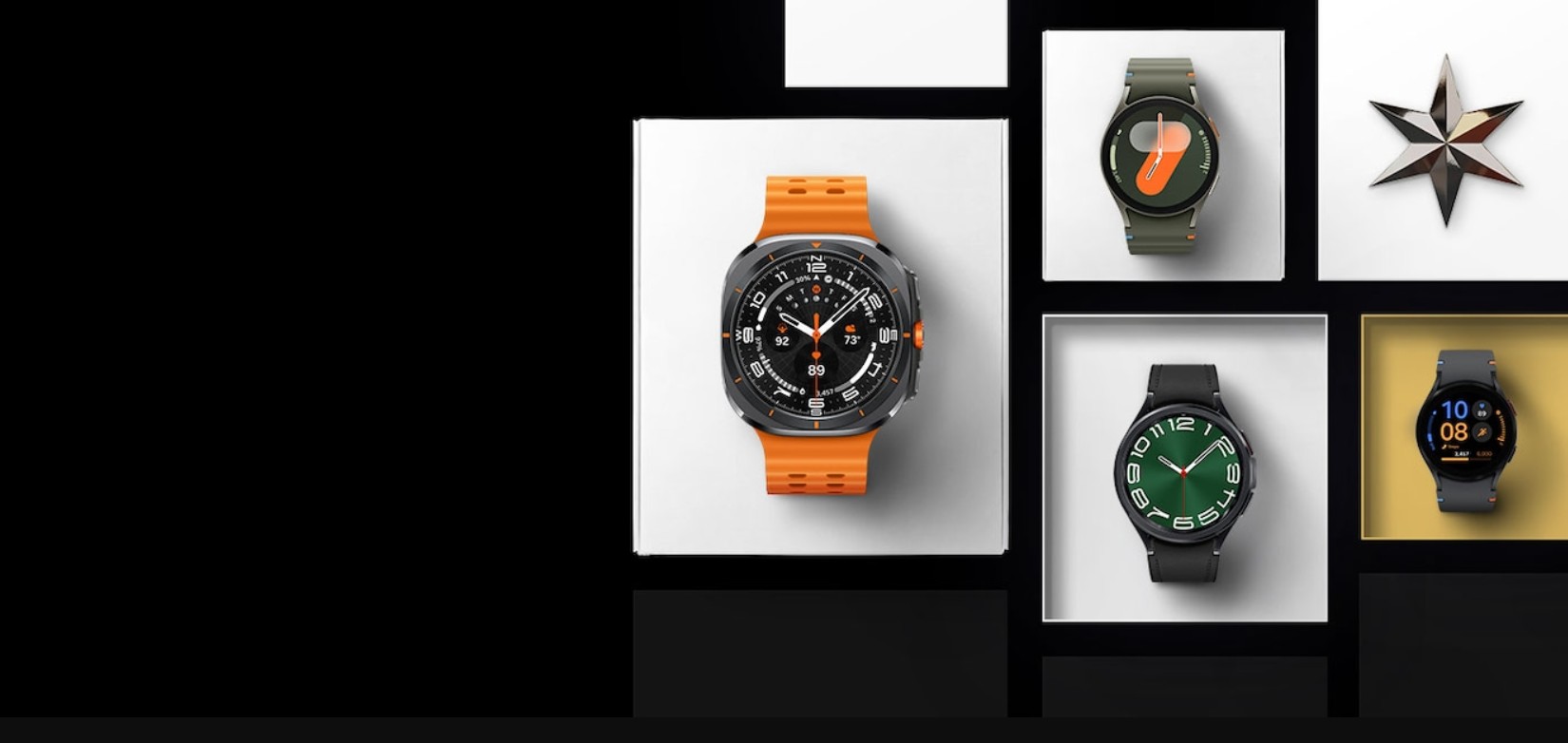
I anticipate that Samsung will reveal the Galaxy Watch Ultra 2 during this year’s Unpacked, in addition to the Galaxy Watch 9. Every year, the business typically releases one high-end model, switching between the robust Ultra (or Pro) series and the design-focused Classic series. Samsung unveiled the Watch 8 Classic last year, and the original Ultra was released in 2024. Prior to it, Samsung released the tough Watch 5 Pro (the Ultra’s predecessor) in 2022 and the Watch 6 Classic in 2023.
If a Galaxy Watch Ultra 2 is released, I hope it will be more durable, especially in the water. With an IP68 classification, the original Ultra is not to be taken lightly; it is water and dust resistant. Because of its MIL-STD-810H certification, it is resistant to shock, vibration, blowing sand, and other environmental stressors. Furthermore, the Ultra can be immersed to a depth of up to 328 feet in calm, fresh, or salt water due to its higher water resistance certification (10ATM versus 5ATM) than the Galaxy Watch 8. Additionally, it may thrive at elevations between 1,640 feet below and 29,527 feet above sea level.
Despite the great numbers, Apple’s Ultra range of smartwatches outperforms Samsung. With a WR100 rating and EN13319 certification—the international standard for diving accessories—all versions up to the Apple Watch Ultra 3 are appropriate for diving and high-velocity water activities like jet skiing. Even the original Apple Watch Ultra may be used as a depth-tracking computer while scuba diving.
Support for high-pressure water activities and scuba diving would enable the Galaxy Watch Ultra 2 surpass its primary rival and differentiate itself from its predecessor. Samsung appears to have verified this function in a teaser film by claiming that the watch is designed for “ocean diving.”
3. Useful Blood Pressure Measurements
In the US, Samsung has included a blood pressure monitoring capability to its Galaxy Watches. I don’t like how it’s applied, even though it’s beneficial in theory. You must take calibration measurements using a different blood pressure cuff and recalibrate it approximately once a month in order to utilize the feature.
It would be convenient to use a smartwatch to take a blood pressure reading, but not if another gadget is needed for the same function. I wouldn’t even bother to set up the function and go through the calibration process unless I was already concerned about my blood pressure.
Recent Apple Watches come with a hypertension alerting feature, but it runs in the background, making it impossible to obtain on-demand blood pressure readings. With the Oura Ring 5, Oura introduced a comparable feature that collects readings at night but only notifies you if it finds a problem. With support for on-demand blood pressure measurements and background monitoring for proactive hypertension alerts, Samsung might lead the field in this area. However, for the functionality to really shine, it must be easier to use. Five Smartwatch Improvements I’m hoping Samsung will deliver at last
4. AI Coaching for Fitness
Google has already released its own Gemini-based Health Coach, but Samsung’s AI-powered Running Coach and Sleeping Coach capabilities on the Galaxy Watch 8 are still helpful. The finest AI-powered health coach I’ve encountered is Google’s version, which offers highly customized workout regimens that easily adjust to your demands and schedule modifications.
Samsung’s Galaxy AI must become more intelligent and adaptable in order to stay competitive. Coaching must cover every criterion Samsung measures and provide pertinent guidance; it cannot be restricted to running. Samsung might succeed if it provides comparable AI support for free, as Google charges more for its Health Coach.
Alternatively, Samsung could just use Google’s Health Coach in conjunction with its own AI technologies because Gemini is already integrated into its current watches. Samsung might possibly introduce a high-end wellness service of its own, but in order to compete with Google, it would need to provide comprehensive guidance and guided classes.
5. Quicker Performance
Last but not least, the Exynos W1000 processor included in the Galaxy Watch 8 and Galaxy Watch Ultra is now older than a few years. It’s time for an update, and once more, Samsung appears to have confirmed that we will receive one. In its teasers, Samsung refers to “all-new internal components” as well as a “brand-new processor.”
The battery life problem might be resolved with a quicker, more effective chip. Additionally, it might allow for quicker reaction times for sophisticated AI processing.
About the Author