Europe and the Russia-Ukraine war: May reason rule!
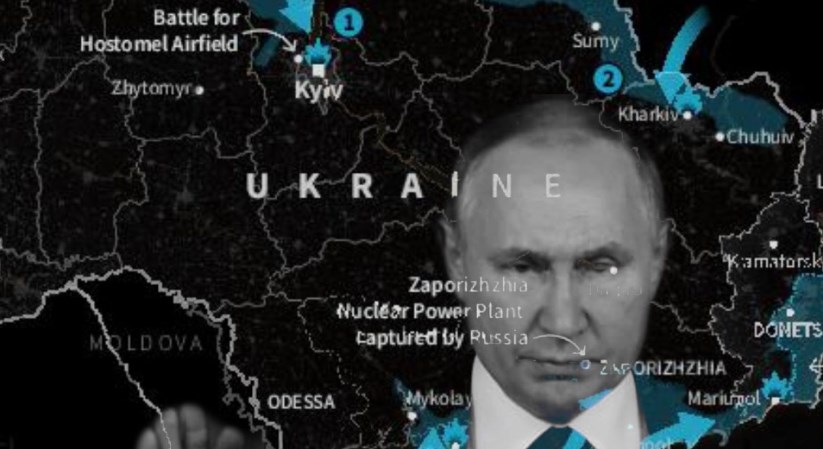
Europe and the Russia-Ukraine war: May reason rule! – Europe’s relationship with the Russia-Ukraine war has entered a defining phase. More than three years after Russia launched its full-scale invasion of Ukraine, the conflict is no longer viewed in Europe as a distant regional war. It has become a test of the continent’s political unity, military preparedness, economic resilience, and commitment to democratic values. Across European capitals, one message is increasingly clear: emotion and outrage alone cannot guide policy anymore. Reason must prevail.
Since the war began in February 2022, Europe has walked a difficult path. European Union nations quickly imposed sanctions on Russia, provided financial and military support to Ukraine, and welcomed millions of Ukrainian refugees. Leaders from Berlin to Paris, Warsaw to Brussels, framed the war as a battle not only for Ukraine’s sovereignty but for the future security of Europe itself.
In many ways, Europe responded with remarkable speed and solidarity. The EU coordinated unprecedented sanctions packages targeting Russian banks, energy exports, oligarchs, and defense industries. NATO strengthened its eastern flank. Countries that once hesitated to increase military spending began rearming. Finland and Sweden, long symbols of neutrality, moved closer to NATO membership because of growing fears about Russian aggression.
Yet as the war drags on, the emotional unity that defined Europe’s early response is facing new pressures. Economic burdens, political divisions, rising energy prices, voter fatigue, and concerns over long-term security are reshaping the conversation. Increasingly, European policymakers are realizing that sustaining support for Ukraine requires not only moral conviction but also strategic realism. Europe and the Russia-Ukraine war
The phrase “May reason rule” captures this moment perfectly. For Europe, reason means recognizing that the conflict cannot be approached through slogans alone. Governments must carefully balance support for Ukraine with the realities facing their own citizens. Inflation, energy insecurity, migration pressures, and slowing economic growth have all affected public opinion across the continent. While many Europeans still strongly support Ukraine, surveys show that concerns about the cost of the war are growing.
Germany offers a strong example of this balancing act. Initially criticized for moving too slowly, Berlin eventually became one of Ukraine’s largest military and financial supporters. However, German leaders have remained cautious about actions that could escalate tensions directly with Moscow. Chancellor Olaf Scholz has repeatedly emphasized the importance of avoiding a wider European war while continuing to defend Ukraine’s right to sovereignty.
France has taken a somewhat different approach. President Emmanuel Macron has pushed for stronger European defense cooperation and argued that Europe must prepare for long-term geopolitical competition. At times, Macron’s comments about keeping “all options open” regarding support for Ukraine sparked controversy, but they also reflected Europe’s growing understanding that the continent cannot rely indefinitely on outside powers for its own security.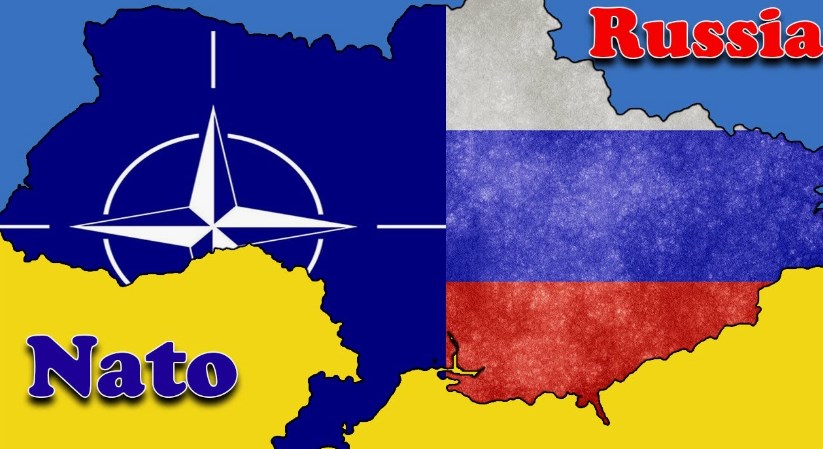
Eastern European nations, particularly Poland and the Baltic states, continue to advocate for a tougher stance toward Russia. For these countries, the war is deeply personal and historical. They see Russian aggression not as an isolated event but as part of a broader pattern that threatens regional stability. Their governments have often pushed Western European countries to move faster and provide more military aid.
Meanwhile, Hungary and some other political voices across Europe have questioned aspects of the EU’s approach. Concerns over economic damage, energy dependence, and the risk of prolonged conflict have fueled political debates. Populist and nationalist parties in several countries are using war fatigue to gain support, arguing that domestic priorities should come first. Europe and the Russia-Ukraine war
This growing political complexity is exactly why reasoned leadership matters. Europe now faces several difficult questions. How long can military aid to Ukraine be sustained? What happens if the war reaches a prolonged stalemate? How should Europe prepare for future security threats? And perhaps most importantly, how can peace eventually be achieved without rewarding aggression?
There are no easy answers. One major challenge is military production. European countries have discovered that years of reduced defense spending left them unprepared for a long-term high-intensity conflict. Ammunition shortages and slow industrial capacity have forced European governments to rethink defense policy. Investments in arms manufacturing and joint procurement are increasing, signaling a broader transformation in European security thinking.
Energy policy has also undergone dramatic change. Before the war, many European economies depended heavily on Russian gas. The invasion forced governments to rapidly diversify energy sources, accelerate renewable energy investments, and build new supply partnerships. Although Europe avoided the worst-case energy crisis scenarios feared in 2022, the economic impact remains significant.
At the same time, Europe’s relationship with the United States continues to shape the war’s trajectory. American military aid has been essential for Ukraine’s defense, but uncertainty over future U.S. political leadership has raised concerns in Europe. Many European leaders now openly discuss the need for greater strategic autonomy, believing the continent must be capable of defending its own interests regardless of political changes in Washington.
Ukraine itself remains at the center of Europe’s calculations. Despite enormous destruction and human suffering, Ukrainians continue to resist Russian occupation with determination. European nations see Ukraine’s survival as critical not only morally but strategically. A Russian victory, many fear, could destabilize the wider region and encourage future aggression elsewhere. Europe and the Russia-Ukraine war
Still, calls for diplomacy are slowly becoming more prominent. Even leaders firmly committed to supporting Ukraine acknowledge that every war eventually ends through negotiation. The challenge lies in determining under what conditions meaningful talks could occur. Ukraine insists that its territorial integrity must be respected, while Russia continues to hold occupied territory and maintain military pressure.
For Europe, reason means avoiding both dangerous escalation and premature compromise. It requires steady judgment, patience, and a clear understanding of long-term interests. Emotional reactions may rally public opinion temporarily, but sustainable policy demands careful planning and political discipline. The war has already transformed Europe in profound ways. Defense budgets have risen sharply. NATO has expanded. Energy systems are being redesigned. Political alliances are shifting. European citizens who once viewed war as something distant are confronting new security realities. At the same time, the conflict has reminded Europe of the importance of democratic unity. Despite disagreements and internal tensions, European nations have largely remained aligned in their support for Ukraine and opposition to Russian aggression. That unity, though tested, remains one of Europe’s greatest strengths.
As the war enters another uncertain chapter, Europe stands at a crossroads. The decisions made in the coming months and years will shape not only Ukraine’s future but the future of European security itself. Passion, anger, and fear will continue to influence public debate, but lasting solutions cannot be built on emotion alone. In moments of historic crisis, reason becomes essential. Europe’s challenge is not simply to react to war, but to navigate it wisely — protecting democratic values, preserving stability, and preparing for a future where peace is possible. In the end, that may be Europe’s most important test of all: ensuring that reason rules even in the shadow of war. Europe and the Russia-Ukraine war
About the Author