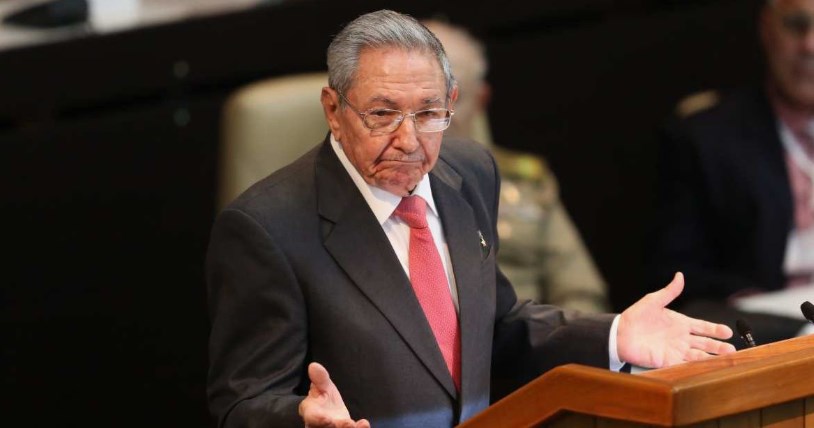
Raúl Castro, the younger brother of revolutionary icon Fidel Castro, ruled Cuba from 2008 until 2018 after years serving as one of the country’s most powerful military figures. Even after stepping down as president, Castro remained influential within Cuba’s Communist Party and political structure. Now, years after leaving office, he is once again at the center of international attention.
According to reports circulating among U.S. political and legal circles, federal officials are examining possible criminal actions linked to allegations involving repression, human rights abuses, and support for illicit activities during Castro’s years in power. While no formal indictment has yet been announced publicly, the discussions themselves represent a major escalation in Washington’s posture toward Havana.
For decades, relations between the United States and Cuba have swung between hostility and cautious diplomacy. Since Fidel Castro’s revolution in 1959, Cuba has been one of America’s most enduring geopolitical adversaries. The U.S. imposed sweeping economic sanctions on the island nation during the Cold War, accusing the Cuban government of authoritarianism and alignment with Soviet interests. Those tensions continued long after the collapse of the Soviet Union.
Raúl Castro inherited both the power and the challenges of his brother’s government. While he was often viewed as more pragmatic than Fidel, critics argued that his administration maintained the same rigid political system that restricted dissent, controlled media, and imprisoned political opponents. Human rights organizations frequently accused Cuban authorities of suppressing activists, intimidating journalists, and limiting civil liberties under Raúl’s leadership. US takes steps to indict former Cuban leader Raúl Castro
Supporters of the former Cuban leader, however, see him differently. Many Cubans credit him with introducing cautious economic reforms that allowed limited private business activity and modernized parts of the country’s economy. During his presidency, Cuba also experienced a historic thaw in relations with the United States under President Barack Obama. The reopening of embassies in 2015 marked one of the most significant diplomatic breakthroughs between the two countries in more than half a century.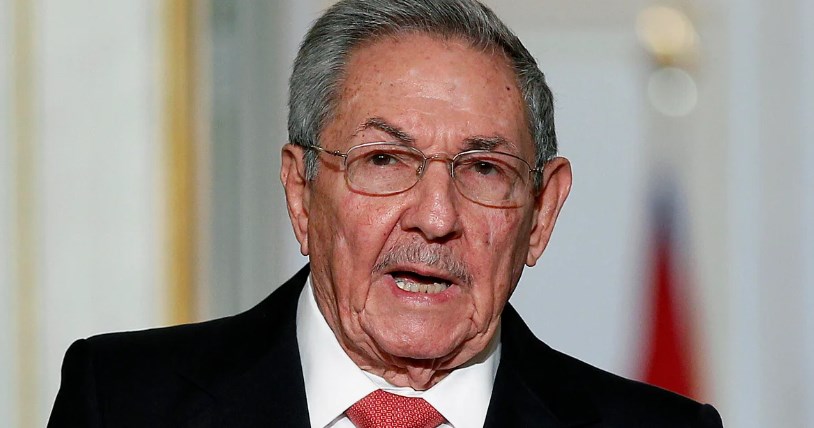
That period of improved relations proved short-lived. Under President Donald Trump, the U.S. government reversed many Obama-era policies, tightened sanctions, and took a far more aggressive stance toward Havana. The Biden administration later eased some restrictions but maintained much of the pressure infrastructure that had already been established.
Now, the possibility of legal action against Raúl Castro could push relations back toward confrontation.
Legal experts say indicting a former foreign head of state is highly unusual and politically sensitive. Although former leaders do not always enjoy permanent immunity from prosecution, pursuing charges against someone as symbolically important as Castro could carry enormous diplomatic consequences. Analysts believe the U.S. government would need substantial evidence tied to crimes that fall within American jurisdiction or international law standards.
Some reports suggest investigators are exploring allegations related to Cuba’s security apparatus and possible support for transnational criminal operations. Others speculate the inquiry could involve accusations tied to political repression and the treatment of dissidents. So far, U.S. officials have offered limited public detail, likely due to the sensitive nature of any ongoing investigation. US takes steps to indict former Cuban leader Raúl Castro
Cuba’s government has strongly rejected accusations against its former leader. Officials in Havana have long argued that Washington uses human rights claims as a political weapon to destabilize the Cuban government. State media frequently portrays American criticism as hypocrisy, pointing to U.S. military interventions and domestic controversies involving civil rights and policing.
The mere suggestion of charges against Raúl Castro has already generated reactions across Latin America. Some left-leaning governments in the region view Cuba as a symbol of resistance against American influence and are likely to condemn any prosecution attempt as politically motivated. Others, particularly governments critical of authoritarian regimes, may quietly support efforts to hold former leaders accountable for alleged abuses.
Human rights advocates are watching the situation closely. For years, organizations documenting conditions in Cuba have called for greater accountability regarding arrests of dissidents, alleged mistreatment of political prisoners, and restrictions on free speech. Activists argue that senior officials who oversaw those systems should not be shielded from legal scrutiny simply because of political status.
At the same time, critics warn that such a case could set a dangerous precedent if legal systems become tools of geopolitical rivalry. Some scholars argue that international justice must be applied consistently, rather than selectively targeting leaders from adversarial nations while ignoring abuses committed by allies.
There is also the practical question of enforcement. Even if U.S. prosecutors were to formally indict Raúl Castro, bringing him into an American courtroom would be extremely difficult. Cuba does not extradite its former leaders to the United States, and Castro rarely travels internationally. Any indictment could therefore remain largely symbolic unless broader international cooperation emerged.
Still, symbolic actions can carry enormous weight in global politics. A formal indictment would send a powerful message about Washington’s willingness to pursue accountability beyond traditional diplomatic channels. It could also deepen existing tensions between the two countries at a time when Cuba is facing severe economic hardship, rising migration pressures, and growing public frustration.
Inside Cuba, the political climate remains fragile. The country has struggled with shortages of food, medicine, fuel, and electricity in recent years. Public protests, once relatively rare, have become more visible since the massive demonstrations that erupted across the island in 2021. The Cuban government responded with arrests and crackdowns, drawing criticism from international observers.
Many younger Cubans increasingly express frustration with economic stagnation and limited freedoms, while older generations remain divided over the legacy of the Castro era. For supporters, the revolution brought universal healthcare, education, and national sovereignty. For opponents, it created decades of political repression and economic isolation. US takes steps to indict former Cuban leader Raúl Castro
Raúl Castro himself has largely retreated from public life in recent years. He officially stepped down as head of Cuba’s Communist Party in 2021, marking the end of formal Castro family leadership on the island. Yet his influence over Cuba’s political system and military establishment remains significant in the eyes of many observers.
Whether the U.S. ultimately proceeds with criminal charges or not, the reports alone underscore how unresolved the history between Washington and Havana remains. More than sixty years after the Cuban Revolution transformed the Caribbean nation, the relationship between the two countries continues to be shaped by ideology, mistrust, and competing narratives about power and justice.
For some, the possibility of indicting Raúl Castro represents overdue accountability. For others, it risks inflaming old hostilities without producing meaningful change. Either way, the situation highlights how deeply the legacy of the Cold War still echoes in modern international politics.
As legal discussions continue behind closed doors, governments, activists, and political analysts around the world will be watching closely. The outcome could influence not only U.S.-Cuba relations, but also broader debates over how the international community handles former leaders accused of abuses while balancing diplomacy, sovereignty, and the pursuit of justice. US takes steps to indict former Cuban leader Raúl Castro
About the Author