Intel has already started making chips for Apple, it seems, but not the most advanced kind
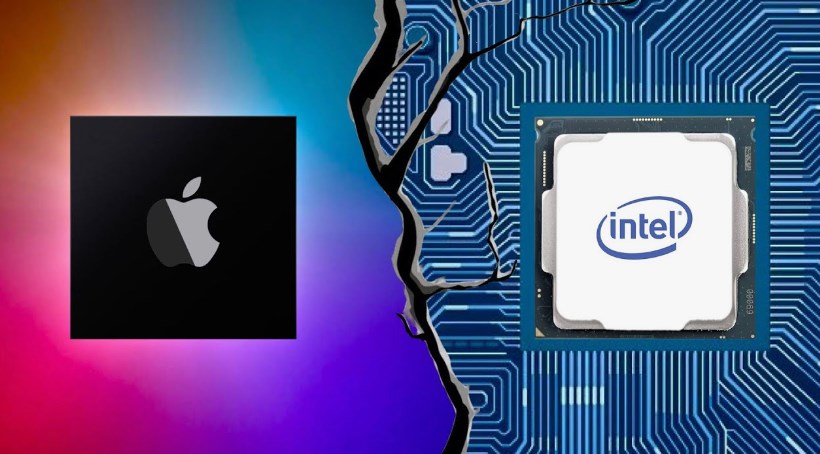
Intel has already started making chips for Apple, it seems, but not the most advanced kind – For years, the tech industry has viewed the partnership between Intel and Apple as one of the most fascinating relationships in computing history. Intel chips once powered nearly every Mac computer, helping Apple transition into a new era during the mid-2000s. But after Apple moved away from Intel processors and introduced its own custom Apple Silicon chips, many assumed the relationship between the two companies had effectively ended.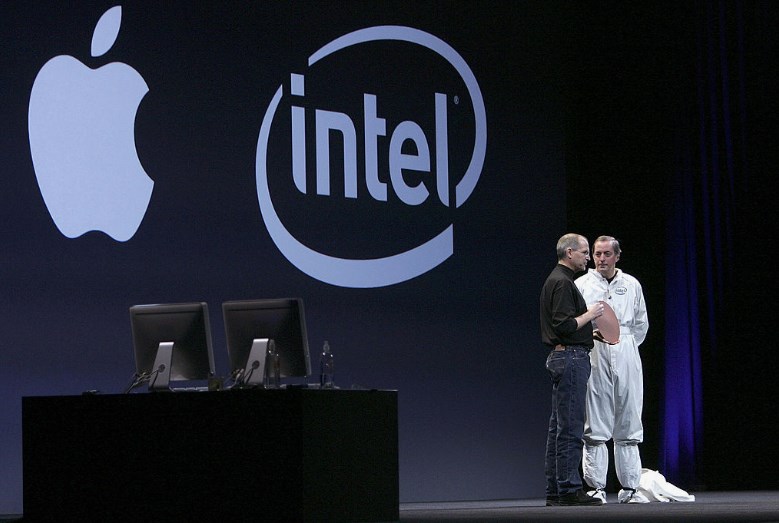
Now, however, new reports suggest the story may not be over. Intel appears to have quietly started manufacturing chips for Apple once again — although not the most cutting-edge processors that power flagship iPhones, Macs, or AI-focused hardware. Even so, the development is significant because it hints at a deeper shift happening inside the global semiconductor industry. Intel has already started making chips for Apple
The news arrives at a time when chip manufacturing has become one of the most strategically important industries in the world. Governments are investing billions, companies are reshuffling supply chains, and technology giants are trying to reduce dependence on a small number of manufacturers. Against that backdrop, Intel working with Apple again may signal a new chapter for both companies.
Intel and Apple: A Complicated History
The relationship between Intel and Apple stretches back nearly two decades. In 2005, Apple famously announced that it would abandon PowerPC processors in favor of Intel chips. The transition transformed the Mac lineup and allowed Apple computers to deliver stronger performance while improving compatibility with mainstream software.
For years, Intel-powered Macs became standard across Apple’s laptop and desktop lineup. Products like the MacBook Air, MacBook Pro, and iMac relied heavily on Intel’s processors. During that era, Intel benefited enormously from Apple’s prestige and influence, while Apple gained access to high-performance chips that helped modernize its computers.
But over time, cracks began to appear in the partnership. Intel struggled to keep pace with manufacturing delays, particularly as the industry raced toward smaller and more efficient chip designs. Apple, known for controlling nearly every aspect of its ecosystem, grew increasingly frustrated by Intel’s roadmap and limitations.
That eventually led Apple to develop its own custom processors. In 2020, Apple introduced the M1 chip, the first major step in its transition to Apple Silicon. The move was widely praised, with reviewers applauding the performance, battery life, and efficiency improvements over Intel-powered Macs. Intel has already started making chips for Apple
Since then, Apple’s in-house chip strategy has expanded rapidly. The company now produces powerful M-series chips for Macs and A-series processors for iPhones and iPads, largely manufactured by TSMC, the Taiwan-based semiconductor giant widely considered the industry leader in advanced chip production.
Why Intel Is Making Chips for Apple Again
Despite Apple’s successful departure from Intel processors, recent reports suggest Intel Foundry Services has begun producing certain chips for Apple. These are believed to be less advanced components rather than the high-performance processors used in premium consumer devices.
That distinction matters. Modern electronic devices contain far more than just a central processor. Smartphones, laptops, and wearables rely on dozens of supporting chips for connectivity, power management, display functions, sensors, and wireless communication. Many of these components do not require the latest bleeding-edge manufacturing technologies. Intel has already started making chips for Apple
This creates an opportunity for Intel. Instead of competing directly with TSMC for Apple’s most advanced silicon, Intel may be positioning itself as a secondary manufacturing partner for older-generation or less demanding chips. Such an arrangement would allow Apple to diversify its supply chain while giving Intel valuable business and credibility in the foundry market.
For Intel, the partnership could serve as a major symbolic victory. The company has spent the last several years trying to reinvent itself as a contract chip manufacturer capable of competing with Asian giants like TSMC and Samsung Electronics. Intel CEO Pat Gelsinger has repeatedly emphasized the company’s ambition to become a leading global foundry business. Landing Apple as even a partial customer would help validate that strategy.
The Bigger Picture: The Global Chip Race
The semiconductor industry has become increasingly tied to geopolitics and economic security. Countries around the world are trying to strengthen domestic chip manufacturing to reduce dependence on overseas suppliers. Much of the world’s advanced chip production currently comes from Taiwan, where TSMC dominates the market. While TSMC is widely respected for its technological leadership, governments and corporations alike are concerned about relying too heavily on a single region for such critical infrastructure.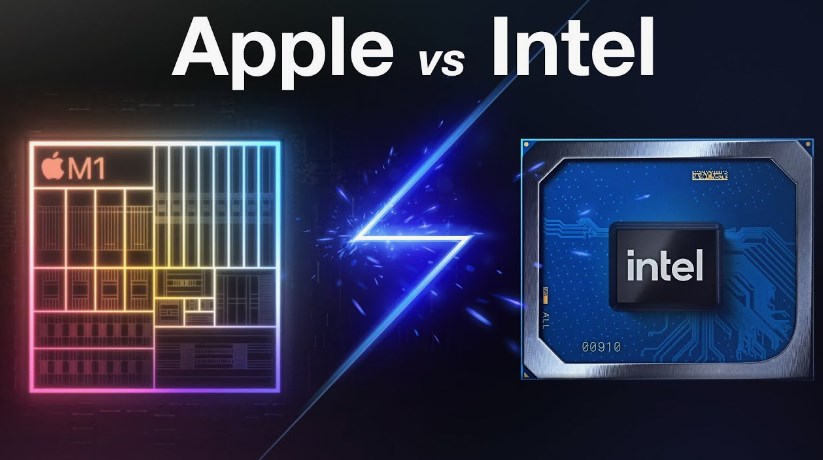
That concern has intensified amid rising tensions between China and Taiwan. The United States has responded by pushing for more domestic semiconductor manufacturing through initiatives like the CHIPS Act, which provides funding and incentives for companies building factories in America. Intel has become one of the biggest beneficiaries of that push, with the company investing heavily in new fabrication plants across the U.S. and Europe.
Apple, meanwhile, also has reasons to diversify its manufacturing network. Although TSMC remains its primary partner, relying entirely on one supplier carries risks. By working with Intel for some components, Apple could strengthen supply chain resilience without sacrificing access to advanced manufacturing for flagship chips.
Why Apple Still Trusts TSMC for Advanced Chips
Even with Intel reportedly producing some Apple chips, TSMC remains far ahead in the race for leading-edge semiconductor manufacturing. The most advanced Apple processors — including chips powering high-end iPhones, Macs, and AI workloads — require cutting-edge fabrication processes measured in nanometers. TSMC has consistently led the industry in deploying these advanced technologies at scale.
Intel, while improving, has spent years trying to recover from manufacturing setbacks and delays. Although the company is aggressively investing in next-generation processes, it still faces enormous pressure to prove it can compete consistently with TSMC. That’s likely why Apple appears cautious about which chips Intel is handling.
For now, Intel’s role seems limited to mature-node production rather than Apple’s flagship silicon. Mature nodes are older manufacturing processes that remain highly valuable for many components but are less demanding technologically. Even so, the collaboration could gradually expand if Intel demonstrates reliability, competitive pricing, and strong production capabilities. Intel has already started making chips for Apple
A Potential Turning Point for Intel
Intel’s comeback efforts have become one of the most closely watched stories in the technology industry. The company was once viewed as nearly untouchable in the processor market, especially during the PC boom years. But over the past decade, Intel has faced mounting challenges from competitors like AMD, Apple Silicon, and the rapid rise of AI-focused chipmakers such as NVIDIA.
Intel’s manufacturing struggles damaged its reputation, and many analysts questioned whether the company could regain its former dominance. That’s why any sign of Apple doing business with Intel again attracts attention. Apple is known for maintaining extremely high standards for suppliers and manufacturing partners. Even limited collaboration could indicate that Intel’s foundry ambitions are being taken seriously inside the industry.
For Intel, success in contract manufacturing is critical. Rather than relying solely on selling its own branded processors, the company wants to become a trusted manufacturing partner for outside customers — much like TSMC already is. If Intel can secure long-term relationships with companies like Apple, it could dramatically reshape the competitive landscape of semiconductor manufacturing over the next decade.
What This Means for Consumers
For everyday consumers, the immediate impact may be difficult to notice. Apple devices are unlikely to suddenly advertise “Intel-made” components, especially if the chips involved are internal support hardware rather than main processors. However, the broader implications could still matter.
A more diversified semiconductor supply chain may help reduce shortages, improve manufacturing stability, and potentially lower risks tied to geopolitical disruptions. It could also increase competition among manufacturers, which may eventually benefit pricing and innovation across the tech industry.
The collaboration also highlights how interconnected the semiconductor world remains. Even companies that appear to be fierce rivals often depend on each other in unexpected ways. Apple may no longer rely on Intel CPUs for Macs, but that doesn’t mean the relationship between the two companies has completely disappeared. In fact, it may simply be evolving into something very different from before. Intel has already started making chips for Apple
As the global race for chip manufacturing intensifies, partnerships like this could become increasingly common. Tech giants are learning that flexibility, redundancy, and strategic manufacturing alliances are just as important as designing the next breakthrough device. And for Intel, quietly making chips for Apple again — even if they are not the most advanced ones — may represent the beginning of a long-awaited comeback story.
About the Author