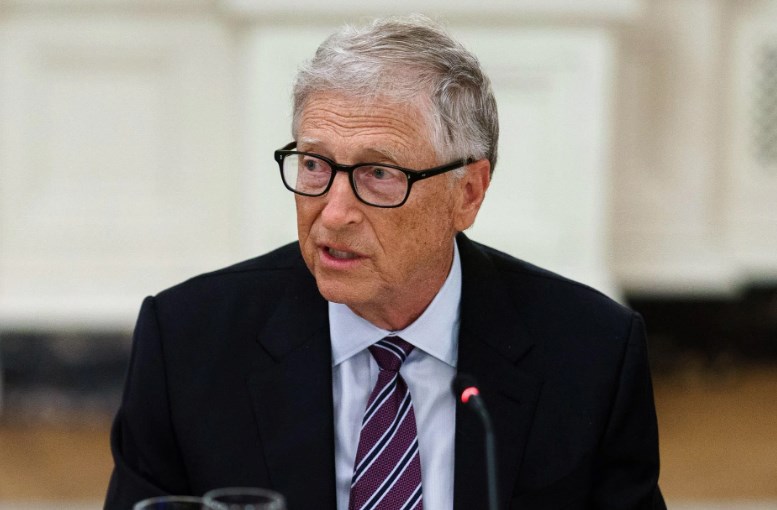
Bill Gates testifying before House committee about Epstein ties – The connection between billionaire philanthropist Bill Gates and convicted sex offender Jeffrey Epstein has once again become a focal point of public debate, as Gates reportedly testified before a House committee examining the nature of their relationship and the broader questions surrounding Epstein’s network of influential associates.
The hearing marks another chapter in a controversy that has followed the Microsoft co-founder for years, despite his repeated attempts to distance himself from Epstein and explain the circumstances of their interactions. While Gates has consistently maintained that meeting Epstein was a mistake, lawmakers continue to seek answers about why one of the world’s most prominent business leaders engaged with a man whose criminal history was already widely known. The testimony has reignited conversations about accountability among powerful individuals and the responsibility public figures have when choosing whom they associate with.
Why the Relationship Continues to Draw Attention
Jeffrey Epstein’s influence extended far beyond his criminal activities. Before his death in 2019, Epstein cultivated relationships with politicians, academics, business executives, celebrities, and financiers around the world. His ability to gain access to elite circles has remained one of the most troubling aspects of the Epstein saga.
For Bill Gates, scrutiny intensified after reports emerged that he met with Epstein multiple times following Epstein’s 2008 conviction for soliciting a minor. Critics have long questioned why Gates, who was already deeply involved in global philanthropy through the Bill & Melinda Gates Foundation, would choose to engage with someone carrying such a notorious reputation.
According to previous public statements, Gates believed some of those meetings might help advance discussions related to philanthropy and charitable initiatives. However, Gates later admitted that those meetings were a significant error in judgment.
During the House committee testimony, lawmakers reportedly sought clarification regarding the frequency of the meetings, the purpose behind them, and whether any business or philanthropic arrangements were discussed. The hearing reflects broader concerns about how influential figures interacted with Epstein despite public awareness of his criminal background.
Gates’ Previous Admissions
This is not the first time Gates has addressed the issue publicly. In several interviews over recent years, Gates acknowledged that his association with Epstein was a mistake. He has repeatedly said that he regretted meeting with Epstein and that nothing productive came from the relationship. One of Gates’ most widely quoted statements on the matter came when he admitted that spending time with Epstein was “a huge mistake.”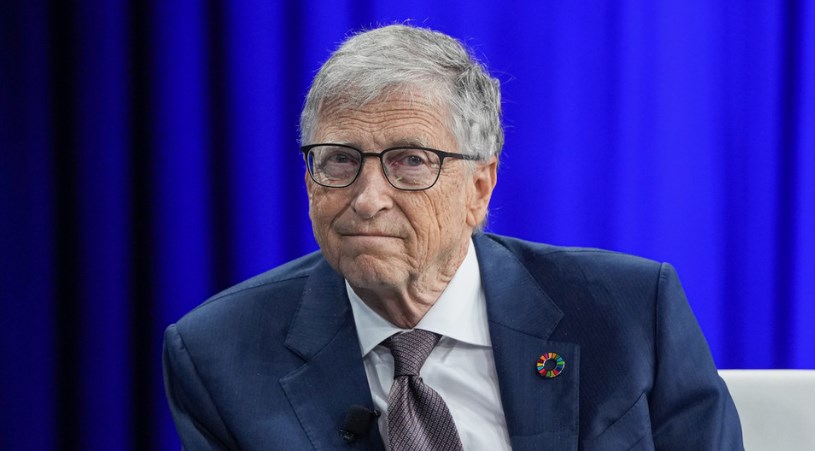
The billionaire has consistently argued that his interactions with Epstein were limited and centered on discussions involving philanthropy. Nevertheless, critics have argued that those explanations fail to fully address why such meetings occurred after Epstein’s conviction had already become public knowledge. The renewed congressional inquiry suggests lawmakers believe additional clarification remains necessary.
Questions Surrounding Influence and Access
One of the most enduring mysteries surrounding Epstein is how he maintained relationships with some of the world’s most powerful individuals. The House committee’s interest in Gates appears to be part of a broader effort to understand the mechanisms that allowed Epstein to preserve influence despite legal troubles and public scrutiny. Investigators and lawmakers have long examined how Epstein leveraged connections with wealthy and influential figures to enhance his credibility. While there has been no evidence suggesting that every individual who interacted with Epstein participated in wrongdoing, questions persist regarding why so many prominent people were willing to engage with him.
For Gates, the issue is particularly sensitive because of his public image. For decades, he has been regarded as one of the world’s leading philanthropists. Through the Bill & Melinda Gates Foundation, Gates has contributed billions of dollars toward global health initiatives, disease prevention, education programs, and poverty reduction efforts. That reputation has made any association with Epstein especially damaging. Critics argue that leaders with immense public influence should exercise greater caution when choosing professional contacts and collaborators. Supporters, meanwhile, contend that Gates has already acknowledged his mistake and has been transparent about regretting the relationship. Bill Gates testifying before House committee about Epstein ties
Political and Public Reactions
News of Gates’ testimony has generated strong reactions across political lines. Some lawmakers view the hearing as a necessary step toward uncovering the full extent of Epstein’s influence and understanding how he gained access to elite institutions. They argue that transparency is essential, particularly when high-profile individuals are involved. Others question whether continued focus on Gates distracts from broader efforts to investigate individuals who may have played more direct roles in facilitating Epstein’s activities.
Public reaction has been similarly divided. Many people believe influential figures should be held accountable for their associations, particularly when those relationships involve individuals with documented criminal histories. Others argue that guilt should not be assigned solely based on meetings or social connections, especially in the absence of evidence linking those individuals to criminal conduct. The debate reflects larger societal questions about power, influence, and accountability.
The Broader Epstein Legacy
Years after Epstein’s death, his case continues to cast a long shadow over politics, business, academia, and philanthropy. New revelations, court documents, and investigations have repeatedly generated headlines, ensuring that questions about his network remain in the public eye. Each new inquiry tends to renew interest in the people who crossed paths with him and the reasons those relationships existed. Bill Gates testifying before House committee about Epstein ties
For Congress, examining these connections is part of a broader effort to understand how powerful individuals and institutions may have enabled or overlooked troubling behavior.For witnesses such as Gates, the challenge is explaining decisions that, while perhaps not illegal, appear questionable in hindsight. The Epstein scandal has become about more than one individual’s crimes. It has evolved into a case study of how wealth, status, and influence can sometimes shield people from scrutiny and create environments where warning signs are ignored.
What Comes Next
The outcome of Gates’ testimony remains uncertain. House committee members are expected to review statements, documents, and other evidence as part of their ongoing investigation. Whether the hearing produces significant new revelations or simply reinforces information already known to the public, it demonstrates that interest in Epstein’s network has not faded. For Gates, the appearance before lawmakers represents another effort to answer lingering questions about a chapter of his life that continues to attract attention despite years of public explanations and expressions of regret.
As congressional investigations move forward, the focus is likely to remain on transparency, accountability, and understanding how Epstein maintained relationships with some of the most influential figures of his era. The hearing serves as a reminder that public trust can be affected not only by actions but also by associations. For leaders whose influence reaches across industries and continents, the people they choose to meet can sometimes become as important as the work they do. Whether the testimony changes public perceptions of Bill Gates remains to be seen. What is clear, however, is that the Epstein story continues to raise difficult questions about judgment, responsibility, and the obligations that come with power. Bill Gates testifying before House committee about Epstein ties
About the Author