US demands that Belgium impose entry ban on Congolese nationals in fight against Ebola
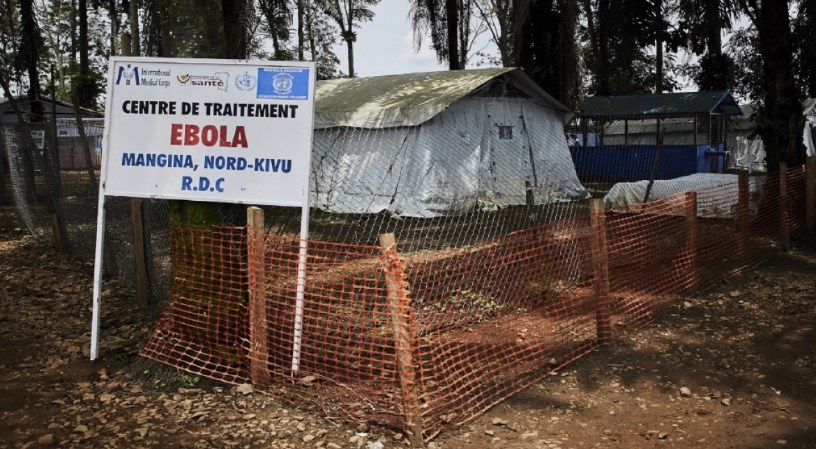
US demands that Belgium impose entry ban on Congolese nationals in fight against Ebola – As global health authorities continue monitoring outbreaks of infectious diseases across Africa, a diplomatic dispute is emerging over efforts to contain the spread of Ebola. Reports indicate that the United States has urged Belgium to consider imposing stricter entry measures, including a temporary ban on travelers from the Democratic Republic of Congo (DRC), as part of broader efforts to prevent the deadly virus from crossing international borders.
The request has sparked debate among public health experts, diplomats, and human rights advocates, highlighting the delicate balance between protecting public health and avoiding policies that could unfairly target entire populations.
Rising Concerns Over Ebola’s Spread
The latest Ebola outbreak in the Democratic Republic of Congo has once again put international health agencies on high alert. Ebola, one of the world’s deadliest viral diseases, is known for causing severe hemorrhagic fever and has mortality rates that can reach as high as 90% in some outbreaks, although modern treatments have significantly improved survival rates. Health officials have been tracking new infections in several regions of the DRC, where challenges such as limited healthcare infrastructure, armed conflict, and population displacement have complicated containment efforts.
While the outbreak remains concentrated within affected areas, concerns have grown about international travel and the possibility of infected individuals unknowingly carrying the virus abroad. These fears have prompted discussions among governments about tightening border controls and enhancing screening measures. According to reports, US officials believe that stronger travel restrictions could reduce the risk of imported cases and help safeguard public health in Europe and North America.
Why Belgium Is a Key Focus
Belgium occupies a unique position in relation to the Democratic Republic of Congo. The two countries share deep historical ties dating back to Belgium’s colonial rule over Congo during the late 19th and early 20th centuries. Today, Belgium remains home to one of the largest Congolese diaspora communities in Europe. Thousands of travelers move between Belgium and the DRC every year for business, education, family visits, and humanitarian work. Brussels also serves as a major transportation hub connecting Africa with the rest of Europe.
Because of these connections, Belgian airports often receive passengers arriving from Congolese cities, making the country a critical gateway for monitoring potential health threats. US officials reportedly view Belgium as an important partner in preventing the international spread of Ebola. By implementing stricter entry requirements, Washington believes Belgium could help strengthen broader efforts to contain the outbreak before it reaches other regions.
Public Health Versus Travel Restrictions
The proposal has reignited a long-standing debate within global health circles. Many infectious disease experts argue that travel bans are not always effective in stopping outbreaks. In previous health emergencies, including Ebola outbreaks and the COVID-19 pandemic, some studies suggested that travel restrictions can delay the spread of disease but rarely prevent it entirely. Critics warn that blanket bans may discourage transparency. Individuals fearing travel restrictions might avoid seeking medical care or fail to report symptoms, making outbreaks harder to track.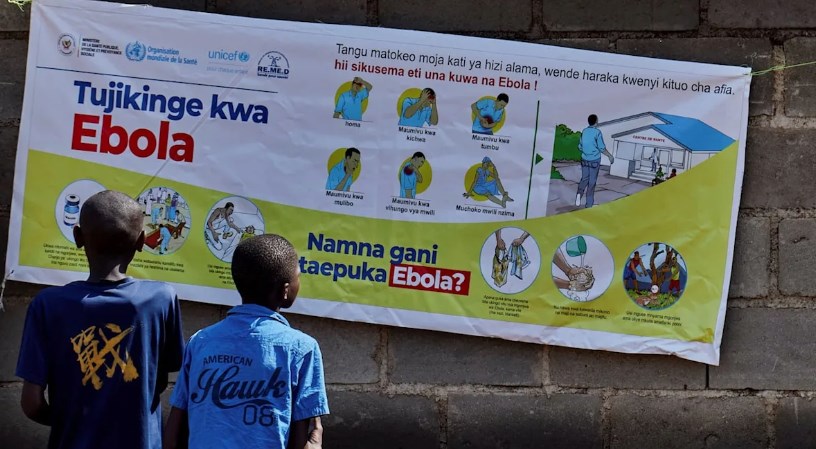
Others argue that resources would be better spent on rigorous screening procedures, testing programs, contact tracing, and vaccination campaigns rather than outright travel prohibitions. Supporters of stricter measures, however, contend that governments have a responsibility to take precautionary actions when dealing with highly lethal diseases. Even a single imported Ebola case can trigger widespread concern and require extensive public health resources. The challenge lies in determining which measures provide meaningful protection without causing unnecessary social or economic harm.
Belgium’s Delicate Decision
Belgian authorities now find themselves navigating a complex situation. On one hand, the government faces pressure from international partners to strengthen safeguards against Ebola. On the other, Belgium must consider its commitments to international law, human rights principles, and its longstanding relationship with the Congolese community. Officials in Brussels have emphasized that any decisions regarding border controls would be based on scientific evidence and guidance from public health experts rather than political pressure.
Belgium has historically favored risk-based screening and monitoring measures rather than broad nationality-based restrictions. Health authorities have invested heavily in disease surveillance systems designed to detect potential threats quickly and respond effectively. Government representatives have also stressed the importance of maintaining humanitarian access and ensuring that aid workers can continue supporting outbreak response efforts in affected regions. US demands that Belgium impose entry ban on Congolese nationals in fight against Ebola
Impact on Congolese Communities
The possibility of entry restrictions has generated anxiety among Congolese communities both in Europe and abroad. Many families maintain close ties across continents, relying on international travel to visit relatives, attend educational programs, or conduct business activities. A travel ban could disrupt these connections and create additional hardships for individuals with no connection to outbreak zones. Community leaders have expressed concerns about stigmatization, warning that nationality-based restrictions may reinforce harmful stereotypes and discrimination.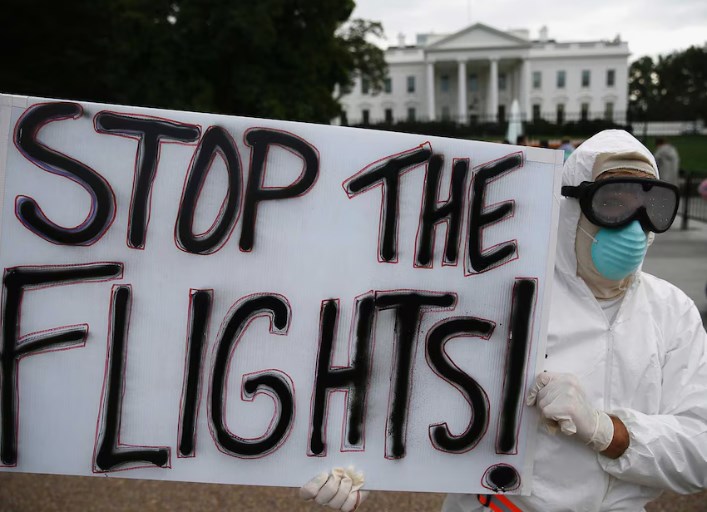
Public health advocates emphasize that Ebola is not spread through casual contact or nationality. The virus is transmitted through direct contact with bodily fluids of infected individuals, meaning that careful screening and monitoring can often identify risks more effectively than broad bans. Some experts argue that targeting travelers based solely on citizenship could undermine trust in public health institutions and discourage cooperation from affected communities.
Lessons From Past Ebola Outbreaks
The world has faced similar debates before. During the devastating West African Ebola epidemic between 2014 and 2016, numerous countries implemented travel restrictions and border controls. While some measures were credited with slowing international transmission, others were criticized for disrupting aid efforts and creating economic hardship in affected regions. The outbreak ultimately demonstrated that strengthening healthcare systems, expanding testing capacity, and supporting local containment efforts were among the most effective tools for controlling the virus.
Since then, significant advances have been made in Ebola response. Vaccines, rapid diagnostic tests, and improved treatment protocols have transformed how health authorities manage outbreaks. Today, experts generally agree that rapid detection and targeted interventions are more effective than broad restrictions alone. US demands that Belgium impose entry ban on Congolese nationals in fight against Ebola
The Global Health Challenge Ahead
The situation highlights a broader challenge facing governments around the world: how to respond quickly to emerging health threats while preserving international cooperation and human mobility. In an increasingly interconnected world, diseases can cross borders within hours. At the same time, overly restrictive policies can strain diplomatic relations and create unintended consequences. For the United States, the push for stronger precautions reflects concerns about preventing Ebola from gaining a foothold outside affected regions. For Belgium, the decision involves balancing public safety with scientific guidance and humanitarian considerations.
As health officials continue monitoring developments in the Democratic Republic of Congo, the debate is likely to intensify. Whether Belgium adopts stricter entry measures or continues relying on enhanced screening and surveillance, the outcome could influence how other nations respond to future outbreaks. Ultimately, the Ebola challenge serves as a reminder that global health security depends not only on national policies but also on international collaboration, trust, and a commitment to evidence-based decision-making. In the fight against deadly diseases, cooperation often proves just as important as caution. US demands that Belgium impose entry ban on Congolese nationals in fight against Ebola
About the Author