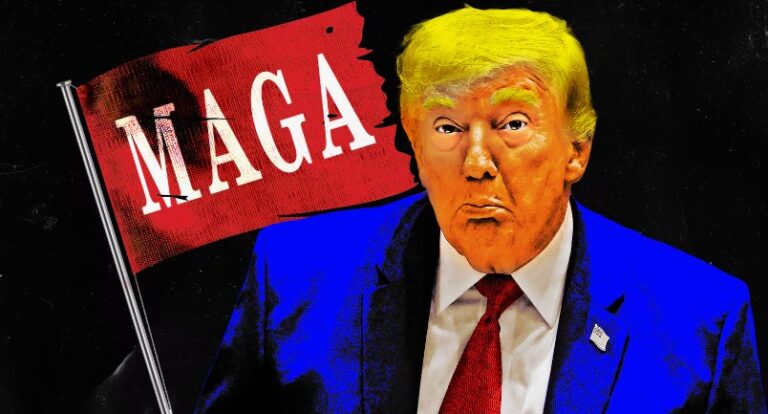
When the MAGA’s over: Nostalgia sets in for Trump fans at final rallies – For years, Donald Trump’s rallies have been more than ordinary political events. They have been loud, emotional gatherings filled with red caps, patriotic merchandise, familiar slogans, music, and supporters who see themselves as part of a movement larger than any single election. But as the 2026 midterm elections approach, something different is emerging at some of these gatherings: nostalgia for the early days of MAGA and questions about what comes next.
Trump’s recent campaign appearances have brought him back to places where his political following first demonstrated its strength. The atmosphere still includes enthusiastic crowds, merchandise stalls, chants, and the familiar spectacle that has defined his political career. Yet the mood also carries a sense of reflection. For some supporters, attending a rally is not simply about encouraging Republican candidates. It is an opportunity to revisit a political experience that has shaped their lives for nearly a decade.
The changing atmosphere comes at a difficult moment for Trump and his party. Economic frustrations, disagreements over policy, and concerns about Republican prospects have complicated the administration’s message ahead of the November 3 midterm elections. Trump is campaigning to help Republican candidates maintain congressional control, but his rallies increasingly serve another purpose: reminding longtime followers of the excitement and shared identity that first brought them into the MAGA movement.
The Emotional Power of Trump’s Rallies
When Trump entered presidential politics in 2015, his campaign events quickly developed a distinctive identity. They blended political speeches with the atmosphere of a live entertainment show, attracting people who felt disconnected from traditional politicians. His blunt language, attacks on established institutions, and promises to put America first helped him build a devoted following that extended beyond conventional Republican politics.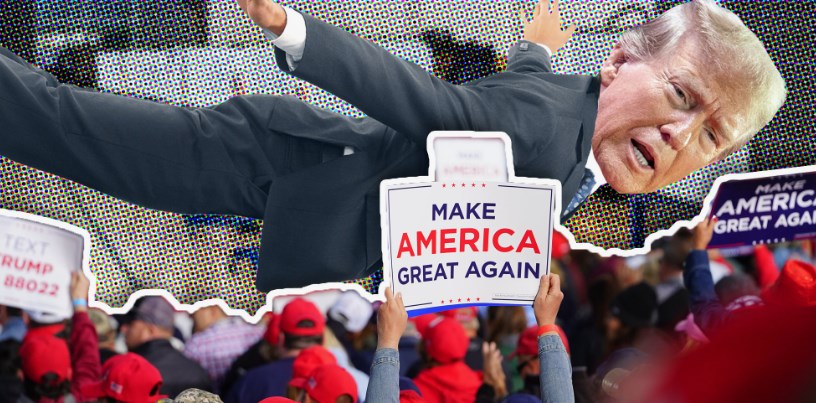
For supporters, the rallies offered an experience that television appearances and online posts could not fully reproduce. People traveled long distances, waited in lines, bought campaign merchandise, and gathered with strangers who shared their political beliefs. The event itself became part of the appeal, creating a sense of community among people who believed their concerns were frequently ignored by political leaders and the mainstream media.
That emotional connection has proved remarkably durable. Even after years of controversies, elections, investigations, and policy disputes, Trump’s most committed followers continue to attend his events. Familiar songs, slogans, and stories about his earlier campaigns can bring back memories of the movement’s rise, when many supporters believed they were witnessing a historic challenge to the political establishment. When the MAGA’s over
But nostalgia can also change the way people experience a political rally. Instead of concentrating entirely on the candidates being promoted or the policies being discussed, attendees may find themselves remembering earlier victories, enormous crowds, and the excitement surrounding Trump’s unexpected political success. The event becomes a chance to reconnect with the past, even as the political circumstances around them continue to change.
Recent reporting on Trump’s campaign appearances has highlighted this nostalgic tone. At a rally in Fort Myers, Florida, supporters reflected on years of attending his events, while Trump himself spoke wistfully about the crowds and enthusiasm that had accompanied his political journey. His comments suggested that he understands the rallies have become an important part of his public identity, not merely a tool for winning elections.
A Movement Looking Back at Its Early Days
The MAGA movement began with a promise to challenge Washington’s political establishment and restore what Trump described as American greatness. For many of his supporters, that message was about more than individual policies. It reflected frustration with economic uncertainty, cultural changes, immigration, and a feeling that political leaders were not listening to ordinary citizens.
The rallies gave those frustrations a public voice. Supporters could express their beliefs openly, wear campaign merchandise proudly, and feel surrounded by people who understood their concerns. That shared experience helped turn Trump’s campaign into a lasting political identity, one that continued to influence Republican politics even when he was not actively campaigning for office.
Now, with the 2026 midterms approaching, returning to familiar locations can bring those memories back into focus. Trump’s appearances in Republican strongholds have recalled the early stages of his political rise, including the enormous crowds that helped establish him as a serious contender in 2015 and 2016. His return to places associated with those beginnings offers an opportunity to reconnect with the supporters who helped build his movement.
However, the political environment is different today. Trump is once again president, and voters can evaluate his administration against the promises he made during his campaigns. Economic conditions, government decisions, and international conflicts are no longer simply hypothetical questions about what a Trump presidency might look like. They are part of his actual record, and supporters have different opinions about how well that record matches their expectations.
For some attendees, nostalgia reinforces their loyalty. For others, remembering the movement’s early promises may encourage a more complicated assessment of its current direction. The same rally can therefore mean different things to different people: a celebration of political success, a reaffirmation of shared values, or a reminder of expectations that remain unfulfilled.
Economic Frustrations Test the MAGA Message
Economic concerns have become an important challenge for Trump as he tries to help Republicans retain control of Congress. While the president has promoted his administration’s economic achievements and investment plans, many households remain focused on the prices they encounter every day. Gasoline, groceries, housing, and other basic expenses can shape political attitudes more directly than broad claims about national economic performance.
Reuters reported on October 24 that Trump’s economic message was colliding with voter concerns about rising living costs. Its review of the midterm campaign also noted that his approval rating had fallen to 31 percent, highlighting the political difficulties facing the administration less than two weeks before Election Day. These pressures make the rallies important not only as displays of enthusiasm but also as tests of whether that enthusiasm can translate into votes. 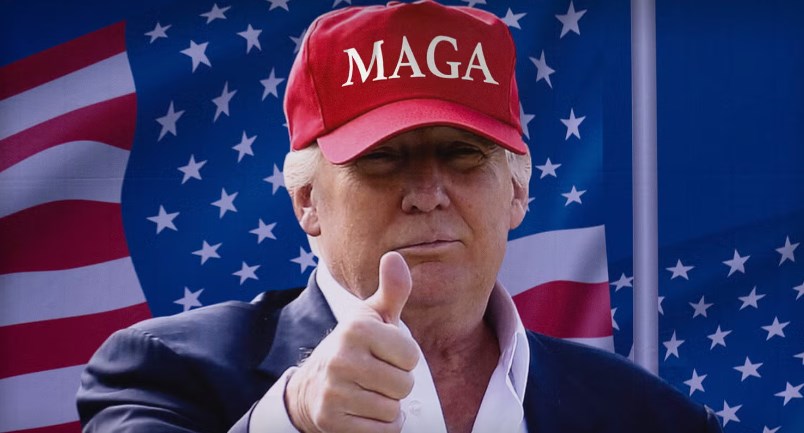
For supporters who continue to defend the president, economic difficulties do not necessarily mean they have abandoned his broader political vision. Some blame lingering problems on previous administrations, international developments, or opposition from Democrats. Others believe Trump’s policies need more time to produce the results they expect. Their continued attendance demonstrates that political loyalty can survive disappointment, particularly when voters believe the alternatives would be worse. When the MAGA’s over
Still, economic frustrations create a challenge that campaign slogans cannot always resolve. A supporter may appreciate Trump’s speeches and feel connected to the MAGA community while remaining concerned about the cost of everyday life. That distinction matters because personal enthusiasm for a political figure does not automatically translate into satisfaction with every government decision.
The issue is especially important during midterm elections, when voters are choosing congressional representatives rather than deciding whether Trump should return to the White House. Republican candidates need to persuade voters that the administration’s policies deserve continued support, while Democrats are trying to turn economic dissatisfaction into electoral gains.
Trump’s rallies can energize committed followers, but the broader electorate includes people who do not share the same emotional attachment. The question for Republicans is whether the excitement generated by the president can reach beyond his most loyal supporters and convince less enthusiastic voters to participate.
Loyalty, Doubts, and the Future of MAGA
One of the most striking aspects of Trump’s political movement is its ability to maintain a strong personal connection between the president and his supporters. For many, that relationship is rooted in years of shared political battles, memorable campaign events, and the belief that Trump represents people who have been overlooked by traditional political institutions.
That connection can be difficult to break, even when disagreements emerge. Political movements built around a recognizable personality often draw strength from a sense of belonging, not just agreement with a policy platform. Supporters may continue identifying with MAGA because of their broader cultural beliefs, their distrust of political opponents, or the relationships they have developed with other members of the community.
Nevertheless, loyalty should not be confused with complete agreement. The Republican coalition includes people with different priorities, from immigration and border security to economic policy, government spending, and America’s role overseas. Disagreements over these issues can become more visible when a movement has spent years emphasizing unity behind one leader.
The future of MAGA will depend partly on how those disagreements develop. If Trump continues to dominate the Republican Party, his personal appeal may remain central to its identity. If his popularity weakens or the party experiences significant electoral setbacks, Republican politicians may face greater pressure to define their own messages and demonstrate that the movement can survive beyond Trump’s presidency.
The rallies themselves provide a glimpse into that uncertainty. Their familiar rituals can reinforce a feeling that the movement remains powerful, but the political circumstances surrounding them are changing. A packed venue, an enthusiastic chant, or a long line for merchandise cannot by itself establish how voters will behave in the privacy of a polling booth.
Nostalgia can sustain a movement by reminding its members why they joined in the first place. It can also become a way of looking backward when the present proves more complicated than expected. For MAGA supporters, those two possibilities may exist side by side.
More Than a Campaign Stop
As the November midterms approach, Trump’s rallies occupy an unusual place in American politics. They are campaign events intended to support Republican candidates, but they are also celebrations of a political movement that has reshaped the Republican Party and influenced national debate for more than a decade.
For longtime attendees, the experience can be deeply personal. The familiar music, merchandise, slogans, and speeches offer a connection to earlier moments when the movement appeared to be challenging the political establishment and opening a new chapter in American politics. Returning to those events can feel like revisiting an important part of their own lives.
Yet the rallies also reveal the difficulty of maintaining that excitement over time. Political movements must eventually confront the practical consequences of the policies they support. Economic pressures, disagreements within their coalitions, and changing public attitudes can test even the strongest relationships between leaders and followers.
Trump’s willingness to revisit familiar places and reflect on the history of his rallies suggests that he recognizes the importance of that connection. His supporters continue to provide a visible reminder of the movement’s enduring appeal, even as questions remain about the administration’s performance and the Republican Party’s prospects in November.
Whether the current wave of nostalgia represents a temporary moment of reflection or a deeper shift in the movement’s political mood remains uncertain. Some supporters will leave these gatherings more determined than ever, while others may begin reassessing their expectations. Many will likely continue supporting Trump while holding mixed feelings about particular policies or economic conditions.
Ultimately, the MAGA movement is not defined by a single rally or election. Its future will depend on whether its leaders can translate longstanding political loyalties into answers to the problems voters face today. The excitement of the early years may remain a powerful memory, but memories alone cannot determine what comes next. When the MAGA’s over
For now, Trump’s rallies offer both a reminder of how far his movement has traveled and a glimpse of the questions confronting it. The crowds may still cheer, the familiar slogans may still echo through the venues, and supporters may still wear their red caps with pride. But beneath the spectacle, the political conversation is evolving—and the movement’s next chapter will be shaped by more than nostalgia.
About the Author