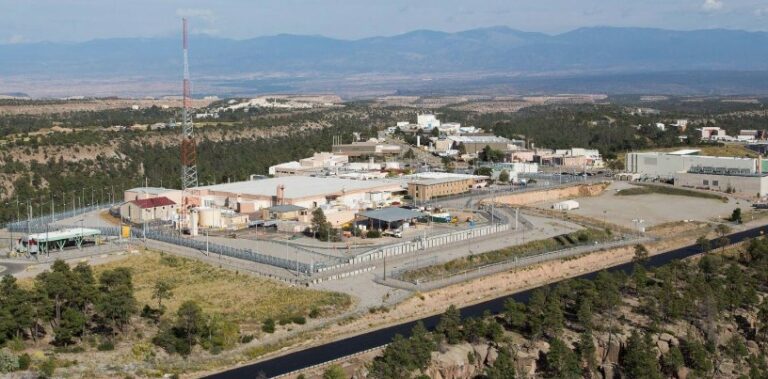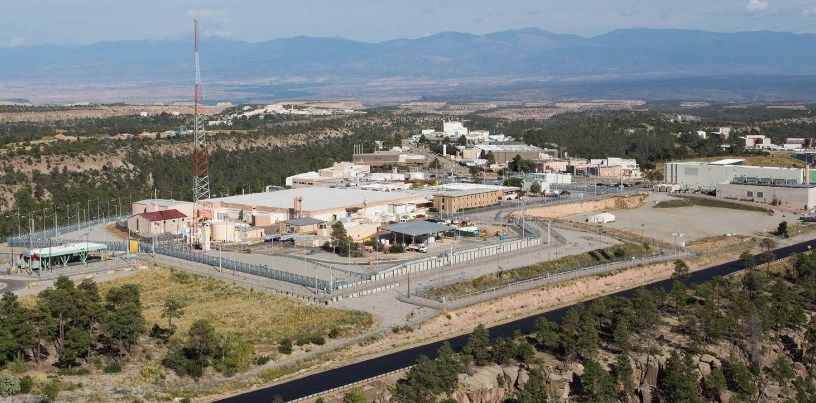
New Documentary Explores Growing Tensions in New Mexico Over Nuclear Weapons – New Mexico has a complicated relationship with nuclear weapons. For decades, the state has played a central role in America’s nuclear research, weapons development, and national security efforts. Its laboratories have helped shape the country’s military capabilities, while the communities surrounding these facilities have lived with the economic benefits and difficult questions that come with hosting some of the world’s most sensitive scientific work. Now, a new documentary is bringing those tensions into focus, exploring how nuclear weapons continue to influence the state’s identity, environment, and future.
The film examines a debate that reaches far beyond laboratory walls. For some residents, nuclear research represents scientific achievement, well-paying jobs, and an essential contribution to national defense. For others, it raises troubling questions about the long-term consequences of nuclear weapons, the risks of expanding production, and the environmental legacy left by decades of military activity. These perspectives often exist within the same communities, making the issue more complicated than a simple argument for or against nuclear technology.
By focusing on the people who live with these competing realities, the documentary offers an opportunity to understand why New Mexico remains at the center of America’s nuclear debate. Its story is not just about weapons or government policy. It is also about families, workers, Indigenous communities, and residents trying to determine what kind of future they want for the place they call home.
New Mexico’s Long History With Nuclear Weapons
New Mexico’s connection to the nuclear age began during World War II, when the United States launched the Manhattan Project to develop an atomic bomb before Nazi Germany could potentially build one. The remote landscape of Los Alamos provided a location for scientists and engineers to work on the highly secretive program. In July 1945, the world’s first nuclear explosion took place at the Trinity Site in southern New Mexico, marking a turning point in modern history.
The successful test helped usher in the nuclear age, but its consequences extended well beyond the military and scientific achievements celebrated by the government. The development and eventual use of atomic weapons transformed international relations and raised questions about the destructive power humanity had created. For New Mexico, the project also established a lasting relationship with the nation’s nuclear weapons infrastructure.
In the decades that followed, Los Alamos National Laboratory became a major center for nuclear research, while Sandia National Laboratories in Albuquerque developed technologies supporting national security and weapons systems. The facilities brought skilled employment, federal investment, and scientific opportunities to the state. They also helped make nuclear weapons work an enduring part of New Mexico’s economy.
That history helps explain why the subject remains sensitive today. Nuclear laboratories are not isolated institutions with no connection to ordinary life. They employ local residents, support businesses, and influence decisions about public spending and regional development. Their presence can provide economic stability while also raising questions about the purpose and consequences of the work being conducted.
The documentary revisits this history to show how decisions made generations ago continue to shape the present. Understanding the debate requires recognizing both the scientific achievements associated with New Mexico and the serious ethical questions that have accompanied the development of nuclear weapons since the beginning.
The Economic Benefits and the Human Cost
For many people in New Mexico, nuclear laboratories are important employers. Scientific researchers, engineers, technicians, security personnel, construction workers, and support staff contribute to an industry that sustains thousands of jobs. These positions can provide stable incomes and career opportunities in a state where economic development remains an important concern.
The laboratories also support local businesses through contracts, services, and spending by employees. Their presence can attract highly educated workers, encourage research partnerships, and contribute to technological innovation. Supporters of continued nuclear investment argue that maintaining the nation’s nuclear capabilities is necessary for deterrence and national security, particularly in an increasingly uncertain international environment.
However, the economic benefits can make the debate difficult for residents who have serious concerns about nuclear weapons. Speaking against an institution that supports local employment may feel like challenging the livelihoods of neighbors, friends, or family members. For some households, the question is not simply whether nuclear weapons are desirable, but whether communities can maintain economic security without depending so heavily on the nuclear weapons industry.
The documentary explores this tension by placing human experiences alongside larger political arguments. A laboratory employee may see their work as protecting the country, while another resident may question whether the same investment would be better directed toward renewable energy, healthcare, education, or environmental restoration. Both perspectives can emerge from a genuine concern for the community’s future.
These competing priorities are particularly important when government spending increases. Supporters of nuclear modernization emphasize the need to maintain a credible deterrent, while critics question the costs of developing and sustaining increasingly complex weapons systems. The discussion becomes more personal when public money, local employment, and long-term community planning are all involved.
Ultimately, the economic argument cannot be separated from the moral one. New Mexico’s nuclear industry provides tangible benefits, but residents must also consider the wider consequences of the technology it supports. The documentary invites viewers to look beyond political slogans and consider how these choices affect people whose lives are closely connected to the industry.
Environmental Concerns and Communities Left Behind
One of the most difficult aspects of New Mexico’s nuclear history involves its environmental legacy. Nuclear weapons research, uranium mining, weapons testing, and related military activities have raised concerns about contamination and exposure to hazardous materials. The effects vary by location and activity, but some communities continue to seek answers about the consequences of past decisions. New documentary explores tension in New Mexico over nuclear weapons
The Trinity test is a particularly important part of that history. Although the explosion took place in a remote area, radioactive fallout did not necessarily remain within the immediate testing grounds. Researchers and advocates have examined the potential health effects on people living downwind, often referred to as downwinders. Questions about exposure, medical consequences, and access to recognition or compensation remain significant parts of the broader debate.
Uranium mining has also left a complicated legacy in parts of the American Southwest. Indigenous communities, including Navajo communities, have faced concerns involving abandoned mines, contaminated sites, and the long-term management of hazardous materials. These issues demonstrate that the effects of the nuclear weapons enterprise extend beyond the laboratories where weapons are designed and maintained.
For affected residents, environmental concerns are not abstract political arguments. They can involve questions about drinking water, land use, family health, and whether government agencies have adequately addressed contamination. Some communities have spent years seeking testing, cleanup, stronger protections, and greater recognition of their experiences.
The documentary’s exploration of these concerns adds another dimension to the discussion about nuclear weapons. While national security debates often focus on international threats and military strategy, local residents may be more concerned about the immediate environment around their homes. Their experiences raise questions about who benefits from nuclear research and who bears its risks.
Addressing these concerns requires more than acknowledging the past. Environmental monitoring, transparent reporting, appropriate remediation, and meaningful consultation with affected communities are essential. For Indigenous communities in particular, consultation must recognize tribal sovereignty, cultural connections to land, and the importance of involving residents in decisions that could affect future generations.
The Debate Over America’s Nuclear Future
New Mexico’s nuclear debate is taking place as the United States reassesses its nuclear arsenal and the infrastructure needed to maintain it. Government officials and national security specialists argue that aging weapons systems require modernization and that the country must preserve its ability to deter potential adversaries. Supporters believe these capabilities remain important in a world where several countries possess nuclear weapons.
Critics, however, question whether expanding or extending nuclear weapons programs is the most effective way to protect national security. They point to the enormous destructive potential of nuclear weapons, the risk of accidental escalation, and the financial resources required to maintain the arsenal. Some advocate for arms-control agreements, reduced reliance on nuclear deterrence, and greater investment in diplomatic solutions.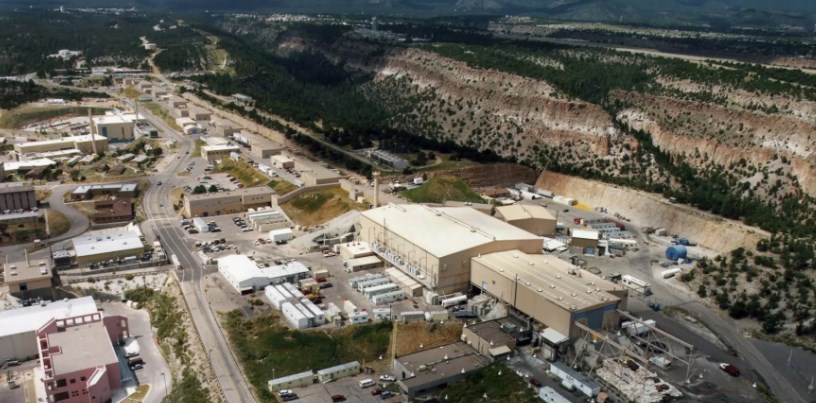
These disagreements are reflected in New Mexico because the state hosts institutions directly involved in the nuclear weapons enterprise. National policy decisions can translate into local construction projects, laboratory budgets, employment opportunities, and changes in the scale of research and production. For residents, international security debates therefore have practical consequences close to home.
The documentary encourages audiences to consider what national security means and how its costs should be measured. Military deterrence is often discussed in terms of strategic stability and the prevention of war. Yet the human and environmental consequences of developing and maintaining nuclear weapons also deserve consideration when policymakers decide how to allocate public resources. New documentary explores tension in New Mexico over nuclear weapons
There are no easy answers. Reducing nuclear capabilities without considering international security conditions could create new challenges, while expanding weapons programs without examining their long-term consequences could deepen existing concerns. A serious discussion must account for both the security arguments made by supporters and the ethical, environmental, and economic questions raised by critics.
Public understanding is especially important because decisions about nuclear weapons are often made through complex government processes that can seem distant from everyday life. Documentaries can help make these debates more accessible by showing how policy affects real communities and by encouraging viewers to examine the evidence behind competing claims.
Why This Story Matters Beyond New Mexico
Although the documentary focuses on New Mexico, the issues it explores have national and international significance. Nuclear weapons remain among the most consequential technologies ever developed, with implications for warfare, diplomacy, environmental protection, public spending, and the future of global security.
The state’s experience demonstrates how the consequences of major national decisions can become concentrated in particular communities. A government may justify nuclear programs through national defense, but the facilities, workers, and environmental responsibilities associated with those programs exist in specific places. Residents must live with the consequences long after political leaders and public attention move elsewhere.
The story also highlights the importance of listening to people whose experiences are often overlooked in national debates. Laboratory workers, local business owners, environmental advocates, Indigenous leaders, and families affected by historical contamination may approach the issue from different perspectives. Their voices help reveal the complexity behind a subject that is frequently reduced to arguments about military strength or disarmament.
For younger generations, the documentary may also encourage questions about what kind of future New Mexico should pursue. The state can continue playing a major role in national security research while examining environmental responsibilities and exploring opportunities to diversify its economy. Whether that balance is possible will depend on political decisions, public investment, scientific research, and the willingness of institutions to engage with local concerns. New documentary explores tension in New Mexico over nuclear weapons
In the end, the documentary’s importance lies in its effort to bring these competing realities into the same conversation. New Mexico’s nuclear history includes scientific breakthroughs, economic opportunities, military strategy, and painful questions about environmental justice. Ignoring any one of these elements would provide an incomplete picture of the state’s relationship with nuclear weapons.
The debate is unlikely to disappear soon. As the United States considers the future of its nuclear arsenal, New Mexico will remain an important part of that discussion. By exploring the tensions experienced by the people who live and work there, the film reminds viewers that nuclear policy is never only about weapons or international politics. It is also about communities, accountability, and the choices societies make when balancing security against the risks they are willing to accept.
About the Author