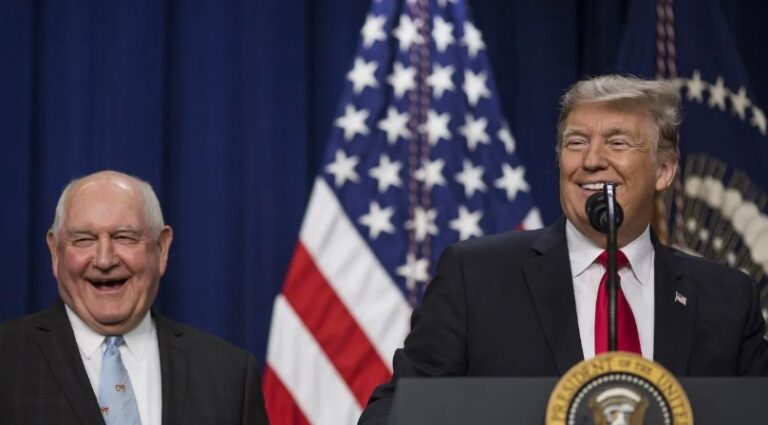
LA parks see dramatic drop in visitors amid Trump ICE raids, study finds summaries – Los Angeles parks, once popular gathering places for families looking to enjoy sunny weekends, outdoor activities, and time with loved ones, have experienced a significant decline in visitors following the Trump administration’s immigration enforcement operations. A new study from researchers at the University of California, Los Angeles (UCLA) and the University of California, Berkeley, suggests that fear surrounding Immigration and Customs Enforcement (ICE) raids has changed how many residents interact with public spaces.
The findings reveal a troubling pattern: thousands of families appear to have stopped visiting some of Los Angeles County’s most popular regional parks since the immigration enforcement surge began in the summer of 2025. Even more concerning, attendance has not returned to previous levels more than a year later. The decline has been particularly noticeable in areas with large Latino populations, raising questions about how immigration policies affect everyday community life beyond the people directly targeted by enforcement actions.
The research highlights how fear can influence ordinary decisions, including whether parents feel comfortable taking their children to a playground, organizing a family barbecue, or spending an afternoon outdoors. What should be simple recreational activities have become more complicated for some residents concerned about encountering immigration officers.
New Study Reveals a Significant Decline in Park Visitors
The research, published by UCLA’s Latino Policy and Politics Institute in collaboration with UC Berkeley’s Latinx Research Center, examined vehicle entry records from six major Los Angeles County regional parks. Researchers compared attendance across 12 summer weekends in 2024, 2025, and 2026 to understand how visitation patterns changed following the immigration enforcement surge.
The results were striking. During the summer of 2025, approximately 21,000 fewer vehicles entered the six parks compared with the same weekends in 2024. That represented a 17% decline in vehicle entries. Assuming an average of four people per vehicle, researchers estimated that approximately 83,000 fewer people visited the parks during those summer weekends.
The situation did not improve significantly in 2026. Although vehicle entries increased slightly compared with the previous summer, attendance remained approximately 14% below 2024 levels. Researchers estimated that another 68,000 visitors were missing from the parks compared with the summer before the enforcement surge.
Combined, the findings suggest that Los Angeles County experienced approximately 151,000 fewer weekend park visits across the two summers than it might have expected if attendance had remained at 2024 levels. These figures offer a powerful indication of how immigration enforcement can influence public behavior across entire communities.
Latino Neighborhoods Experienced the Sharpest Declines
Although attendance decreased across several locations, the impact was not evenly distributed. Parks located near predominantly Latino communities experienced some of the most dramatic drops. Santa Fe Dam Recreation Area and Whittier Narrows Recreation Area recorded particularly significant declines. Both parks serve communities with substantial Latino populations, making the findings especially important when examining the broader social effects of immigration enforcement.
Santa Fe Dam experienced approximately 8,510 fewer vehicle entries during the summer of 2025, representing a 30% decrease compared with 2024. Whittier Narrows recorded approximately 7,070 fewer vehicle entries, a decline of 23%. These are not small changes for public recreational spaces that depend on regular community participation. Thousands of families who might ordinarily spend weekends swimming, fishing, enjoying outdoor activities, or celebrating special occasions were apparently staying away.
Researchers also identified declines at Bonelli Regional Park and Castaic Lake. Bonelli experienced approximately 5,925 fewer vehicle entries, while Castaic recorded a reduction of around 2,643 entries during the available comparison weekends.
Meanwhile, two parks experienced modest increases. Schabarum Regional County Park recorded a 19% increase in vehicle entries, while Kenneth Hahn State Recreation Area experienced a 14% increase. However, those gains were not enough to offset the larger losses elsewhere. Overall, the six parks continued to experience a substantial decline in attendance.
Fear of ICE Raids Is Changing Everyday Family Activities
One of the most important aspects of the research is what the numbers suggest about the relationship between immigration enforcement and people’s sense of security. Parks are generally considered welcoming public spaces. Families visit them to exercise, enjoy nature, celebrate birthdays, organize gatherings, and give children opportunities to play outside. They are also among the more affordable recreational options available to residents dealing with the high cost of living in Los Angeles.
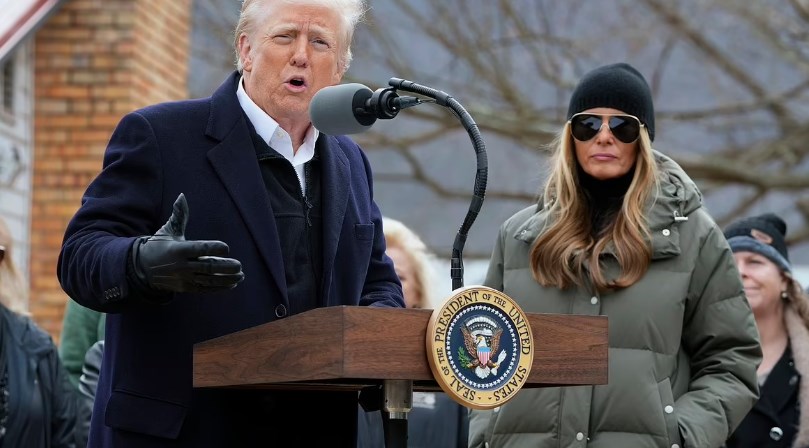
However, heightened immigration enforcement can change how people view these everyday destinations. The Trump administration’s immigration operations in Los Angeles attracted considerable attention in June 2025. Federal agents conducted enforcement activities in different parts of the region, while protests and the deployment of National Guard personnel added to the tense atmosphere.
For some immigrant families, the uncertainty surrounding these operations created concerns about traveling through public spaces or attending community events. Those concerns may also extend to U.S. citizens and other residents who worry about racial profiling or the possibility that someone in their family could be detained. G. Cristina Mora, a co-author of the research and co-director of UC Berkeley’s Institute of Governmental Studies, emphasized that parks play an important role in community health and family relationships.
The researchers argue that immigration crackdowns have effectively discouraged some families from using public spaces that are intended to serve everyone. This means the consequences extend beyond immigration enforcement itself, potentially affecting recreation, social connections, and emotional well-being. LA parks see dramatic drop in visitors amid Trump ICE raids
Declining Attendance Could Also Hurt Local Park Revenue
The reduction in visitors has consequences for more than families looking for affordable weekend activities. It also creates financial challenges for Los Angeles County’s parks system. The six parks included in the research charge vehicle entry fees, averaging approximately $10 per vehicle based on the 2024 fee structure. Fewer vehicles naturally mean less money collected at park entrances.
Researchers estimated that if attendance had remained at 2024 levels, Los Angeles County could have collected approximately $210,000 in additional entry fees during the summer of 2025. The comparable estimate for summer 2026 was approximately $170,000.
Together, the estimated lost revenue reached roughly $380,000 across the two summers. While those figures represent only a portion of the parks department’s overall finances, they demonstrate how changes in public behavior can create unexpected financial consequences. Lower attendance could also affect spending on recreational services and other activities associated with park visits.
The researchers noted that the estimates do not include additional revenue from services such as boating and watercraft rentals. They also focused on weekend vehicle entries rather than every person visiting the parks throughout the year.
Why the Decline Has Continued Into 2026
Perhaps the most concerning finding is that attendance has not returned to normal despite the passage of more than a year since the initial enforcement surge. Researchers found that summer 2026 vehicle entries increased by only 4% compared with 2025. That modest improvement still left attendance approximately 14% below the summer 2024 baseline.
Several factors could help explain why the recovery has been so slow. Continued immigration enforcement activity may have maintained anxiety among affected communities. Families who changed their routines during the initial raids may also have become more cautious about visiting public places. However, the researchers acknowledged that immigration enforcement is not necessarily the only explanation. Changes in park entrance fees, seasonal differences, and temporary park closures could also have influenced attendance.
For example, vehicle entry fees increased by approximately $3 at most parks in August 2025. Bonelli and Castaic also experienced closures that affected certain comparisons. These factors are important because the study examines changes in attendance that coincided with the immigration enforcement surge rather than proving that ICE operations alone caused every missed visit. Nevertheless, the continued decline, particularly around predominantly Latino neighborhoods, provides evidence of a wider disruption in community participation. LA parks see dramatic drop in visitors amid Trump ICE raids
What the Findings Mean for Los Angeles Communities
The research raises an important question about the broader purpose of public spaces. Parks are not simply places with playgrounds, walking trails, lakes, and picnic areas. They are essential parts of community life, providing opportunities for people from different backgrounds to spend time together. When families become reluctant to visit these places, the consequences can extend into physical health, mental well-being, children’s recreational opportunities, and neighborhood relationships. LA parks see dramatic drop in visitors amid Trump ICE raids
For many residents, a weekend trip to a regional park is one of the simplest ways to escape crowded homes, relax outdoors, and reconnect with relatives. Losing that opportunity can make an already stressful environment even more difficult. The findings also suggest that immigration enforcement can influence people who are not directly involved in any enforcement action. Fear and uncertainty can spread through neighborhoods, affecting how residents travel, shop, work, attend school, and participate in public life.
Ultimately, the UCLA and UC Berkeley research offers a sobering picture of how national immigration policies can reshape ordinary experiences at the local level. The decline in Los Angeles park attendance is not merely a statistic about fewer cars entering recreational areas. It reflects a broader concern about whether families feel safe enough to enjoy spaces that belong to the public.
As Los Angeles continues to deal with the effects of expanded immigration enforcement, restoring confidence in public spaces may become an important challenge for local communities and policymakers. For now, the numbers show that many families have yet to return to the parks they once enjoyed, demonstrating that the consequences of heightened enforcement can last long after the initial headlines fade.
About the Author