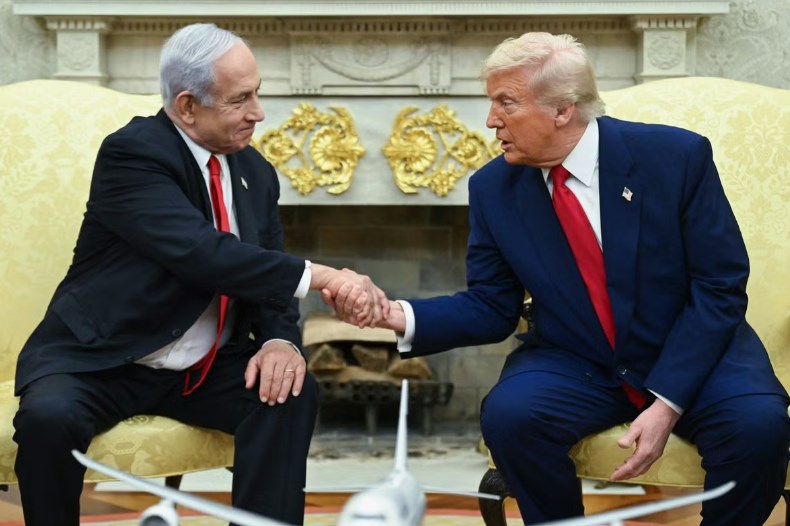
Trump endorses Benjamin Netanyahu days before Israel election – Donald Trump’s endorsement of Israeli Prime Minister Benjamin Netanyahu just days before Israel’s election has added another layer of political drama to an already closely watched contest. The endorsement highlights the long-standing relationship between the two leaders and underscores how American politics and Israeli domestic affairs often overlap, particularly when questions of security, diplomacy, and leadership are at the center of public debate.
For Netanyahu, support from Trump carries political and symbolic significance. The two leaders have maintained a close relationship over the years, frequently emphasizing their shared positions on Israel’s security and their approach to regional challenges. Trump’s public backing could help Netanyahu reinforce his image as a leader with influential international allies. However, whether that support translates into votes remains uncertain, as Israeli voters will ultimately make their decisions based on their own priorities and expectations for the country’s future.
Trump’s Endorsement Adds Pressure to an Already Competitive Election
An endorsement from a prominent foreign leader can become a major talking point during an election, especially when the candidate involved has a long history of working with that individual. Trump’s support for Netanyahu brings international attention to Israel’s political contest and gives the prime minister another opportunity to highlight his relationships with influential figures abroad.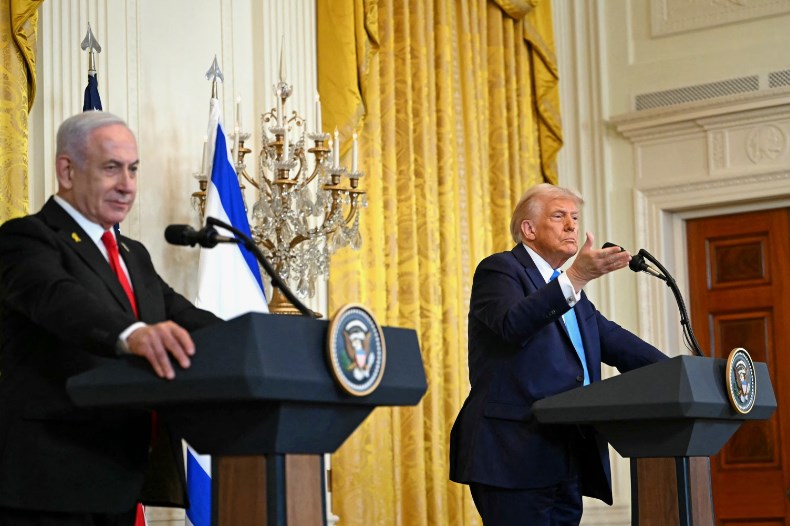
Trump has repeatedly presented his relationship with Netanyahu as an example of his commitment to Israel. Their political partnership has been associated with cooperation on security matters, strong rhetoric against Iran, and policies intended to strengthen Israel’s position internationally. By publicly endorsing Netanyahu shortly before the election, Trump is reinforcing that familiar message at a moment when every political statement can attract additional scrutiny.
Still, endorsements do not automatically determine election results. Israeli voters represent a diverse electorate with different views on security, the economy, public services, religion, and the country’s political direction. Some may welcome Trump’s support as evidence that Netanyahu can maintain important international partnerships. Others may consider the endorsement less important than the challenges they experience in their daily lives.
The timing makes the announcement particularly significant. An endorsement delivered well before an election can gradually become part of the political conversation, but one issued only days before voting has less time to influence public opinion. It can nevertheless energize supporters, dominate news coverage, and encourage undecided voters to reconsider how they view a candidate’s international standing.
A Political Relationship Built on Shared Priorities
Trump and Netanyahu have developed a relationship that extends beyond ordinary diplomatic cooperation. Both leaders have often emphasized national security, criticized Iran’s regional influence, and presented their partnership as an important element of the broader US-Israel relationship.
During Trump’s first presidency, his administration pursued several policies welcomed by Netanyahu and many of his supporters. These included recognizing Jerusalem as Israel’s capital, moving the US Embassy there, recognizing Israeli sovereignty over the Golan Heights, and supporting the Abraham Accords, which established diplomatic relations between Israel and several Arab countries.
Those decisions became important parts of Netanyahu’s political messaging. They allowed him to argue that his leadership had strengthened Israel’s international position and secured support from Washington on issues that had long been central to Israeli politics. Trump, meanwhile, presented his approach as a departure from traditional diplomatic policies and emphasized his administration’s willingness to take actions that previous governments had avoided. Trump endorses Benjamin Netanyahu days before Israel election
Their relationship has also included disagreements and periods of tension. Political alliances between national leaders are rarely completely free of competing interests, and the United States and Israel do not always share identical priorities. Nevertheless, the personal and political connection between Trump and Netanyahu has remained an influential feature of discussions about the two countries’ relationship.
The latest endorsement draws attention to that history. By supporting Netanyahu publicly, Trump is signaling that he continues to view the Israeli prime minister as a preferred partner. For Netanyahu, the message offers an opportunity to remind voters that his leadership has cultivated relationships with powerful figures who can influence international diplomacy.
Why Trump Waited Until the Final Days
One of the most notable aspects of Trump’s announcement is its timing. For months, the US president had avoided explicitly endorsing Netanyahu, even as the Israeli prime minister sought to make his relationship with Trump a central part of his political campaign. The hesitation raised questions about whether the two leaders remained as closely aligned as they had appeared during earlier periods of cooperation.
The uncertainty was not entirely without reason. Although the two leaders have shared many political goals, their approaches to the conflicts involving Iran and Gaza have not always matched. Differences over military strategy, ceasefire proposals, and the future direction of regional diplomacy have created moments of tension. Trump had previously refrained from committing himself to Netanyahu’s reelection, making his latest statement a notable change in tone.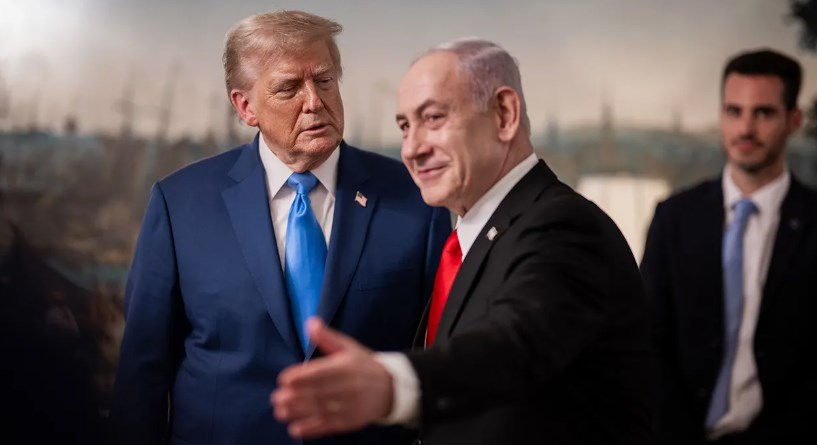
According to reporting published on October 18, 2026, Trump announced his endorsement on Truth Social, describing Netanyahu as a strong wartime leader and a valuable partner in confronting Iran. He also suggested that another Israeli leader might leave the United States to handle the Iranian threat without the same level of cooperation.
The decision to speak out so close to election day may reflect a desire to make America’s preferred direction clear before Israeli voters head to the polls. It also gives Netanyahu a fresh campaign message at a time when he faces substantial political challenges. Nevertheless, the endorsement does not guarantee a victory, and the decision to support Netanyahu publicly could also draw attention to the disagreements that preceded it.
Iran, Gaza, and the Issues Shaping Israeli Voters’ Decisions
Israel’s election takes place against the backdrop of extraordinary security and diplomatic challenges. The October 7, 2023, Hamas attack and the wars that followed have shaped national discussions about military preparedness, political accountability, and the country’s long-term security. For many voters, the central question is whether the current leadership has made Israel safer and whether its policies offer a credible path toward stability.
Iran has become another major issue. Trump has repeatedly portrayed Netanyahu as a crucial partner in confronting Tehran, presenting cooperation between Washington and Jerusalem as essential to their shared security interests. This framing supports Netanyahu’s argument that his experience and international relationships are important advantages at a time of regional uncertainty.
However, not every Israeli agrees with the government’s approach. Critics have questioned the results of military operations, the handling of security failures, and the political decisions made throughout the prolonged conflicts. Concerns about the government’s treatment of Palestinians, conditions in Gaza, and violence involving Israeli settlers in the occupied West Bank have also contributed to domestic and international criticism. Trump endorses Benjamin Netanyahu days before Israel election
These competing concerns make the election more complicated than a simple choice between candidates with different foreign-policy positions. Voters must also weigh the economy, the functioning of public institutions, military service obligations, and the future of Israel’s political system. Trump’s endorsement may strengthen Netanyahu’s security-focused message, but it cannot resolve these questions for voters or replace their own assessment of the government’s record.
What the Endorsement Could Mean for Netanyahu’s Campaign
For Netanyahu, Trump’s support offers a valuable opportunity to highlight his international relationships during a difficult campaign. The Israeli prime minister has frequently argued that close ties with the US president can help advance Israeli interests and strengthen cooperation on matters of national security. Trump’s latest statement gives Netanyahu fresh material to support that argument. Trump endorses Benjamin Netanyahu days before Israel election
The political stakes are considerable. Israel’s October 27 election is expected to be competitive, and pre-election polling has indicated that Netanyahu’s coalition could struggle to secure the 61 seats required for a parliamentary majority. That uncertainty makes every potential source of political momentum important, although polling projections do not determine the final outcome.
Trump remains a prominent figure in Israeli public debate, and his endorsement could encourage some Netanyahu supporters who value the relationship between the two countries. It may also help the prime minister present himself as the candidate best positioned to maintain close cooperation with Washington. For voters who prioritize Iran and other security threats, that message could carry particular weight.
At the same time, the endorsement could have limited influence among voters who are dissatisfied with Netanyahu’s leadership or believe the country needs a change in direction. Some may view foreign support positively, while others may prefer to judge the prime minister on domestic issues and the consequences of government decisions. Ultimately, the effect of Trump’s intervention will depend on how Israeli voters interpret it in the context of their own concerns.
Netanyahu Responds as His Rival Defends Voters’ Right to Choose
Netanyahu responded warmly to Trump’s endorsement, thanking the American president for his support and emphasizing the importance of their cooperation. His campaign quickly highlighted the relationship, using footage of the two leaders together to reinforce the message that Netanyahu has a trusted partner in Washington. The response showed how central the US-Israel relationship remains to his political strategy.
However, Netanyahu’s main rival, former Israeli military chief Gadi Eisenkot, pushed back against the idea that Trump’s preference should determine Israel’s political future. Eisenkot said he respected the American president and appreciated his contributions to Israel, while stressing that Israeli citizens—not foreign leaders—would decide who should lead their country. His response attempted to acknowledge the importance of the alliance without allowing the endorsement to dominate the domestic election debate.
The exchange captures a broader tension in the relationship between international alliances and national democracy. Support from Washington can be valuable, especially for a country facing serious security challenges. Yet Israeli voters may also be wary of the implications of a foreign president openly suggesting that only one candidate can provide the partnership America wants.
There is also a practical question about what happens after election day. Even if Netanyahu benefits from Trump’s intervention, he must still secure enough parliamentary support to form a government. If the election produces a fragmented Knesset, negotiations among political parties could prove just as important as the campaign itself. Trump’s endorsement may influence the political atmosphere, but it cannot guarantee that Netanyahu will be able to govern.
What Happens Next?
As Israel approaches its October 27 election, Trump’s endorsement has become an important development in a campaign shaped by war, security concerns, political accountability, and uncertainty about the country’s future. The announcement reinforces the personal relationship between Trump and Netanyahu while reminding voters that the outcome could affect the direction of US-Israel cooperation, particularly regarding Iran.
For Netanyahu, the immediate advantage is clear: he can point to the support of a powerful ally at a moment when his political future is uncertain. For Trump, the endorsement signals a preference for continuity in Israel’s leadership and a desire to maintain cooperation with a partner he considers important to American security interests.
Still, the consequences remain difficult to predict. Some voters may see the endorsement as reassuring, while others may regard it as an unnecessary intervention in Israel’s domestic affairs. The country’s political divisions, security concerns, and disagreements over the government’s record will continue to shape the campaign regardless of Trump’s public support.
Ultimately, the Israeli election will be decided by Israeli voters and the parliamentary arithmetic that follows. Trump’s endorsement could provide Netanyahu with a late boost, but it cannot erase the challenges facing his government or guarantee another term in office. The result will offer a clearer indication of whether voters want to continue with Netanyahu’s leadership or pursue a different political direction—and whether the close partnership between Trump and Netanyahu will remain a defining feature of relations between the United States and Israel.
About the Author