America’s Hybrid Hype Has Hit the Used Market – America’s love affair with hybrid vehicles is no longer limited to new-car showrooms. As fuel prices, environmental concerns, and changing driving habits continue to influence purchasing decisions, hybrid technology is making a stronger impression on the used-car market. Vehicles that once seemed like an expensive alternative to traditional gasoline-powered cars are becoming increasingly attractive to budget-conscious drivers looking for better fuel economy without sacrificing everyday convenience.
The growing interest in hybrids reflects a broader shift in how Americans think about transportation. For years, shoppers largely focused on conventional gasoline vehicles because they were familiar, widely available, and relatively affordable. Electric vehicles later attracted attention as battery technology improved, but charging infrastructure, purchase prices, and range concerns kept some drivers from making the switch. Hybrids offer a middle ground, combining a gasoline engine with an electric motor to improve efficiency without requiring drivers to plug in. America’s Hybrid Hype Has Hit the Used Market
Now, as more hybrid vehicles return to dealerships and independent used-car lots, buyers have a wider range of options to consider. Models that previously carried premium price tags are gradually becoming accessible to people shopping with tighter budgets. However, the increasing popularity of used hybrids also raises important questions about battery health, long-term maintenance, resale values, and whether the fuel savings justify the purchase price.
Why Hybrid Vehicles Are Gaining Attention in the Used-Car Market
One of the biggest reasons hybrids are attracting attention is their potential to reduce fuel expenses. With many households facing pressure from housing costs, insurance premiums, and everyday necessities, saving money at the gas station can make a meaningful difference. Hybrid vehicles typically use less fuel than comparable gasoline-only models, particularly during stop-and-go city driving, where regenerative braking and electric assistance can improve efficiency.
For drivers who spend considerable time commuting, the savings can become noticeable over several years of ownership. Instead of paying for gasoline as frequently, hybrid owners may enjoy longer distances between fill-ups. The actual benefit depends on the vehicle, driving conditions, fuel prices, and individual habits, but the possibility of reducing operating costs is a major attraction for shoppers exploring the used market. America’s Hybrid Hype Has Hit the Used Market
Another important factor is the growing supply of previously owned hybrid vehicles. As more Americans purchase hybrids, trade in older models, or replace their vehicles with newer alternatives, additional inventory becomes available. Buyers who could not justify paying the full price of a new hybrid may now find older versions of popular sedans, hatchbacks, and SUVs within reach.
The Toyota Prius and Toyota Camry Hybrid, along with the Honda Accord Hybrid and Honda Insight, have helped establish hybrids as practical everyday vehicles. Their presence in the used market gives shoppers an opportunity to compare different body styles, equipment levels, and price points. Some buyers prioritize maximum fuel efficiency, while others want a comfortable family vehicle that delivers better mileage than a conventional SUV.
Falling Used-Car Prices Could Make Hybrids More Accessible
Affordability remains one of the most important considerations for anyone shopping for a used vehicle. Although hybrid models can command a premium over comparable gasoline-powered cars, depreciation may eventually narrow the price difference. As vehicles age and newer generations arrive, shoppers gain opportunities to purchase technology that was once reserved for buyers with larger budgets.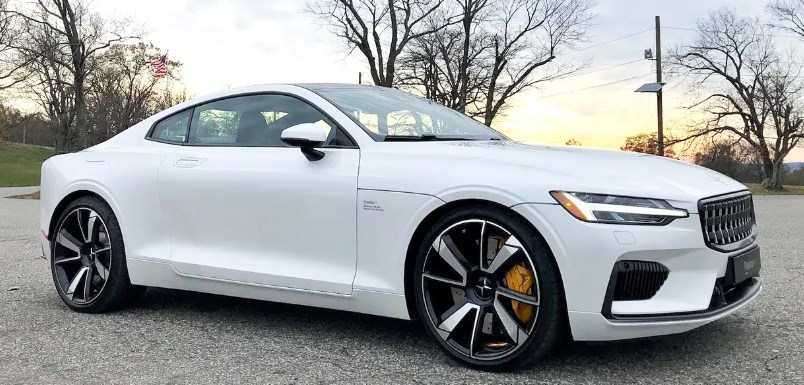
However, the used-car market does not treat every hybrid equally. Certain models retain their value because of their reputation for reliability, strong fuel economy, and relatively low ownership costs. Popular Toyota and Honda hybrids, for example, may remain more expensive than competing vehicles with similar ages and mileage. In those cases, buyers must decide whether the additional upfront cost is justified by anticipated fuel savings and long-term dependability.
Less expensive hybrids can also be appealing, but a low asking price should not automatically be considered a bargain. A vehicle with a questionable maintenance history, substantial mileage, accident damage, or an aging battery could eventually cost more than a better-maintained alternative. Comparing prices without considering the vehicle’s overall condition can lead shoppers to underestimate the true cost of ownership. America’s Hybrid Hype Has Hit the Used Market
Financing adds another layer to the decision. Interest rates, loan terms, insurance costs, and taxes can affect the final amount paid for a vehicle. Buyers should evaluate the complete monthly expense rather than focusing exclusively on the advertised price or estimated fuel economy. A reasonably priced hybrid that fits a household’s budget may offer better value than a newer model with expensive financing.
Battery Health and Maintenance Are Major Buying Considerations
Despite their advantages, used hybrids require careful evaluation before purchase. The high-voltage battery is one of the most important components because it helps power the electric motor and supports the vehicle’s fuel-saving technology. Unlike a conventional car battery, which is relatively inexpensive to replace, a hybrid battery can involve a substantial repair bill depending on the model, parts availability, and labor costs. America’s Hybrid Hype Has Hit the Used Market
That does not mean every used hybrid is approaching battery failure. Many hybrid batteries operate reliably for years, and some vehicles accumulate substantial mileage without requiring replacement. Nevertheless, battery condition can vary according to age, climate, usage, maintenance, and the vehicle’s particular design. A used hybrid with a documented service history may offer greater confidence than a similar model with incomplete records.
Before purchasing, buyers should arrange an inspection with a mechanic who understands hybrid systems. A proper assessment can include diagnostic scans, an examination of battery performance, checks for warning lights, and an evaluation of the gasoline engine, transmission, brakes, and cooling systems. The inspection should also identify any outstanding recalls or previous repairs that could affect reliability.
Maintenance requirements differ from those of conventional vehicles, but hybrids are not necessarily more expensive to maintain in every respect. Regenerative braking can reduce wear on conventional brake components, while the gasoline engine still requires routine servicing. Tires, suspension components, fluids, and other parts also need attention. Buyers should research the specific model rather than assuming every hybrid will have identical maintenance costs.
Warranty coverage deserves attention as well. Depending on the vehicle’s age, mileage, original warranty, and applicable regulations, some hybrid battery or component coverage may remain. Buyers should verify coverage directly instead of assuming that a used vehicle automatically qualifies.
Hybrids Offer a Practical Alternative to Fully Electric Cars
The growing used-hybrid market also highlights the differences between hybrid vehicles and fully electric cars. Although both technologies can reduce gasoline consumption or eliminate it entirely, they serve different needs.
Traditional hybrids use gasoline engines alongside electric motors and generally recharge their batteries through regenerative braking and engine operation. Drivers do not need to connect them to an external charging station. This makes them particularly convenient for people who live in apartments, park on the street, or lack access to home charging.
Plug-in hybrids offer another option. They have larger batteries that can be charged externally, allowing some trips to be completed primarily on electricity. When the battery’s available electric range is exhausted, the gasoline engine can provide additional driving capability. However, plug-in hybrids tend to have more complex systems, and their benefits depend partly on whether owners regularly charge them.
Fully electric vehicles eliminate gasoline use during driving, but ownership can require more planning around charging access, travel distances, and charging times. Used electric vehicles may also offer compelling value, although battery condition and remaining range deserve careful attention.
For many households, hybrids provide a straightforward transition toward more efficient transportation. They preserve the familiarity of gasoline refueling while introducing electric assistance that reduces fuel consumption. Drivers can benefit from improved efficiency without making major changes to their daily routines.
What the Future Holds for America’s Used Hybrid Market
The future of used hybrids will depend on several factors, including new-vehicle sales, fuel prices, consumer confidence, battery technology, and the availability of affordable alternatives. As more hybrids enter the market, shoppers may benefit from greater selection across different price ranges and vehicle categories.
Automakers are also continuing to develop hybrid systems for sedans, SUVs, and pickup trucks. As these vehicles age, they will gradually expand the pool of secondhand options. This could be particularly important for families seeking efficient vehicles with more passenger space, as well as commuters who want to lower their fuel expenses without moving to a fully electric car.
At the same time, buyers should avoid assuming that every hybrid is automatically a better deal. A conventional gasoline vehicle with a significantly lower purchase price may still make financial sense for someone who drives relatively few miles each year. Meanwhile, drivers covering long distances in heavy traffic may benefit more substantially from hybrid efficiency.
The smartest approach is to calculate expected fuel savings, compare insurance and maintenance expenses, investigate battery condition, and obtain an independent inspection before committing to a purchase. Looking at several years of ownership rather than just the initial price can help buyers determine whether a particular hybrid represents genuine value.
Ultimately, America’s hybrid enthusiasm is becoming increasingly visible in the used-car market because the technology addresses a practical concern: how to keep driving costs manageable without giving up convenience. For shoppers willing to research their options carefully, a used hybrid can deliver a useful combination of fuel efficiency, everyday comfort, and familiar operation.
The excitement surrounding hybrids is no longer exclusively about the newest technology or the latest showroom models. It is increasingly about making that technology affordable for ordinary drivers. As more vehicles become available and buyers grow more comfortable evaluating hybrid ownership, the used market could play an important role in bringing fuel-efficient transportation to a wider range of American households.
About the Author