Trump speaks before world leaders at the UN General Assembly
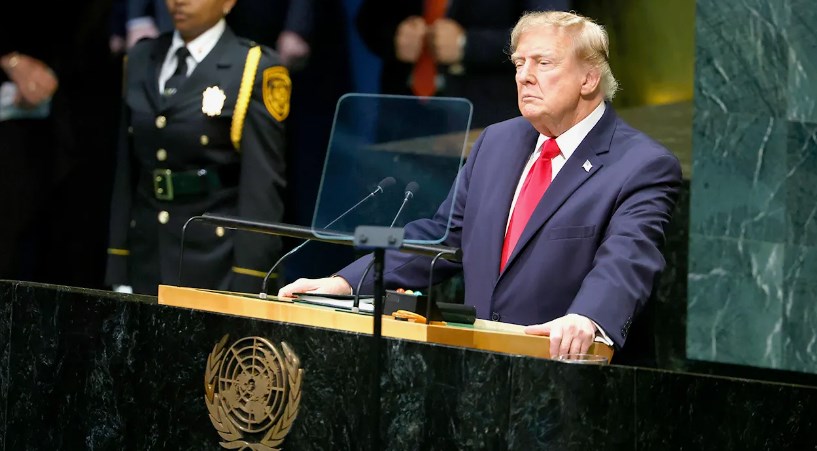
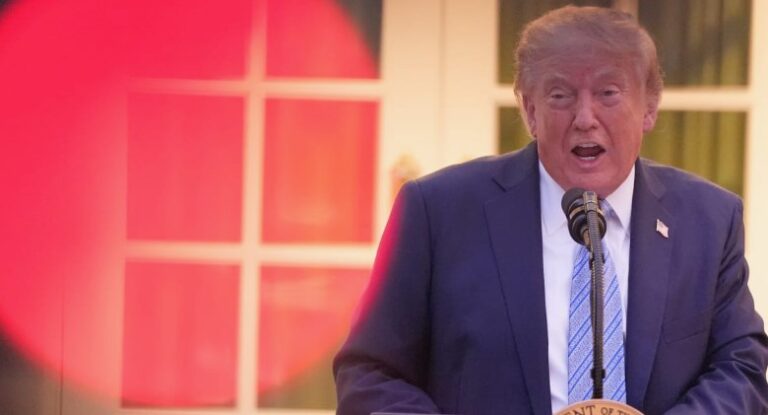
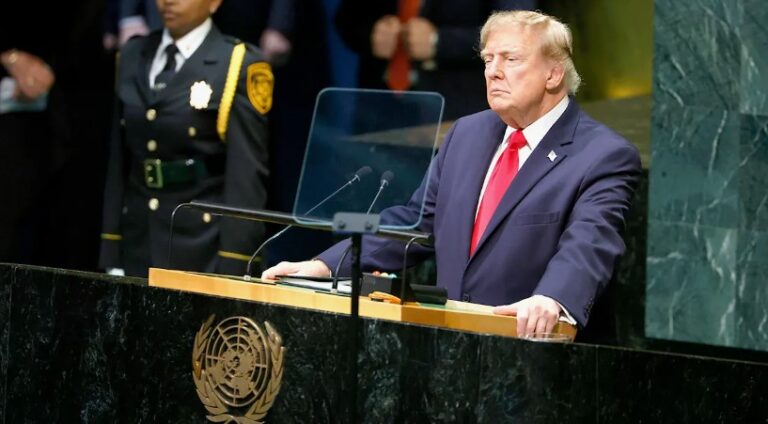
Trump speaks before world leaders at the UN General Assembly – The United Nations General Assembly has always been a stage where national leaders try to explain their countries to the rest of the world. On September 22, 2026, that stage once again belonged to President Donald Trump, who addressed world leaders in New York at a moment marked by war, diplomatic uncertainty and growing questions about the future role of international institutions.
Trump’s appearance came during the 81st session of the General Assembly, whose general debate is being held from September 22 through September 28. His speech was closely watched because the international environment surrounding the United States has changed dramatically since his previous appearances at the UN. Trump speaks before world leaders at the UN General Assembly
This year’s gathering is taking place while the war involving Iran approaches its seventh month, the conflict in Ukraine continues, tensions remain high across the Middle East, and governments are wrestling with the rapidly expanding influence of artificial intelligence. Rather than delivering a speech focused only on traditional diplomacy, Trump used the UN platform to defend his administration’s approach to international security and to present his view of America’s position in the world.
Trump Defends the Iran War
One of the most important parts of Trump’s address was his defense of the decision to launch military action against Iran. According to Reuters, Trump argued that the war prevented Tehran from obtaining a nuclear weapon. His administration has presented the conflict as part of a broader effort to protect American and allied security interests. That argument comes at an especially sensitive moment. The war has created enormous regional uncertainty, while the strategic Strait of Hormuz has become a major focus of international attention. Iran has indicated that it could reopen the waterway within seven days if the United States eases military pressure and lifts its blockade of Iranian ports.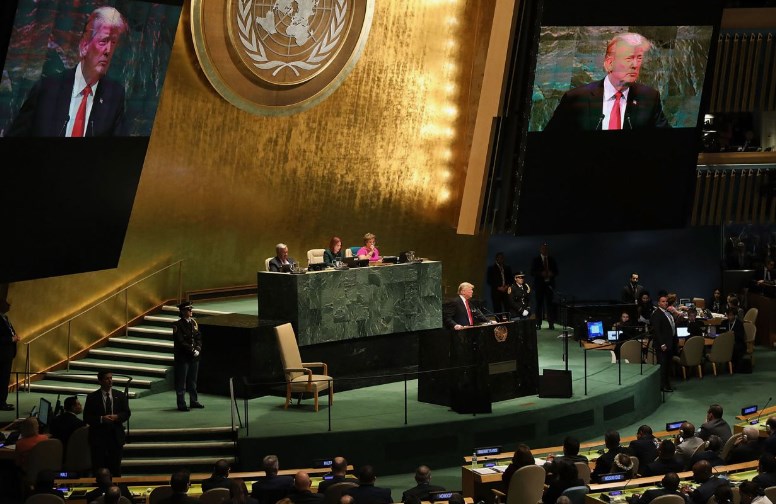
The Strait matters far beyond the countries directly involved in the conflict. It is one of the world’s most important energy routes, meaning that any prolonged disruption can affect fuel prices, shipping costs and economies far beyond the Middle East. Recent signs of a possible diplomatic opening helped push oil prices lower on Tuesday. Trump’s message at the UN therefore arrived at a complicated intersection of military power and diplomacy. He defended the use of American force while the international community continued searching for a path that could eventually reduce the fighting.
A Different Message About the United Nations
Trump has never been an uncomplicated supporter of multilateral institutions, and his 2026 appearance continued that pattern. Reuters reported that Trump criticized the United Nations and other international bodies, arguing that they have intruded on American sovereignty and promoted what he described as a left-wing agenda. That criticism is significant because the UN itself is facing a broader debate about its relevance. Secretary-General Antonio Guterres, delivering what Reuters described as his final General Assembly address before leaving office at the end of 2026, called for stronger international cooperation on artificial intelligence, conflicts and climate change. He also argued that existing international institutions need reform. Trump speaks before world leaders at the UN General Assembly
The contrast is striking. While the UN leadership is emphasizing cooperation among countries, Trump’s approach puts greater emphasis on national power, sovereignty and direct action. Neither message exists in isolation. Countries increasingly depend on one another for trade, security, energy and technology, yet governments are also becoming more protective of their national interests. The General Assembly provides a rare place where those competing ideas are visible at the same time.
Trump and the Search for Peace
Trump’s supporters have often pointed to his willingness to negotiate directly with other governments as a defining element of his foreign-policy approach. During his UN visit, he was scheduled to hold meetings with numerous foreign leaders, including officials from Britain, Ukraine, Venezuela, Denmark, Greenland and several Gulf states. The timing of those meetings is important. Iranian President Masoud Pezeshkian is also attending the General Assembly, and Iranian officials have indicated that their delegation has authority to pursue negotiations. Iran has proposed reopening the Strait of Hormuz if the United States reduces military pressure and lifts its blockade.
There is no planned Trump-Pezeshkian meeting, but the presence of both governments in New York creates an unusual diplomatic opportunity. Even when leaders do not sit across the same table, their representatives can communicate through intermediaries. Trump also said Tuesday that he believed the United States could reach a deal with Iran after the November midterm elections. That statement adds another layer to the diplomatic situation. It suggests that, despite the intensity of the military confrontation, negotiations remain part of the broader conversation.
Ukraine Remains on the Agenda
Iran was not the only war hanging over the General Assembly. The conflict in Ukraine remains one of the defining security challenges facing Europe, and Trump’s UN appearance occurred as world leaders continued to debate the future of the war and the possibility of a negotiated settlement. Reuters described Ukraine as one of the central issues surrounding Trump’s meetings in New York.
For European governments, the American position remains especially important because the United States continues to play a central role in Western security. Trump’s meetings with Ukrainian officials therefore matter beyond the immediate diplomatic headlines. They are part of a larger conversation about how the war might eventually end, what security arrangements could follow and what responsibilities European governments would assume.
The UN itself cannot simply impose a solution on the parties involved. But the General Assembly remains a place where governments can state their positions publicly and where private diplomatic discussions can happen alongside formal speeches.
AI Enters the Conversation
Another issue making this year’s UN gathering different is artificial intelligence. AI has moved from being primarily a technology-sector subject to becoming a national-security, economic and diplomatic issue. Governments are increasingly concerned about everything from automated weapons and misinformation to economic competition and the enormous amount of electricity required to operate advanced computing systems. Trump addressed AI during his appearance and said the U.S. government would use the term “super intelligence” instead of artificial intelligence in its documents. He also repeated his view that warnings about AI risks have been exaggerated.
That position contrasts with Guterres, who used his final General Assembly address to call for international oversight and a global framework for managing AI risks. The disagreement illustrates a broader question facing world leaders: should AI development primarily be driven by national governments and private companies, or should countries create stronger international rules governing the technology?. There is no simple answer, particularly because AI has both enormous potential benefits and serious risks.
The Question of America’s Role
Perhaps the most interesting part of Trump’s UN appearance is what it says about America’s role in the international system. The United States remains one of the world’s most powerful countries, but Trump’s approach places greater emphasis on direct American interests rather than traditional assumptions about multilateral cooperation. That approach is visible not only in his UN speech but also in his diplomatic schedule. Trump was expected to meet leaders from countries involved in some of the world’s most sensitive disputes, while his administration simultaneously pursued agreements involving security and military infrastructure. Trump speaks before world leaders at the UN General Assembly
One example is Greenland. Trump was expected to sign a trilateral agreement with Denmark and Greenland concerning an expanded American military presence on the Arctic island. Denmark has emphasized that Greenland remains sovereign and retains its right to self-determination, while the proposed agreement is intended to place Arctic security within a NATO framework. The episode illustrates how Trump’s foreign policy frequently combines pressure, negotiation and strategic interests.
A UN Gathering Reflecting a Divided World
Trump’s speech ultimately took place in a UN environment that reflects many of the world’s current contradictions. The organization is trying to promote international cooperation while major powers increasingly pursue their own strategic priorities. Countries want economic growth while dealing with wars that disrupt energy and trade. Governments want the benefits of artificial intelligence while debating how much regulation is necessary. Trump speaks before world leaders at the UN General Assembly
The 81st General Assembly itself began under the theme of restoring trust, managing transformation and making the United Nations more capable of delivering results. Trump’s appearance highlighted the other side of that debate: the belief that national governments should retain substantial freedom to act according to their own interests. For viewers around the world, the significance of his speech was therefore larger than any individual statement. It was another indication of how dramatically international politics has changed.
The UN remains a place where presidents and prime ministers gather to speak about peace, security and cooperation. But the conversations taking place in its halls increasingly reflect a world where military power, national sovereignty, technology and diplomacy are pulling in different directions. Trump’s address put those tensions directly in front of the world’s leaders. And as the General Assembly continues, the bigger question will be whether those competing interests can eventually produce meaningful negotiations—or whether the divisions on display in New York will continue to define international affairs.
About the Author