Got an Android Phone? Google Thinks You’ll Probably Want a Googlebook Laptop
Got an Android Phone? Google Thinks You’ll Probably Want a Googlebook Laptop – For years, Google has had a surprisingly simple strategy for getting people deeper into its ecosystem: give them a useful service on one device, then make the experience even better when they use another. Android phones, Google Photos, Google Drive, Chrome, Gmail, and countless other services already work together. Now, Google appears to be exploring another step in that strategy with the idea of a “Googlebook” laptop.
The name may sound like something from a Google product brainstorming session, but the idea behind it is much more interesting than the name itself. Google appears to be thinking about laptops that could provide a more seamless experience for Android users, potentially making the transition between a phone and a computer feel much more natural.
That matters because smartphones have become the center of everyday digital life. People store their photos on their phones, receive messages there, manage calendars, browse the web, watch videos, use banking apps, and increasingly rely on AI assistants. The laptop is still important, but the phone is often the device that comes first.
A Google-focused laptop could be designed around that reality.
From Chromebook to “Googlebook”
Google already has a laptop platform: ChromeOS, which powers Chromebooks from manufacturers such as Acer, ASUS, Lenovo, HP, and Samsung. Chromebooks have traditionally emphasized simplicity, affordability, cloud services, and easy access to web applications. The potential “Googlebook” concept appears to point toward something slightly different. Instead of simply being a laptop that runs ChromeOS, the idea could be a more deeply integrated computing experience built around Android and Google services.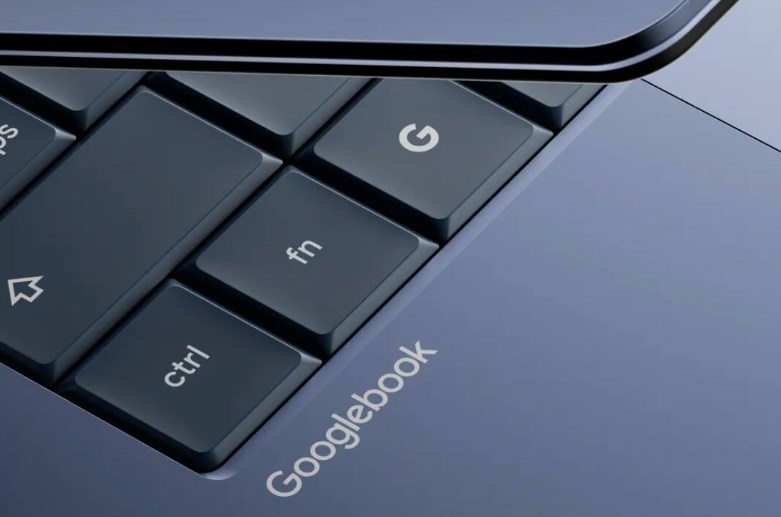
Imagine opening a laptop and immediately seeing your Android phone’s recent notifications. You could potentially continue working with files that were created on your phone, copy something on the smartphone and paste it onto the laptop, or respond to messages without constantly reaching for the handset.
Some of these capabilities already exist in Google’s ecosystem. Phone Hub, for example, allows supported Android phones and Chromebooks to work together in useful ways. The opportunity now is to make that relationship feel less like a collection of features and more like one connected product experience. That’s where the “Googlebook” idea becomes interesting. Rather than asking consumers to think about whether they are buying a Chromebook or another type of laptop, Google could position the computer as the natural companion to an Android phone.
Why Android Users Could Be the Target Audience
The biggest advantage Google has is the enormous Android ecosystem. Android phones are used by people around the world, from inexpensive entry-level smartphones to premium devices. Many Android owners already have Google accounts, use Google Search, Gmail, Maps, YouTube, Drive, Photos, and other Google services every day.
That creates an opportunity. Apple has demonstrated how powerful ecosystem integration can be. Someone using an iPhone, MacBook, Apple Watch, and AirPods can move between devices with relatively little friction. Features such as AirDrop, Handoff, iCloud synchronization, and Messages help make the products feel connected. Google has many of the ingredients necessary to build a comparable experience around Android and laptops. What it needs is a more coherent package.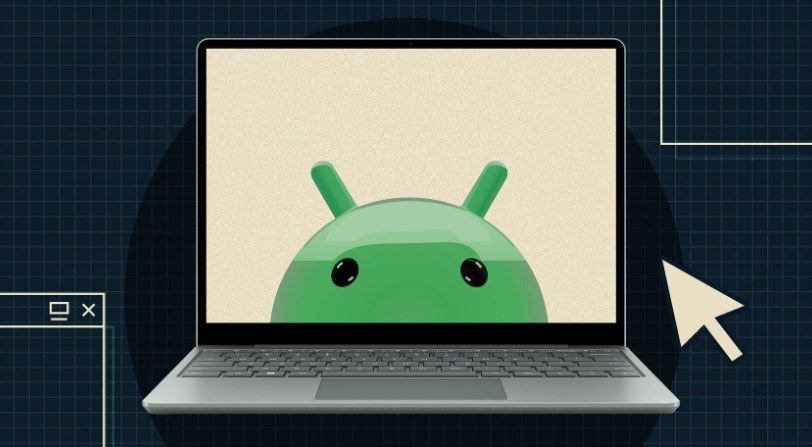
A Googlebook could potentially become that package. For example, an Android phone could automatically recognize a nearby Googlebook. Photos could become available without manually transferring files. A laptop might be able to access mobile applications more naturally. Calls and messages could appear on the larger display. AI features could potentially work across both devices. The goal would not necessarily be to make the laptop replace the phone. Instead, the two devices would complement each other.
A Laptop Built Around AI
Artificial intelligence could be another major reason for Google to rethink its laptop strategy. Google has invested heavily in Gemini, its family of AI models and services. Android phones are increasingly becoming AI-powered devices, while computers provide a larger screen, keyboard, and more processing resources for serious work. A future Googlebook could combine those strengths.
Picture researching a topic on your phone during a commute. Later, when you open your laptop, the information you’ve been working with could be available in context. You could ask Gemini to summarize documents, organize notes, draft an email, analyze a spreadsheet, or help research a project.
The important part would be continuity. Instead of treating the smartphone and laptop as two completely separate computers, Google could make them feel like different windows into the same personal computing environment. That could become increasingly valuable as AI assistants become more capable.
What Would Make It Different From a Chromebook?
This is where expectations should be kept realistic. A “Googlebook” doesn’t necessarily mean Google is abandoning ChromeOS or creating a completely new laptop operating system. It could instead represent a new direction for Google’s existing laptop ecosystem. Chromebooks have evolved considerably since their early days. They can run Android applications, support Linux environments, integrate with Android phones, and handle many tasks that once required traditional Windows PCs.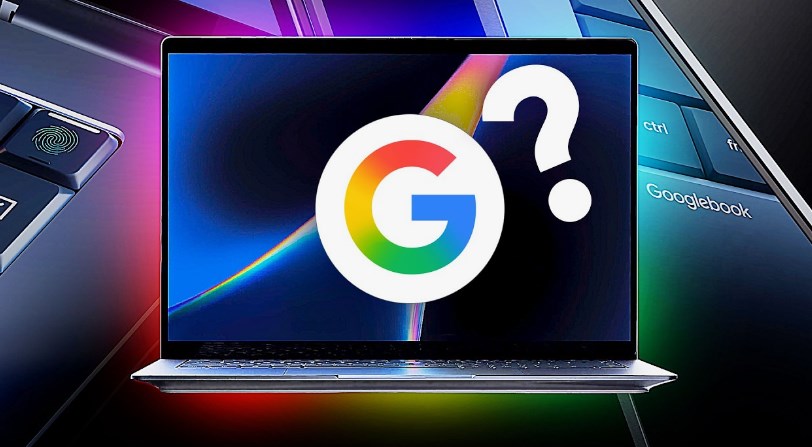
The difference could be in Google’s priorities. A conventional Chromebook is largely built around the web. A more Android-centric Googlebook could put the user’s phone identity, applications, files, communications, and AI tools at the center of the experience. That distinction could become particularly important as the traditional boundary between mobile and desktop software continues to disappear.
The Hardware Question
Software integration is only half of the equation. Google would also need compelling hardware. If Google wants people to choose a Googlebook because they already own an Android phone, the laptop would need to offer more than a familiar logo.
Battery life would be crucial. So would a high-quality display, comfortable keyboard, reliable trackpad, fast performance, good speakers, and a thin design. Consumers increasingly expect laptops to last through an entire working day without constantly searching for a charger.
Price would matter just as much. Chromebooks became popular partly because they offered affordable computing. If Google moves toward premium hardware, it would need to balance that ambition against the value proposition of existing Windows laptops, Chromebooks, and Apple’s MacBooks.
There could also be room for several models. An affordable Googlebook could target students and everyday users, while a more powerful version could appeal to professionals who want a lightweight computer deeply connected to their Android phones. Got an Android Phone
The Bigger Picture
The most interesting part of the Googlebook idea isn’t really the name. It’s the possibility that Google is thinking about computing as an ecosystem rather than as individual devices. The smartphone has become the personal hub for many people. The laptop remains better for writing, studying, editing, programming, managing files, and completing serious work. Connecting those experiences more intelligently makes sense.
Google already has Android, Chrome, ChromeOS, Gemini, Google Photos, Drive, Gmail, YouTube, and a massive collection of cloud services. Bringing those pieces together more tightly could give the company a powerful foundation for a new kind of laptop. Of course, consumers should distinguish between confirmed products and early reports, concepts, or internal plans. A “Googlebook” name does not necessarily mean a specific retail product is guaranteed to arrive. Still, the direction makes sense.
If your Android phone already contains your digital life, the idea of a laptop designed specifically to understand and complement that phone is fairly logical. The next generation of personal computers may not be defined simply by processor speed or screen size. Instead, the most valuable feature could be how effortlessly the computer works with everything else you already use. And if Google can make that experience simple enough, an Android phone might eventually do more than suggest which Google services you should use. It could also become the reason you choose your next laptop. Got an Android Phone
About the Author