Germany aims for 40% stake in defence company
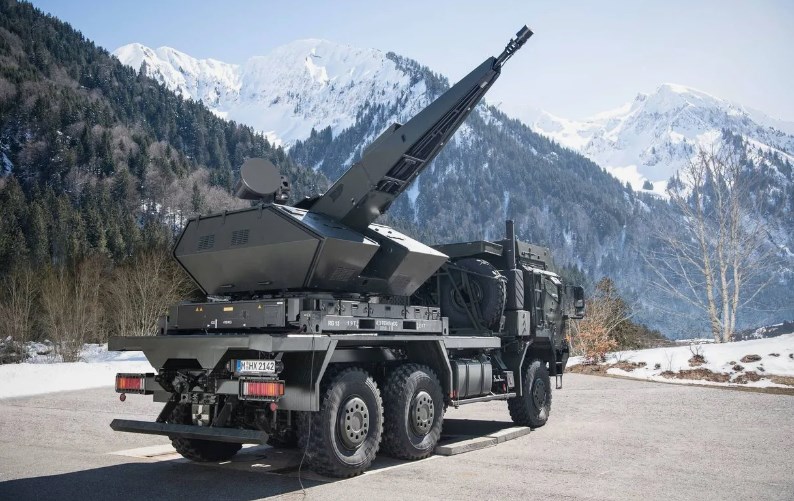
Germany aims for 40% stake in defence company – Germany’s push to secure a 40% stake in a major defence company marks another sign that Europe’s largest economy is rapidly reshaping its approach to security, military production, and industrial independence. What once would have seemed politically difficult in Berlin is now increasingly viewed as necessary in a world shaped by war in Europe, rising geopolitical tensions, and uncertainty over long-term global alliances.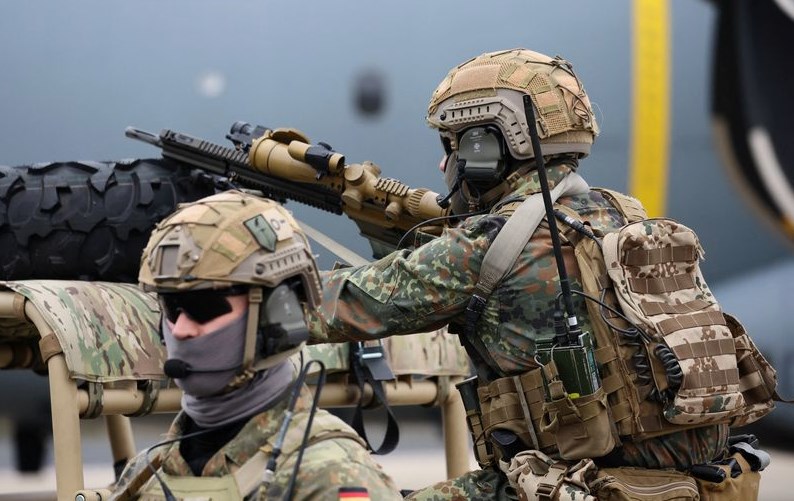
The proposed move reflects a broader transformation happening across Germany and much of Europe. Governments that previously relied heavily on private industry and international partnerships for defence production are now seeking greater control over strategic assets. By taking a substantial ownership position in a defence company, Germany is signaling that national security is no longer viewed solely through military spending, but also through industrial influence and supply chain control.
For decades, Germany maintained a cautious relationship with military expansion because of its post-World War II political culture. Defence spending was often restrained, and public debates around military investments were sensitive topics. But the geopolitical landscape changed dramatically after Russia’s invasion of Ukraine. Since then, Germany has accelerated defence reforms, boosted military budgets, and increased pressure on domestic companies to strengthen Europe’s defence capabilities.
The plan to acquire a 40% stake is being interpreted as part of that larger strategic shift. Officials and analysts believe that securing such a significant share would allow the German government to protect critical defence technologies, stabilize production capacity, and ensure that important military equipment can be manufactured domestically when needed. It would also help Berlin reduce dependence on external suppliers during times of crisis.
The defence sector has become increasingly important in Europe over the past few years. Countries across the continent are rebuilding military stockpiles that were depleted by aid shipments to Ukraine. At the same time, NATO members are facing pressure to modernize ageing equipment and increase readiness. This has led to soaring demand for ammunition, armored vehicles, missile systems, air defence technology, and advanced electronics.
German defence firms have found themselves at the center of this growing demand. Companies that once faced uncertain futures are now seeing record order books and expanding production lines. Investors have also poured money into the sector, pushing valuations sharply higher. Yet governments remain worried about leaving such strategically important industries entirely in private hands.
A 40% stake would give Germany substantial influence without necessarily requiring a full nationalization. That balance matters politically. Berlin wants to support defence manufacturing while still maintaining a market-oriented economy. By stopping short of outright state ownership, the government can argue that it is preserving corporate flexibility while ensuring national interests are protected.
The move also highlights concerns about foreign takeovers. European governments have become more cautious about overseas investors acquiring sensitive technology firms, especially in sectors linked to defence, cybersecurity, aerospace, and artificial intelligence. German policymakers fear that strategic assets could eventually fall under foreign control if governments fail to act early.
This concern is not unique to Germany. Across Europe, states are becoming more active participants in industries once dominated by private capital. France has long maintained influence over key defence companies. Italy and Spain have also used state-backed structures to protect strategic industries. Germany, historically more hesitant, now appears willing to adopt a similar approach.
Industry experts say the government’s involvement could provide long-term stability for defence manufacturers. Military contracts often stretch over decades and require enormous upfront investments. Companies need confidence that political support will remain steady even during economic downturns or shifts in public opinion.
A state stake can provide that reassurance. At the same time, critics warn that greater government involvement could create inefficiencies or political interference. Some economists argue that defence companies function best when driven by competition and innovation rather than state influence. Others fear that politicians may use industrial policy for short-term political gains instead of long-term strategic planning. Germany aims for 40% stake in defence company
There are also concerns about how taxpayers’ money would be used. Acquiring a 40% stake in a major defence company would likely require billions of euros, especially given the strong market performance of defence stocks in recent years. Critics may question whether such investments are the best use of public funds during a period when Germany also faces challenges involving energy prices, infrastructure modernization, and economic slowdown.
Still, supporters argue that defence readiness can no longer be separated from economic security. The war in Ukraine exposed vulnerabilities across Europe’s military supply chains. Ammunition shortages, production delays, and dependence on foreign suppliers revealed how unprepared many nations were for prolonged conflict scenarios. Germany, despite being Europe’s biggest economy, faced criticism for years over insufficient military preparedness.
The government now appears determined to avoid repeating those mistakes. A stronger state role could help speed up manufacturing capacity, encourage research into advanced defence technologies, and improve coordination between industry and military planners. It could also position Germany as a leading force in Europe’s growing defence ecosystem.
Another major factor behind the move is the changing relationship between Europe and the United States. While Washington remains NATO’s dominant military power, European leaders increasingly recognize the need for greater strategic autonomy. Political uncertainty in the US, including debates over future foreign policy commitments, has pushed European governments to strengthen their own defence capabilities.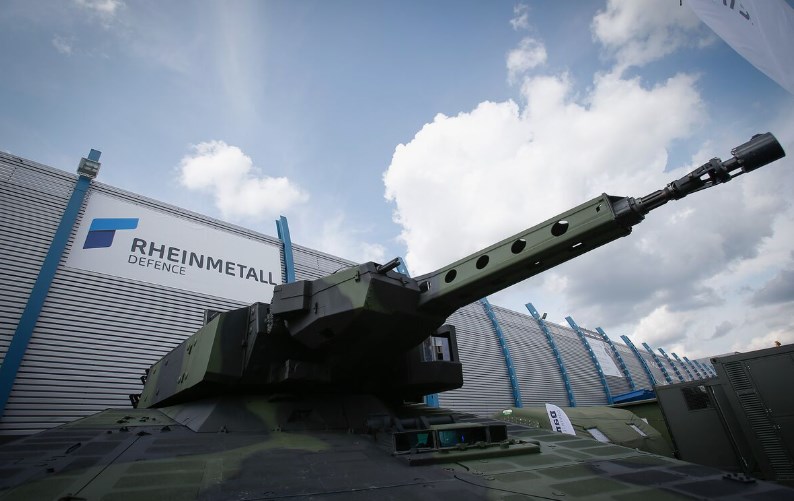
Germany’s investment could therefore be viewed not only as a national policy but also as part of Europe’s broader push for self-reliance. The defence industry itself is undergoing rapid transformation. Modern warfare now depends heavily on drones, cyber capabilities, satellite systems, artificial intelligence, and electronic warfare. Governments want to ensure that critical innovation stays within trusted networks and aligned national interests. Germany aims for 40% stake in defence company
By taking a major stake in a defence company, Germany could gain more direct influence over research priorities and technological development. This would allow closer coordination between military needs and industrial planning, especially in emerging sectors where technological superiority may determine future security outcomes.
Financial markets are closely watching the situation. Investors generally see government backing as a sign of stability, particularly in industries tied to national security. Defence stocks across Europe have surged in recent years as military spending rises. A government investment could further strengthen confidence in Germany’s long-term commitment to the sector.
However, the political debate inside Germany is likely to remain intense. Germany’s identity after World War II was shaped by caution toward militarization. Even today, many citizens remain uncomfortable with aggressive defence expansion. Any large government investment in military industries is likely to face scrutiny from opposition parties, activists, and parts of the public.
Yet public opinion has also shifted significantly since the Ukraine war began. Security concerns are now more prominent, and many Germans increasingly accept that stronger defence capabilities are necessary in a more dangerous world. That changing mindset may give the government the political room needed to pursue ambitious defence policies that would have been difficult just a few years ago. Germany aims for 40% stake in defence company
Ultimately, Germany’s aim to secure a 40% stake in a defence company reflects more than a financial transaction. It represents a deeper transformation in how the country views security, sovereignty, and industrial power. Berlin is no longer treating defence production as a distant or secondary issue. Instead, it is becoming a central pillar of national strategy. As Europe enters a period of growing geopolitical uncertainty, Germany’s actions could reshape not only its own defence industry but also the future balance of power within Europe’s military and economic landscape.
About the Author