As the future of the ceasefire remains uncertain, the United States and Iran double down.
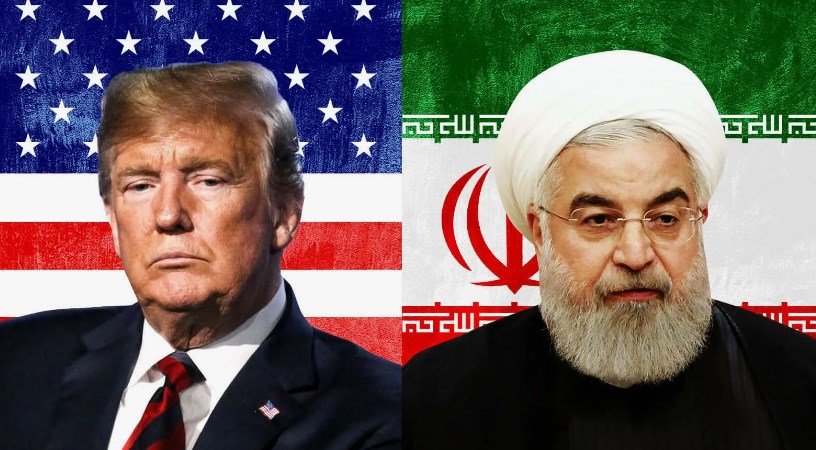
As the future of the ceasefire remains uncertain, the United States and Iran double down – The future of the fragile ceasefire between the United States and Iran remains deeply uncertain, with both nations hardening their positions even as diplomats continue searching for a path away from another dangerous escalation. What was once presented as a temporary pause in hostilities is now increasingly viewed as a tense standoff, one that could either lead to renewed conflict or force both sides back into serious negotiations.
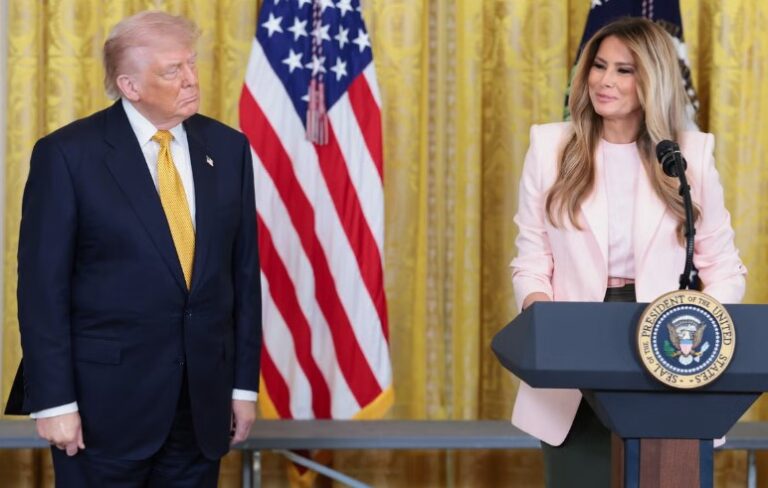
Recent developments have shown just how unstable the situation has become. President Donald Trump described the ceasefire as being “on life support” after rejecting Iran’s latest response to a U.S. proposal aimed at ending the crisis. Iranian officials, meanwhile, accused Washington of sending mixed signals and acting in bad faith, further eroding trust between the two longtime adversaries. As the future of the ceasefire remains uncertain
At the center of the dispute is far more than just military tension. The negotiations involve nuclear restrictions, sanctions relief, control of regional waterways, and the broader balance of power in the Middle East. Despite months of diplomatic contacts, neither side appears willing to compromise on the issues they consider essential to national security and political survival.
The ceasefire itself emerged after weeks of intense conflict that shook the region and rattled global markets. The fighting disrupted shipping through the Strait of Hormuz, one of the world’s most critical oil transit routes, sparking fears of a wider economic crisis. Although the truce temporarily reduced direct military action, it failed to resolve the deeper disagreements fueling the confrontation.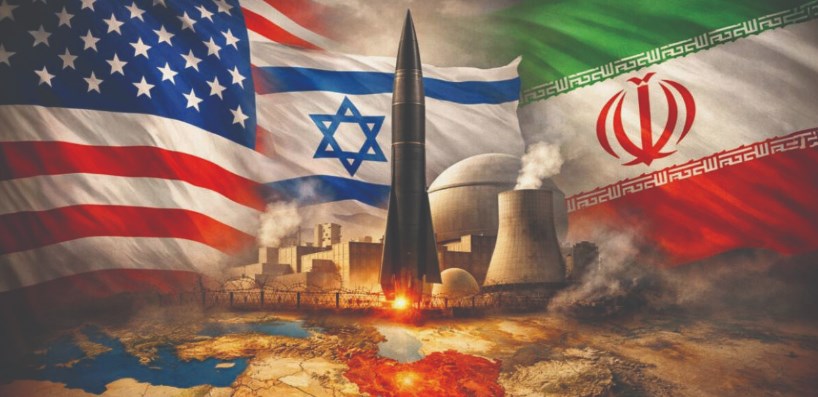
For the United States, the main objective remains preventing Iran from advancing toward nuclear weapons capability. Washington has pushed for strict limits on uranium enrichment, inspections of Iranian nuclear facilities, and broader restrictions on Tehran’s missile program and regional influence. American officials argue that without these guarantees, any ceasefire would simply give Iran time to regroup and strengthen its position.
Iran, however, sees the demands as excessive and humiliating. Tehran insists it has the right to maintain a civilian nuclear program and refuses to negotiate under pressure. Iranian leaders have repeatedly demanded sweeping sanctions relief, compensation for damages caused during the conflict, and recognition of their authority in regional security matters. They also continue to insist that any long-term agreement must respect Iran’s sovereignty and strategic interests. As the future of the ceasefire remains uncertain
The lack of trust between the two governments has become one of the biggest obstacles to progress. Iranian Foreign Minister Abbas Araghchi recently said the negotiations are being undermined by conflicting messages coming from Washington. According to Iranian officials, public threats from the White House make diplomacy nearly impossible, especially when paired with military pressure and economic sanctions. On the American side, frustration is also growing. Trump has continued using aggressive rhetoric, warning that the United States will not accept what he calls a weak or incomplete deal. Analysts say the administration believes maintaining maximum pressure is the only way to force Tehran into concessions. Yet critics argue the strategy may instead be pushing Iran toward a more confrontational stance.
One of the most explosive flashpoints remains the Strait of Hormuz. Iran has sought greater control over shipping through the strategic waterway, even discussing possible tolls and new regulatory measures in coordination with regional partners. Western governments strongly oppose such plans, arguing that freedom of navigation through the strait is vital for global trade and energy security. The uncertainty surrounding Hormuz has already affected oil markets and investor confidence. Even temporary disruptions in the region can send energy prices soaring, creating ripple effects across the global economy. Financial markets have reacted nervously to every headline related to the ceasefire, reflecting widespread fears that the conflict could quickly reignite.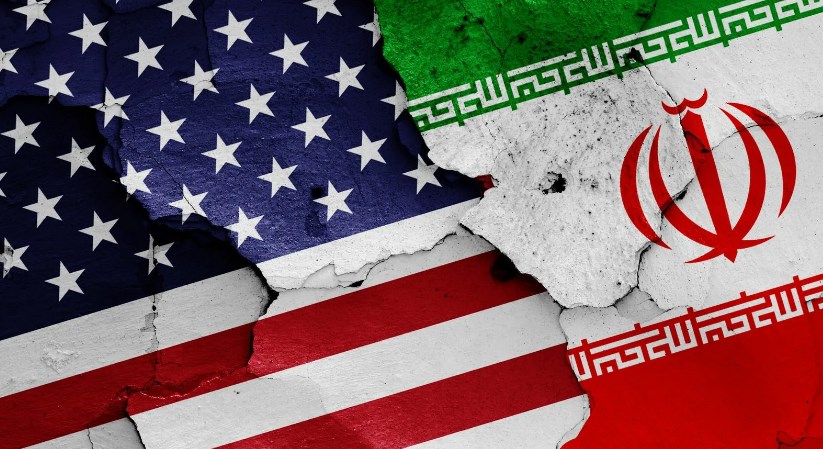
Meanwhile, regional tensions continue to complicate diplomatic efforts. Fighting involving Israel, Hezbollah, and Lebanon has added another layer of instability. Although Israel and Lebanon recently agreed to extend their own ceasefire by 45 days following U.S.-brokered talks, sporadic violence continues, underscoring how fragile the broader regional situation remains. International mediators are now working urgently to prevent a complete collapse of negotiations. Countries such as Pakistan, Oman, and China have all been mentioned as potential facilitators, though their influence remains limited. Oman in particular has found itself in a delicate position as tensions over Hormuz place the Gulf nation between Iran and Western powers. As the future of the ceasefire remains uncertain
Despite the ongoing hostility, both Washington and Tehran appear reluctant to return immediately to full-scale war. Military escalation would carry enormous risks, not only for the region but for the global economy and international security. Analysts note that while both governments continue projecting strength publicly, there are signs neither side truly wants an uncontrolled conflict. Still, diplomacy remains extremely fragile. The United States continues to insist on stronger security guarantees, while Iran refuses to appear weak in the face of external pressure. Political considerations inside both countries also make compromise difficult. In Washington, Trump faces pressure to project toughness, while Iranian leaders must avoid appearing to surrender to American demands.
Experts warn that the current situation could remain unresolved for months. Instead of a decisive breakthrough, the world may see a prolonged period of tense negotiations, limited military actions, economic pressure, and regional instability. That uncertainty itself has become a major concern for governments, businesses, and ordinary citizens across the globe. For now, the ceasefire survives — but barely. Each new statement from Washington or Tehran seems capable of pushing the situation closer either to renewed diplomacy or another dangerous confrontation. As both sides continue doubling down on their demands, the path toward a lasting agreement appears increasingly narrow. As the future of the ceasefire remains uncertain
About the Author